Inside Kourou: how a satellite is readied to watch Europe's skies and prevent natural disasters
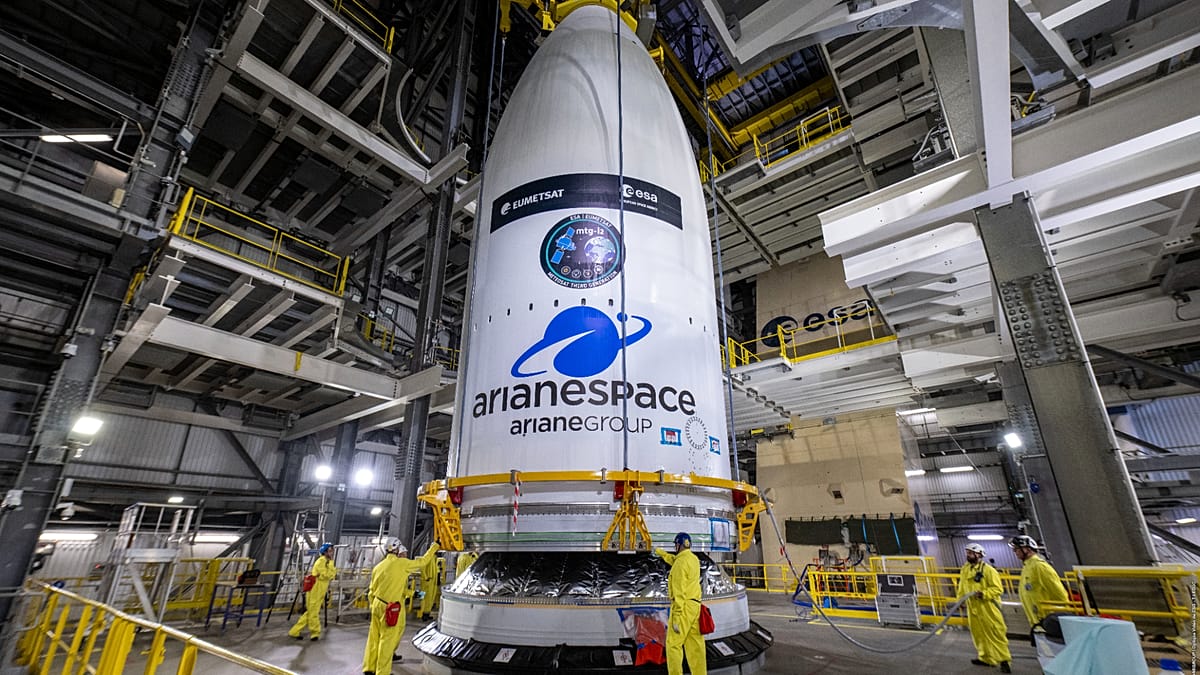
Europe’s new weather satellite reached orbit aboard an Ariane 6 rocket this month, marking a major step forward for the continent’s space programme and disaster-prevention capabilities. The flight was executed from Europe’s Spaceport in Kourou, French Guiana, where teams from ArianeGroup, Arianespace, CNES, Eumetsat, ESA and Thales Alenia Space completed final preparations. The satellite, MTG-I2, is designed to map Earth’s surface in near real time, helping European agencies detect floods, wildfires and other hazards faster than ever before.
The launch campaign began with the arrival of Ariane 6’s core and upper stages in Kourou aboard Canopée, a purpose-built cargo vessel fitted with large sails to reduce fuel consumption during the transatlantic crossing. The rocket’s two solid-fuel boosters were manufactured locally at the Regulus and Europropulsion plants, streamlining assembly once all components reached the launch site. According to engineers, this split manufacturing process allows each stage to arrive in Guiana fully tested, cutting on-site work to just seven to nine days.
Ariane 6’s assembly takes place horizontally in a dedicated facility at the spaceport. Guided vehicles position the core and upper stages with millimetre-level precision before technicians join them. The facility operates two parallel assembly lines, enabling teams to begin work on the next rocket as soon as the previous one leaves for the pad. Programme officials aim to reach nine to ten launches per year by 2027, a significant increase in cadence compared with Ariane 5.
The satellite integration process was especially sensitive. MTG-I2, an advanced meteorological observation instrument, requires an ultra-clean environment to protect its optical systems from contamination. The encapsulation building in Kourou uses filtered air, temperature control and even light traps to prevent insects or birds from entering during night-time transfers. Technicians must also ensure the satellite remains contamination-free once sealed inside the rocket’s fairing.
Final countdown operations shifted to the Júpiter control room at CNES headquarters in Kourou, where launch operations director Maxime André coordinated safety, telemetry and tracking systems. Teams monitored the satellite’s control centre four kilometres away, confirming each system remained nominal up to the final minutes. Weather monitoring remained critical, with meteorologist François Laforge and flight safety engineer Leonard Bouchaillot tracking lightning and wind conditions within a ten-kilometre radius of the launch complex. French space law requires strict weather criteria: no thunderstorms within the zone and no high-altitude clouds that could trigger static electricity and lightning.
Ariane 6’s upper stage, powered by the Vinci engine, can reignite in flight thanks to a helium pressurisation system. This capability, absent in Ariane 5, allows more flexible orbital insertions and was demonstrated during the MTG-I2 mission, which targeted a geostationary transfer orbit 36,000 kilometres above Earth. The flight also featured a two-hour, thirty-minute launch window—a first for Ariane 6—providing additional flexibility in case of minor technical issues.
With a total investment of around €6 billion, the MTG-I2 mission underscores Europe’s commitment to independent Earth observation and disaster resilience. The satellite will join a growing constellation designed to deliver faster, more accurate data to civil protection agencies across the continent, supporting early warnings for floods, wildfires and other natural hazards.
#Ariane6 #MTGI2 #Kourou #Spaceport #Arianespace #CNES #Eumetsat #DisasterPrevention
Comments (0)
No comments yet — be the first to weigh in.

Man Arrested in Kells Hit‑and‑Run That Killed Cyclist TJ McDonnell
A 30‑year‑old man was arrested in Kells, Co. Meath, after a van hit cyclist TJ McDonnell during training, killing him. Investigation continues.

‘It was very upsetting’: India Day returns a year after being cancelled due to attacks
India Day celebration returns to Trim Castle a year after cancellation due to rising attacks Trim Castle in County Meath hosted the annual India Day festival on...
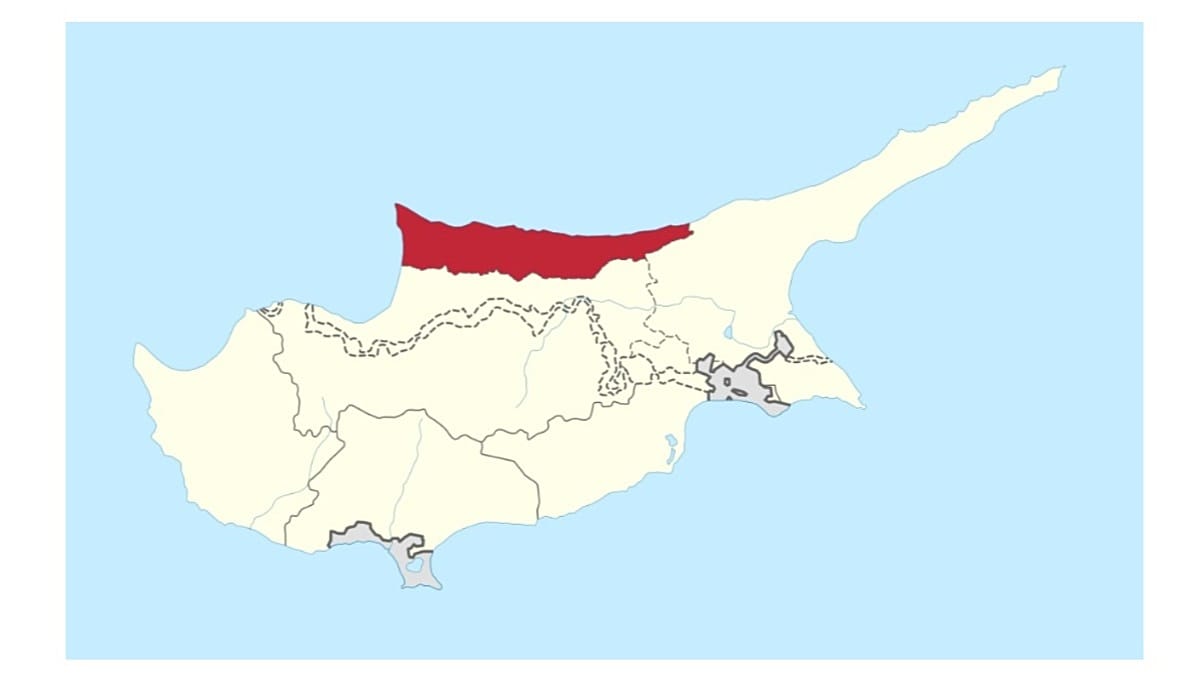
Seven dead after passenger ship carrying 267 people sinks off coast of northern Cyprus
A cargo vessel carrying 267 people sank off the northern coast of Cyprus on Saturday, resulting in at least seven fatalities and leaving seventeen individuals s...
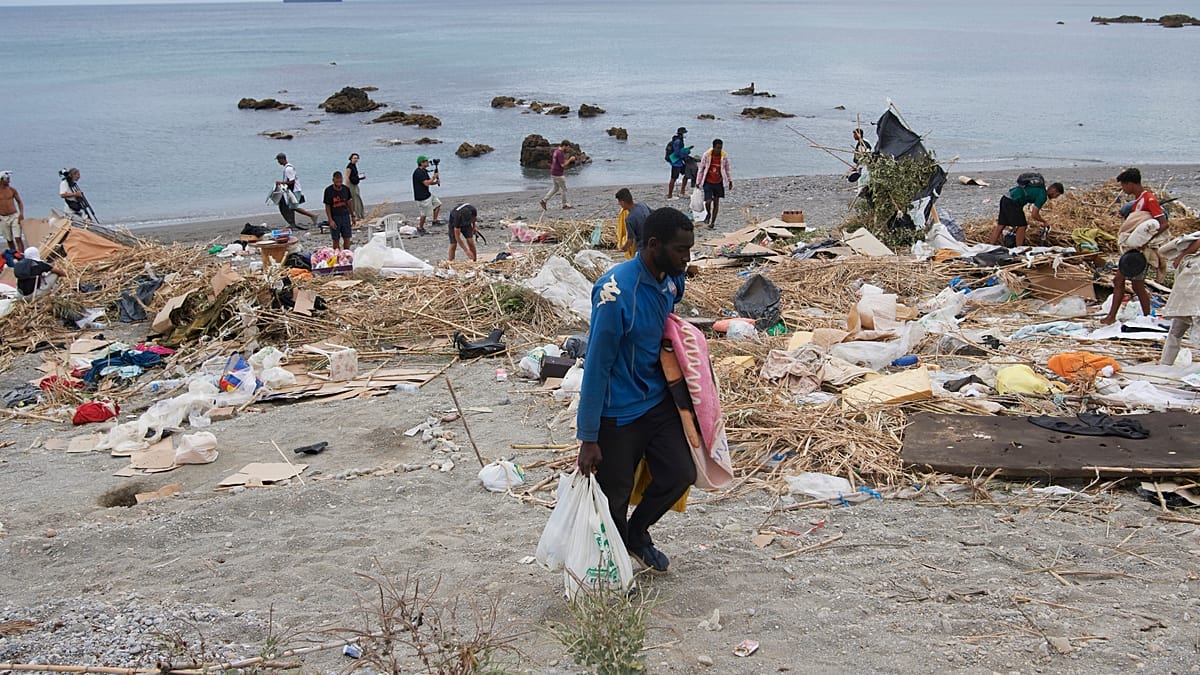
Spain Unveils €165 Million Emergency Package for Ceuta Amid Ongoing Migrant Crisis
Spain’s Council of Ministers will approve a €165 million emergency package for Ceuta, adding to a €180 million recovery plan to boost the local economy and public services amid a migrant influx.

Galatasaray sign Rafael Leao from AC Milan for €38m in record deal

Terrorists in J&K using porn sites, encrypted apps for recruitment: Report
Global rare earth supply chains: Why securing essential minerals is critical

Free School Uniform Swap Shop Saves Welsh Families £50m Annually