Bangladesh President Vows Zero Tolerance for Enforced Disappearances
President Mirza Fakhrul Islam Alamgir declares no more 'Aynaghar' as he demands justice for victims of enforced disappearances and calls for accountability under the law.
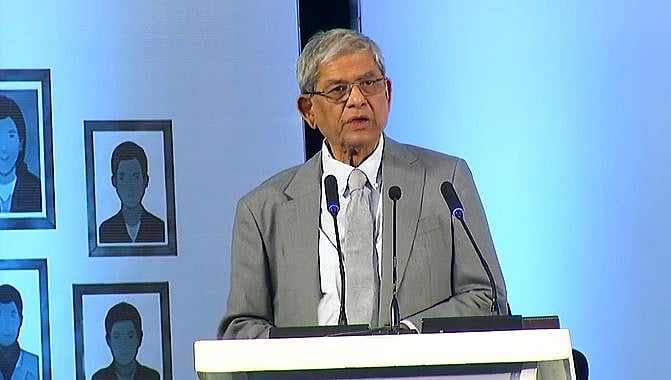
President Mirza Fakhrul Islam Alamgir of Bangladesh has declared that no further enforced disappearances will be tolerated in the country, vowing that those responsible for such crimes must face justice regardless of their influence. Speaking at an event commemorating the International Day of the Victims of Enforced Disappearances on Sunday, he emphasized the need to end impunity for perpetrators and ensure accountability under the law.
The president’s remarks came during a program organized by the Ministry of Liberation War Affairs at the Bangladesh-China Friendship Conference Centre in Dhaka. He described enforced disappearances as a dark chapter in Bangladesh’s national history, particularly during the past decade and a half under what he termed a fascist government. "Those who protested injustice, demanded democratic rights, or voiced dissent were abducted, subjected to enforced disappearances, and even killed," he stated. The president accused state institutions of denying these crimes despite overwhelming evidence.
Mirza Fakhrul noted that the mass uprising led by students and citizens ultimately forced the former ruler to flee the country. He called for reparative measures rather than revenge, stressing that the real perpetrators must be held legally accountable. "The state’s duty does not end with punishing criminals," he said, urging the government to support victims and their families through dignity, social security, healthcare, education, livelihood, and rehabilitation.
The president condemned enforced disappearances as a severe violation of human rights, undermining constitutional guarantees of life, liberty, and legal protection. He highlighted the far-reaching consequences of such acts, which not only strip individuals of their freedom but also destroy the peace, dreams, and well-being of their families. "It is a heinous crime against humanity," he asserted.
Mirza Fakhrul referenced several high-profile cases of enforced disappearances during the fascist regime, including those of Ilias Ali, Chowdhury Alam, Sajedul Islam, Home Minister Salahuddin Ahmed, Barrister Arman, and retired Lieutenant General Azmi. He also mentioned that countless dissidents, journalists, social workers, and ordinary citizens fell victim to such abuses. Former Prime Minister Begum Khaleda Zia was acknowledged for her vocal opposition to these crimes.
The event was attended by key government figures, including Liberation War Affairs Minister Ahmed Aazam Khan, Home Minister Salahuddin Ahmed, Law Minister Md. Asaduzzaman, and State Minister Ishraque Hossain. Victims of enforced disappearances, including lawmakers Humam Quader Chowdhury, Anisur Rahman, Tahsina Rushdir, Sanjida Islam, and Mir Ahmad Bin Quasem, also spoke, demanding fair trials for these cases.
Mirza Fakhrul concluded by outlining his vision for Bangladesh—a nation where political differences exist without vengeance, where freedom of expression thrives without fear, and where justice prevails over injustice. He stressed that true national development is measured not just by economic growth but by the safety, dignity, and justice afforded to all citizens.
#EnforcedDisappearance #Bangladesh #HumanRights #JusticeForVictims #MirzaFakhrul #LiberationWarAffairs #SalahuddinAhmed #InternationalDayOfTheVictimsOfEnforcedDisappearances
Comments (0)
No comments yet — be the first to weigh in.

Congress Ministers Threaten Quit in Vijay Cabinet Over PM Candidate Standoff
Congress ministers in Tamil Nadu's Vijay-led cabinet threaten resignation if Rahul Gandhi isn't named PM candidate for 2029 elections.

UN CERD Urges India to Address Caste, Race Discrimination Concerns
UN CERD expresses grave concern over India's handling of discrimination against minorities, Dalits, and Rohingya refugees, citing lack of data and enforcement gaps.

India Urged to Adopt Treated Wastewater Reuse Policies for Water Security
India’s treated wastewater reuse policies in Uttar Pradesh and Uttarakhand highlight contextual policymaking to address water scarcity and sustainability challenges effectively.
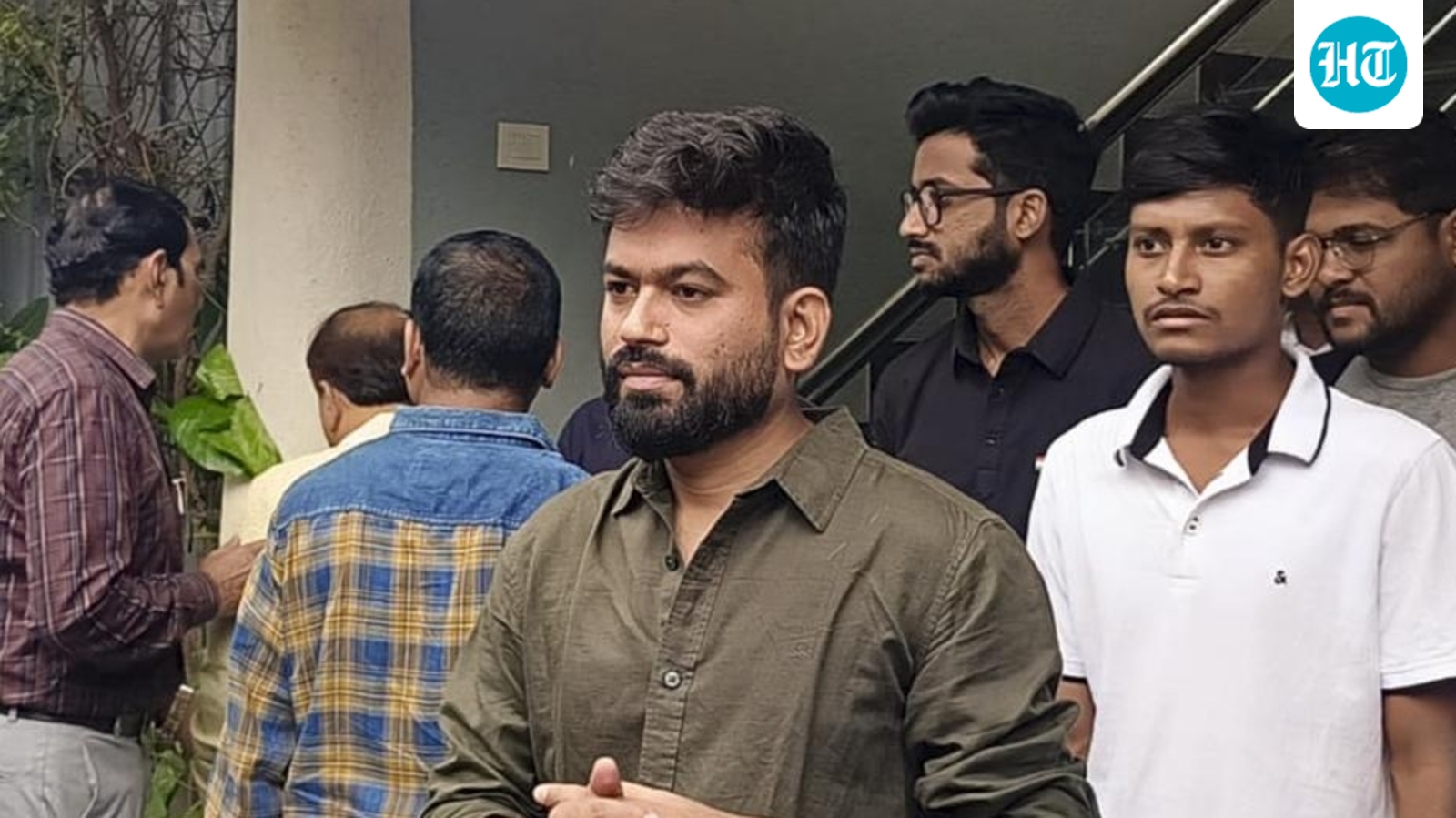
‘They should listen to Mohan Bhagwat’: CJP's Abhijeet Dipke says BJP in power because of RSS
Cockroach Janta Party (CJP) co-founder Abhijeet Dipke has urged the Bharatiya Janata Party (BJP) to heed the counsel of Rashtriya Swayamsevak Sangh (RSS) chief...
Congress Ministers Threaten Quit in Vijay Cabinet Over PM Candidate Standoff

Russia claims role in foiling Niger coup attempt amid rising Sahel tensions
UN CERD Urges India to Address Caste, Race Discrimination Concerns

England Crush Pakistan at Lord's: Player Ratings from 2nd Test