UK's weaker EV targets could cost consumers £3bn yearly by 2030, analysis warns
Analysis by Carbon Brief warns that weakening UK EV targets could cost consumers £3bn annually by 2030, increase emissions, and raise oil imports.
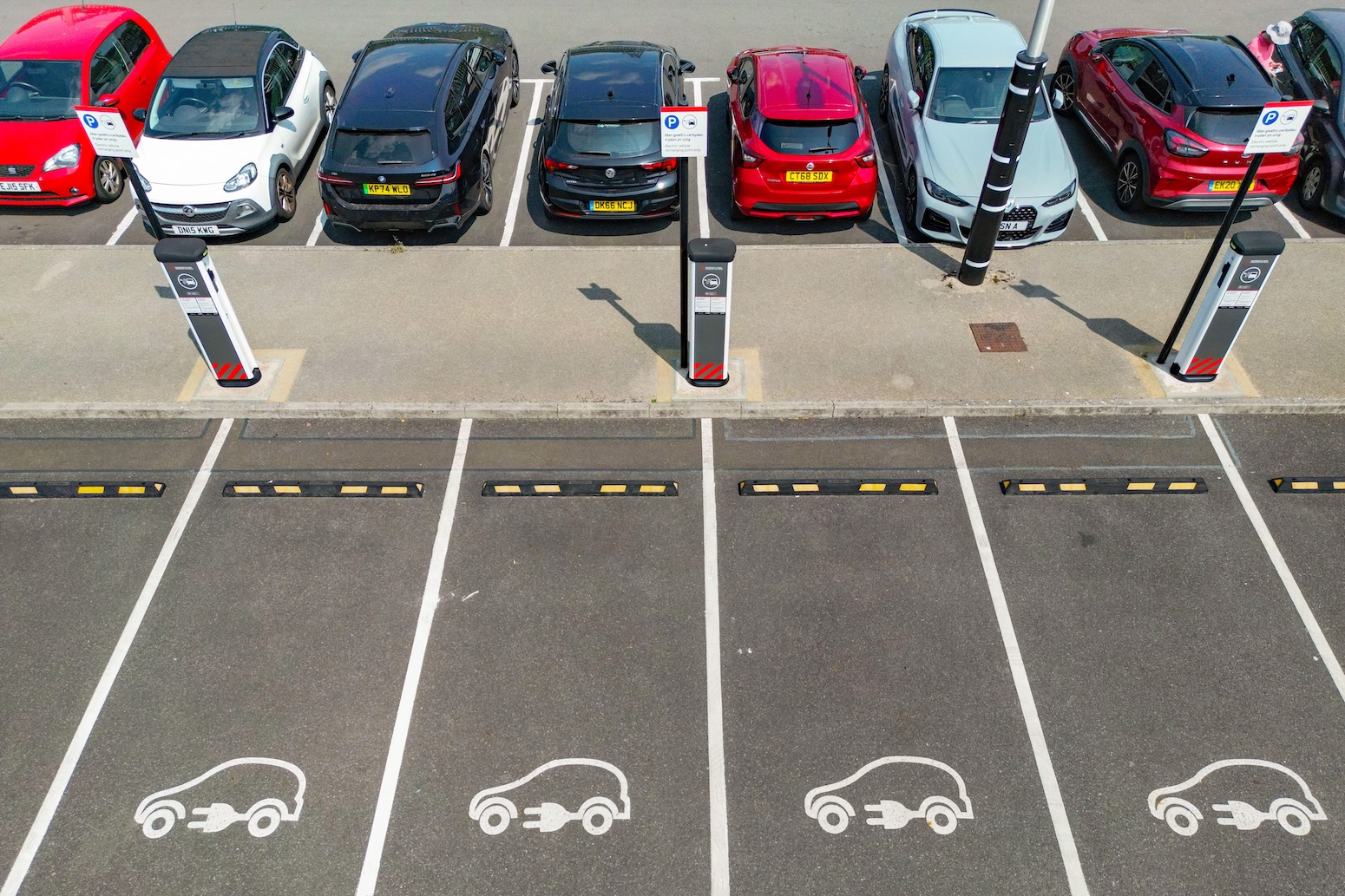
The UK government is considering weakening electric vehicle targets, which could cost consumers up to £3 billion annually by 2030, according to an analysis by Carbon Brief. The proposed changes to the Zero-Emission Vehicle (ZEV) mandate, introduced under the previous Conservative government, could also increase the UK’s oil imports and carbon emissions.
Under the current ZEV mandate, battery electric vehicles (BEVs) must account for 33% of new car sales in 2026, rising to 80% by 2030. However, reports suggest the new Labour government, led by Prime Minister Andy Burnham, may reduce the 2030 target to just 50%, with possible alternatives of 60% or 70%. A consultation on this proposal is reportedly under review by the prime minister’s office before its formal release.
If the mandate is weakened to 50% by 2030 and carmakers utilize more flexibilities, there could be up to 3 million fewer BEVs on UK roads by that year, according to Transport & Environment (T&E). Carbon Brief’s analysis indicates that BEVs are already cheaper to run than petrol cars, saving drivers around £1,100 per year in fuel costs. Overall, BEVs are more than £1,000 cheaper per year to own compared to petrol cars or plug-in hybrids (PHEVs), when factoring in purchase price, fuel costs, insurance, and proposed pay-per-mile charges.
A weaker ZEV mandate could result in an additional £3 billion in annual ownership costs for UK drivers by 2030. It could also put billions of pounds of committed investments at risk, including those in EV charging infrastructure and battery supply chains. Energy UK, an industry group, argues that the mandate is functioning as intended and remains the “single biggest driver of emissions reductions” in the government’s climate plans.
However, Carbon Brief’s analysis warns that a weaker ZEV mandate could lead to an extra 7.4 million tonnes of carbon dioxide emissions (MtCO2) in 2030, equivalent to a 2.5% increase in the UK’s national emissions that year. Additionally, the UK might need to import an extra 17 million barrels of oil in 2030, representing an 8% rise in projected net oil imports.
Energy UK emphasizes that shifting to EVs benefits all households by reducing energy bills through cost-of-ownership savings for EV drivers and spreading the costs of upgrading the electricity system. Meanwhile, the Society of Motor Manufacturers and Traders (SMMT) claims its members are spending billions on discounts and incentives to boost EV demand, asserting that natural demand is insufficient to meet current targets. These claims have been disputed.
#UK #ElectricVehicles #ZEVmandate #CarbonBrief #EnergyUK #ClimateChange #TransportPolicy
Comments (0)
No comments yet — be the first to weigh in.
Related Coverage
 Environment
China Faces Stalled PV Consolidation as Overcapacity Persists
China’s solar module sector struggles to trim excess capacity amid weak domestic demand and geopolitical pressures, with government measures yet to curb losses.
 Environment
Machine Learning Boosts Irradiance Prediction for Bifacial Solar Panels
Research from Selçuk University compares machine learning models to improve plane-of-array irradiance predictions for bifacial photovoltaic systems using NREL field data.
 Environment
Europe’s solar resource surplus continues before late-August cloud shift
Europe’s solar resource surplus persisted across much of the continent in August 2026, with global horizontal irradiance averaging 5% above the 2007–2025 norm,...
 Environment
Canada's Solar Energy Growth: Provinces Chart Diverse Paths to 2035 Goals
Canada's solar sector shows uneven growth across provinces, with incentives in Quebec and Ontario driving expansion, while others reconsider net metering policies amid US trade uncertainties.
Most Read

Hull City's Perfect Premier League Start: Two Wins in Two Games, Historic Feat

Central Banks Risk Recession with Misguided September Rate Hikes


Aston Villa close to £65m deal for Chelsea striker Nicolas Jackson
