China Faces Stalled PV Consolidation as Overcapacity Persists
China’s solar module sector struggles to trim excess capacity amid weak domestic demand and geopolitical pressures, with government measures yet to curb losses.
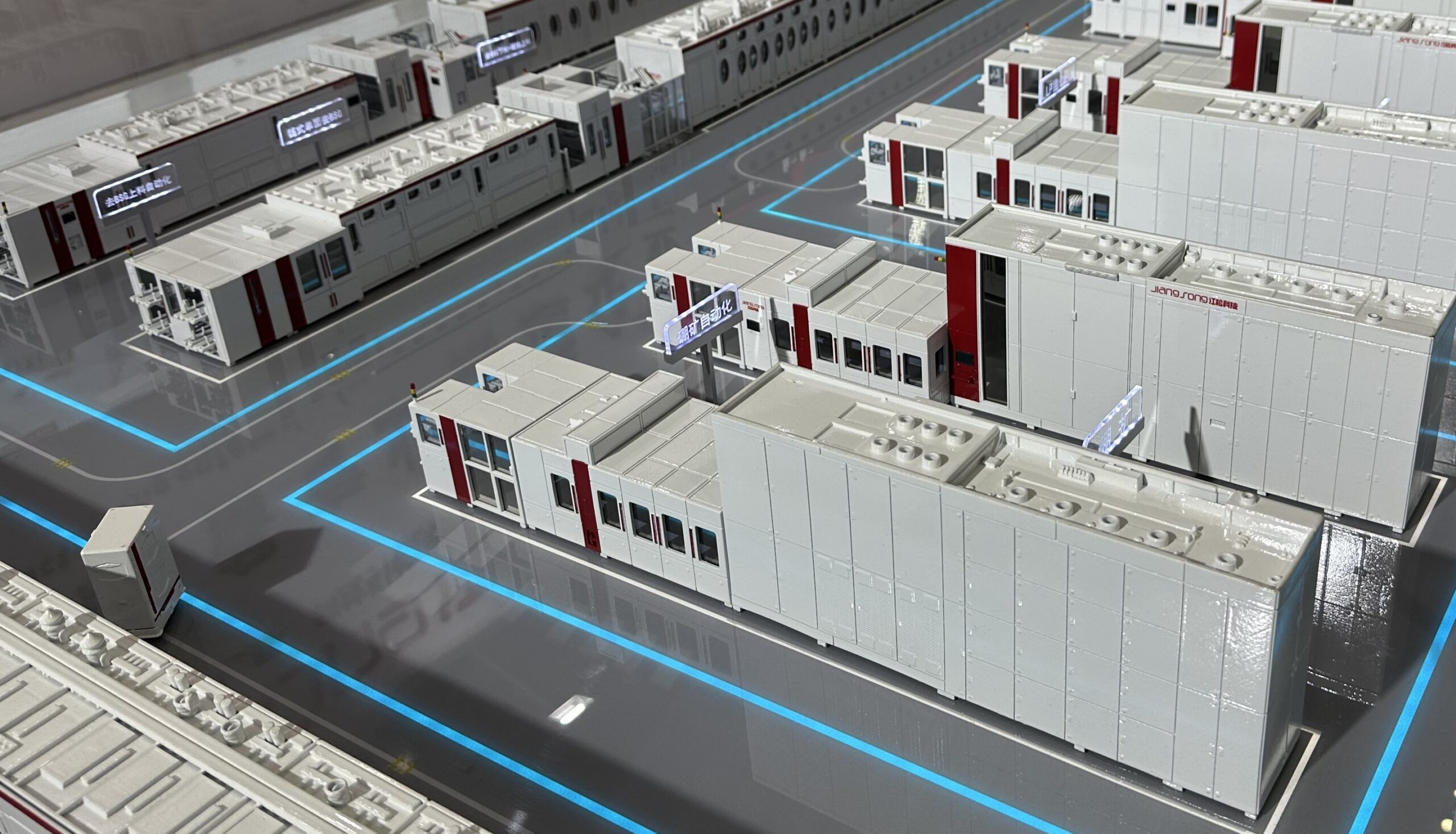
China is struggling to consolidate its photovoltaic (PV) solar manufacturing sector amid persistent overcapacity, despite government efforts to streamline the industry. The country’s solar sector, dominated by private firms, faces unique challenges compared to traditional industries like steel and cement, where state-owned enterprises historically led restructuring. Analysts say technological innovation, fragmented market dynamics, and geopolitical pressures are complicating efforts to reduce excess production capacity.
One key difference between solar PV and older industries is ownership structure. Unlike sectors such as steel or aluminum—where state-owned enterprises were easier to coordinate—China’s PV industry is largely in private hands. This makes policy enforcement more difficult, as individual companies often prioritize expansion over collective restraint, even when they acknowledge the need to curb overinvestment. “There is broad agreement that there is a problem,” noted Alexander Brown, an industry analyst. “But companies still have incentives to expand. Their actions therefore often do not follow their words.”
Technological obsolescence cycles also play a role. While industries like cement and glass rely on mature, slow-changing technologies, solar manufacturers upgrade equipment every two to three years. This rapid pace drives continuous investment in new capacity, even as global demand struggles to keep up. China’s solar production capacity has far outpaced global consumption, yet strong export growth—particularly to Europe, Southeast Asia, and the United States—has helped sustain profitability for top producers. Between 2019 and 2023, China’s leading solar module manufacturers maintained average profit margins of 8 to 12 percent, according to industry data.
Geopolitics has added another layer of complexity. Trade barriers imposed by the U.S., Europe, and India have prompted some Chinese firms to relocate production to Southeast Asia to maintain market access. However, analysts say these measures have not significantly disrupted China’s solar export growth. “China has continued to increase solar module exports in recent years,” Brown said. Still, if more countries tighten trade restrictions, the pressure on China’s solar sector could intensify, especially as domestic demand growth slows.
The current oversupply crisis became evident in 2023 and worsened by early 2024. Despite government interventions—including stricter investment rules, energy consumption standards, and pricing policies—excess capacity remains widespread. Unlike previous consolidation efforts in industries like steel, where capacity was gradually removed over time, solar’s fragmented structure and commoditized products make permanent exits less likely. Older, outdated solar modules can still be sold at low prices, keeping unprofitable capacity in the market.
Profitability among China’s top five solar manufacturers plummeted to an aggregate loss of 11 percent in 2024, with further declines expected in 2025. Analysts warn that unless companies or policymakers take coordinated action, the industry’s financial strain will intensify. Some sectors, like wind energy, have successfully implemented joint measures to stabilize prices and avoid cutthroat competition. Similar cooperation in solar has yet to materialize, but pressure is mounting.
Major solar firms have avoided insolvency thanks to diversification, government support, and revenue from across the supply chain. Local governments, eager to preserve jobs and tax revenue, provide subsidies, loans, and other incentives to keep key players afloat. While large-scale failures seem unlikely, prolonged losses could force structural changes in the industry.
Despite repeated policy measures since 2024—including tighter investment oversight and pricing controls—excess capacity persists. Analysts suggest that while individual policies may not have worked immediately, their cumulative effect could eventually reshape the sector. Still, the road to consolidation remains uncertain in one of China’s most globally competitive industries.
#ChinaSolarIndustry #PVOvercapacity #RenewableEnergy #SolarManufacturing #SolarExports #GreenIndustrialPolicy #SolarTech
#ChinaSolar
Comments (0)
No comments yet — be the first to weigh in.
Related Coverage
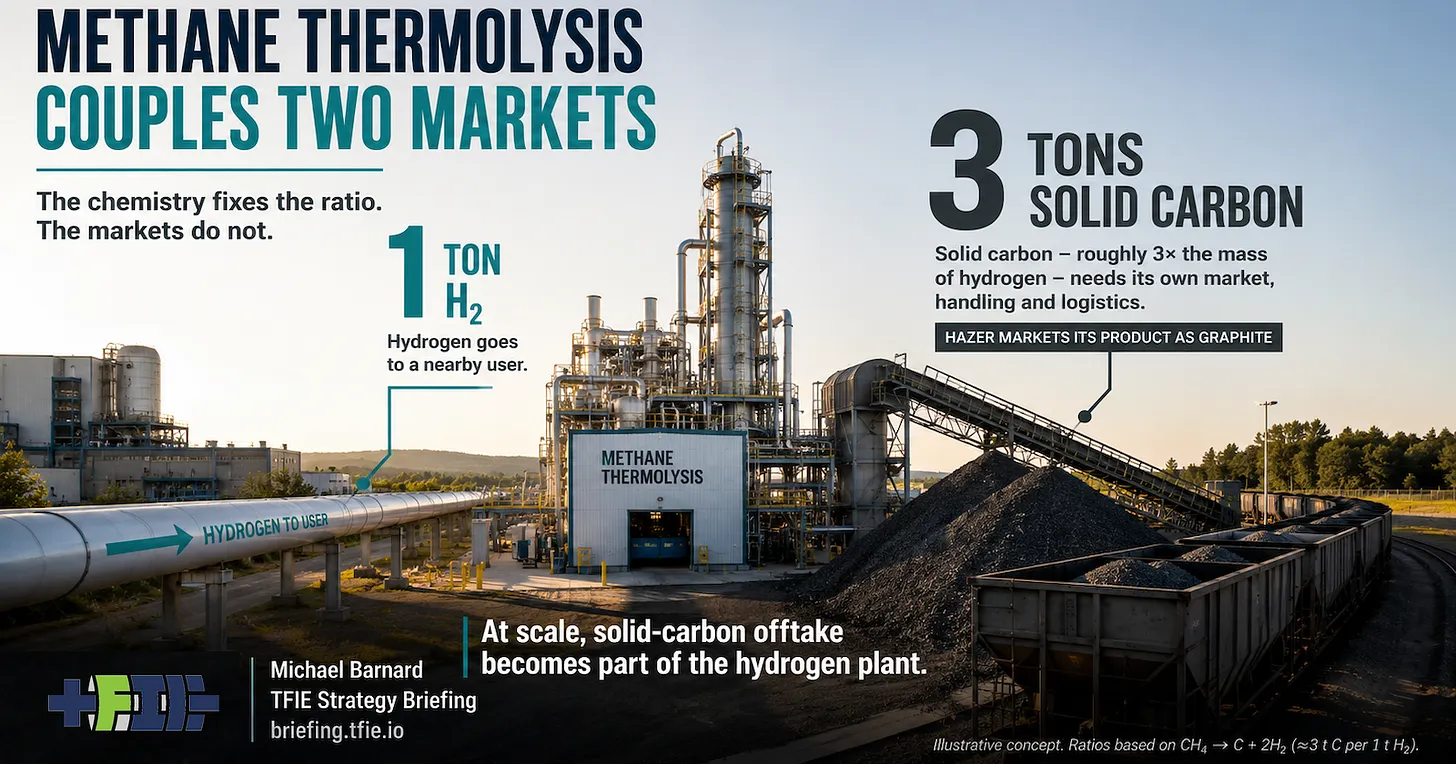
Methane Thermolysis in Hydrogen Production Faces Carbon Market Challenges
Methane thermolysis produces hydrogen and solid carbon, but scaling up faces market challenges due to the 3:1 carbon-to-hydrogen ratio, requiring robust downstream applications.
Global PV additions forecast to reach 638 GW in 2026
Global solar installations are projected to reach 638 gigawatts in 2026, according to the latest analysis from Intertek CEA, a solar and storage technical advis...

Top Chinese Solar Firms Report H1 2026 Losses Amid Market Challenges
Major Chinese solar manufacturers including JinkoSolar, Canadian Solar, and Trina Solar report first-half 2026 losses due to weak demand and price pressures, despite shifts toward energy storage.
Machine Learning Boosts Irradiance Prediction for Bifacial Solar Panels
Research from Selçuk University compares machine learning models to improve plane-of-array irradiance predictions for bifacial photovoltaic systems using NREL field data.
Trending Now


TestMu Conference 2026: 75K+ Registrations, 145 Speakers at Global AI Event
Methane Thermolysis in Hydrogen Production Faces Carbon Market Challenges
