Pentagon Boat Strikes Resume; Trump Tightens Iran Sanctions; Supreme Court Ruling
The Pentagon has resumed boat strikes in the Pacific, while the Trump administration announced new Iran sanctions and a Supreme Court decision on mail‑in voting.
The Pentagon has resumed military strikes on vessels in the eastern Pacific and Caribbean after a two-month pause, according to U.S. Southern Command. On Monday, SOUTHCOM reported that a strike targeting a low-profile boat along known drug-trafficking routes resulted in two deaths. However, the Pentagon provided no evidence that the vessel was carrying narcotics. Since President Trump initiated the boat bombing campaign nearly a year ago, SOUTHCOM says at least 223 people have been killed. Amnesty International has condemned the strikes as extrajudicial killings, arguing they constitute crimes under international law.
The Trump administration also announced new sanctions targeting Iran’s oil, shipping, cryptocurrency, gold, and aviation sectors. Treasury Secretary Scott Bessent introduced “Operation Economic Outcast,” warning that businesses, banks, and nations could face exclusion from the U.S. financial system if they continue trading with Tehran. Bessent stated that countries have a timeline to sever ties with Iran but did not specify which nations would be affected or when. Iran’s key trading partners, including China, India, Iraq, Pakistan, Turkey, and the United Arab Emirates, have been impacted by the measures. China’s Foreign Ministry urged the U.S. to return to dialogue, emphasizing that sanctions exacerbate tensions rather than resolve disputes.
In a separate development, the U.S. Supreme Court lifted a lower court’s injunction on President Trump’s executive order restricting mail-in voting ahead of the November midterms. The order directs the Department of Homeland Security to compile state-by-state lists of eligible citizen voters, which the U.S. Postal Service would use to determine mail-in ballot eligibility. The Court ruled 6-3 that California and 22 other states lacked standing to challenge the order, though it did not address the president’s authority to impose the rules. The three liberal justices dissented, with Justice Ketanji Brown Jackson warning the decision could inject chaos into the election process.
Meanwhile, Trump threatened to impose a 50% tariff on Canadian cars, trucks, and auto parts starting next year. The announcement followed the U.S. imposition of 50% tariffs on roughly $20 billion of Canadian goods, prompting Prime Minister Mark Carney to announce retaliatory measures set to begin September 8. Carney stated Canada would resume trade talks only if the U.S. adopts a more cooperative approach.
In Gaza, Israeli airstrikes targeted a mosque, a water desalination plant, and tents housing displaced Palestinians, killing at least seven people, including two children. Survivors described the destruction of a historic mosque in Bureij refugee camp, with Mohammed Abu Amra stating, “The Israeli occupation is just hitting blindly.” Despite a ceasefire agreement last October, Israeli forces have killed nearly 1,300 Palestinians in Gaza since then.
In Montreal, the City Council passed a resolution in solidarity with Palestinians, though it removed language calling for the suspension of ties with Israel and the recognition of Gaza’s situation as “genocide” or “apartheid.” Councillor Alex Norris emphasized the real-time visibility of the conflict, stating, “What Israel has done in Gaza and the role Western governments have played in enabling it has become one of the defining moral tests of our time.”
In Haiti, a gang attack in Kenscoff, near Port-au-Prince, killed at least 47 people and wounded 22, with homes set ablaze. Survivors expressed outrage over the government’s failure to protect civilians amid worsening gang violence. The U.N. reports that criminal groups have killed over 16,000 people since early 2022, deepening an ongoing humanitarian crisis. The U.S. recently resumed deportation flights to Haiti twice weekly after the Supreme Court allowed the Trump administration to end temporary protected status for an estimated 350,000 Haitians.
The Trump administration also announced plans to revoke B1 and B2 visas issued between 2016 and 2026 for individuals who have applied for or are seeking asylum. The Associated Press estimates 200,000 people could be affected, making it the largest mass visa revocation in U.S. history if implemented.
#TrumpAdministration #Pentagon #IranSanctions #GazaConflict #HaitiCrisis #USCanadaTrade #SupremeCourt #SOUTHCOM
Comments (0)
No comments yet — be the first to weigh in.
Related Coverage
 Politics
Angie Nixon Wins Florida Democratic Senate Primary: Grassroots vs Establishment
Florida progressive Angie Nixon defeats Alexander Vindman in a high-profile Democratic Senate primary. Learn about her grassroots campaign, policy priorities, and November challenge against Ashley Moody.
 Politics
Aisha Wahab Defeats AIPAC-Backed Challenger to Win Historic Seat in Congress
Aisha Wahab makes history as the first Afghan American elected to Congress, overcoming $6M in AIPAC-backed attack ads in California’s special election.
 Politics
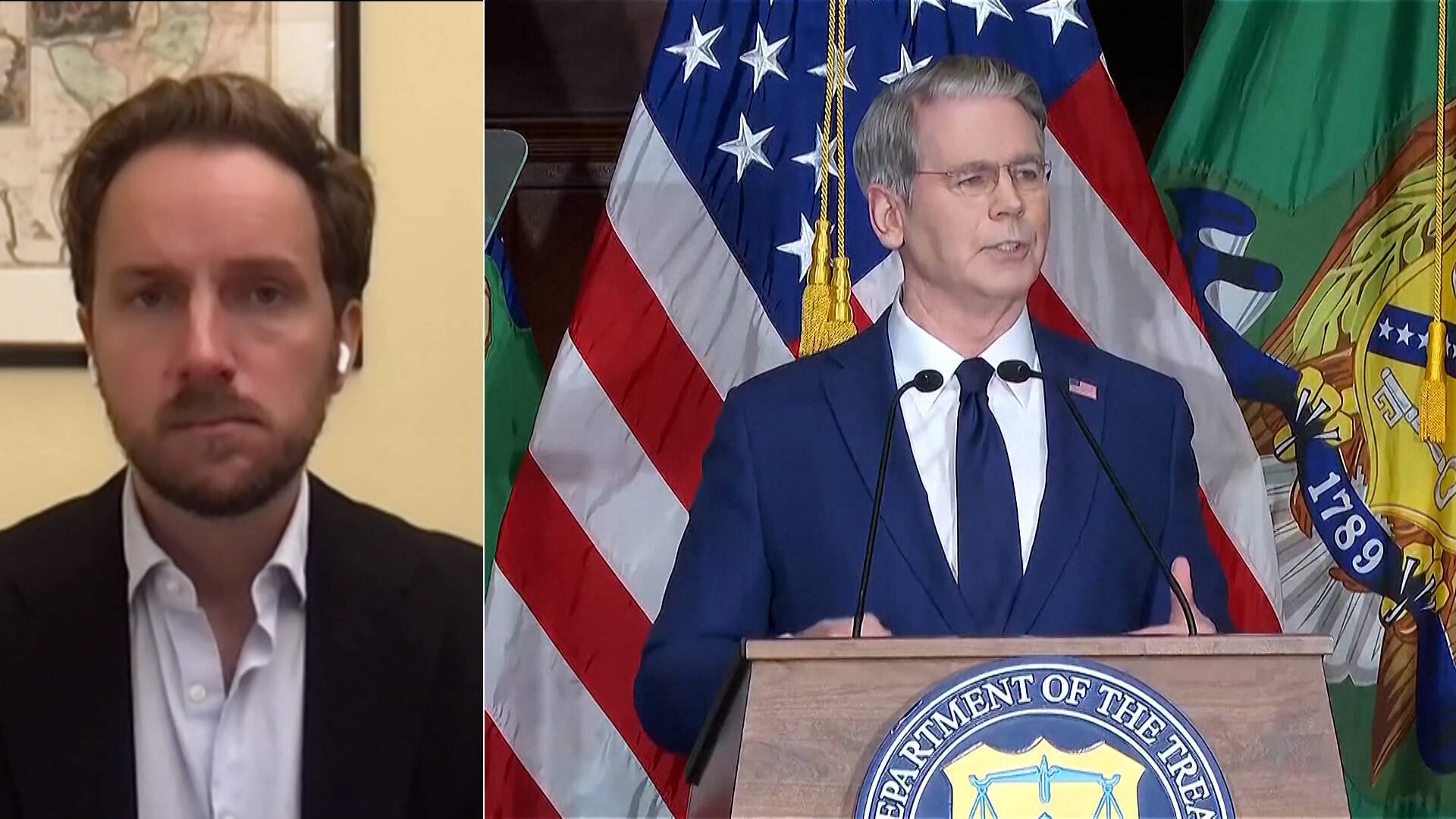
US Threatens New Iran Sanctions Targeting China and Allies: Analysis
The US administration announced plans to expand Iran sanctions, risking tensions with China and other top trading partners. Experts warn of limited impact on Iran and potential global financial consequences.
 Politics
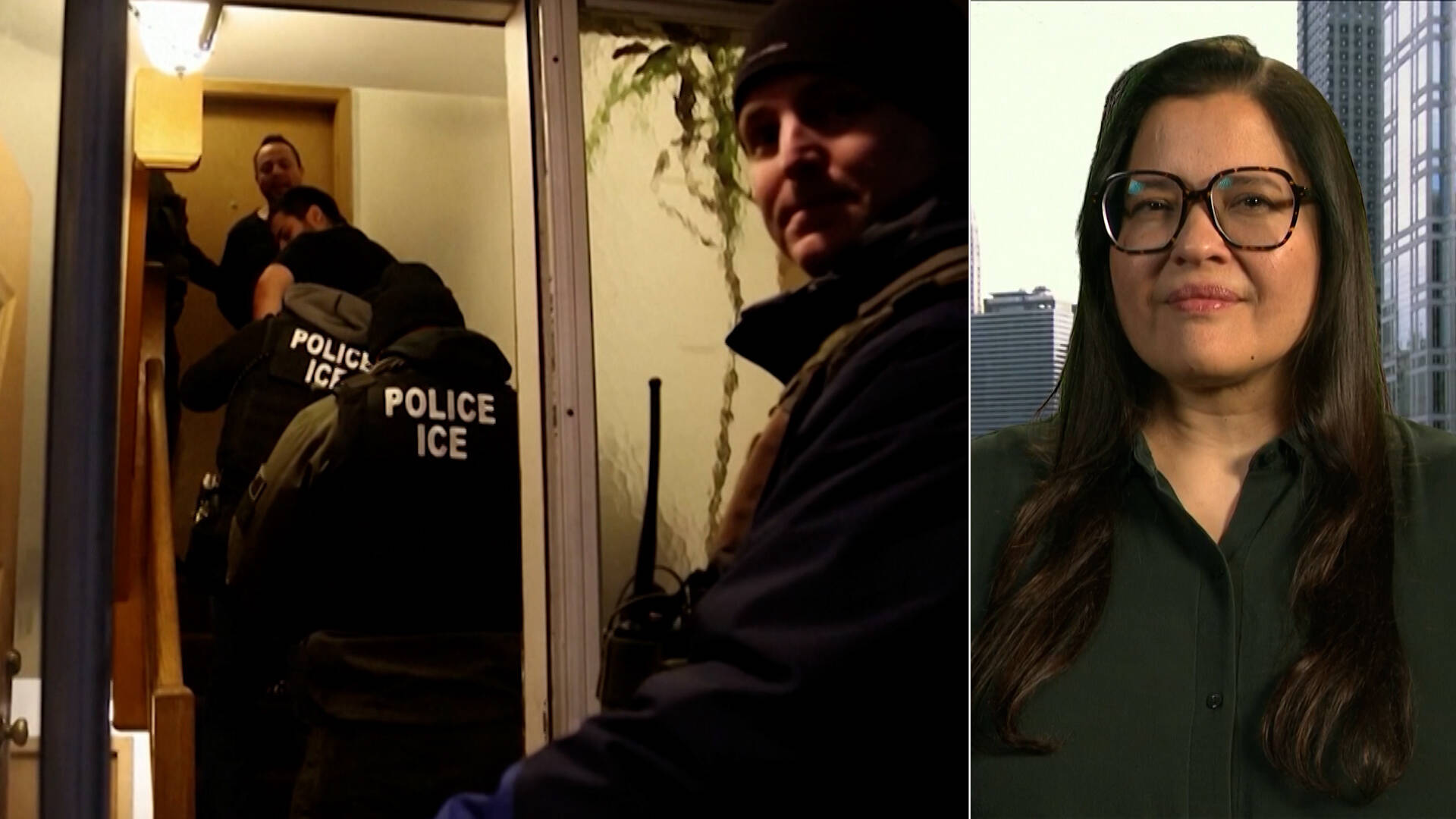
Illinois Is a Sanctuary State, But Cops & Prosecutors Still Secretly Work with ICE: Injustice Watch
Illinois, known as a sanctuary state under the TRUST Act, has seen local law enforcement and prosecutors secretly collaborate with U.S. Immigration and Customs...
Most Read

Wrexham sign Burkina Faso stars Issa Kabore & Jacques Ekomie from Man City & Angers

Visa Advances AI Cybersecurity Tools for Enhanced Fraud Prevention
Global PV additions forecast to reach 638 GW in 2026