Canada's Solar Energy Growth: Provinces Chart Diverse Paths to 2035 Goals
Canada's solar sector shows uneven growth across provinces, with incentives in Quebec and Ontario driving expansion, while others reconsider net metering policies amid US trade uncertainties.

Canada's solar energy sector is experiencing uneven but growing momentum across its provinces and territories, driven by differing local policies and market conditions. While some regions accelerate development, others adopt a more cautious approach as each jurisdiction charts its own path toward renewable energy goals. Industry leaders say the sector is expanding, particularly where storage-paired systems and government incentives intersect.
Phil McKay, Senior Director of Member Programs at the Canadian Renewable Energy Association (CanREA), told pv magazine that while official figures for 2026 solar additions are not yet available, member feedback indicates a strong year. He highlighted rising interest in solar-plus-storage systems, which combine photovoltaic generation with battery backup for greater reliability and grid value. McKay described Canada’s solar market as “13 different markets,” shaped by the country’s fragmented electricity system of independently governed regional grids.
In Québec, solar development has received a significant boost through a new provincial incentive program. Launched in April by Hydro-Québec, the utility offers a direct cash rebate of CAN $1,000 per kilowatt, covering up to 40 percent of eligible installation costs for residential and commercial customers. The program reduces typical payback periods from 25–30 years to 10–12 years. Québec also aims to integrate 3 GW of solar capacity by 2035. McKay noted a surge in inquiries from local companies since the program’s launch.
Ontario remains a leader in solar expansion. In April, the province approved 12 solar projects totaling 915 MW through its long-term energy procurement process. These projects are backed by 20-year agreements and expected to begin operations by May 2030. Notably, the procurement includes agrivoltaics—solar systems co-located with agricultural land—competing directly with natural gas in cost terms. “This is an open, cost-competitive environment where agrivoltaics are competing with gas,” McKay said.
Meanwhile, several provinces are reassessing net metering policies. British Columbia has replaced net metering with a fixed export rate of CAN $0.10/kWh, below retail prices, while New Brunswick is considering a similar shift. McKay said the rationale reflects concerns that solar producers are not paying their fair share of grid costs, though the changes have sparked public pushback. “There is huge pushback in the province, a lot of people are very upset about it,” he said.
Policy uncertainty is compounded by recent US trade actions. McKay noted that new 50 percent tariffs on Canadian goods entering the United States create uncertainty across the sector. He emphasized the impact of US policy on supply chains, including content requirements for Chinese imports, which can influence Canadian market access. Canadian Prime Minister Mark Carney responded to the tariffs with a speech reaffirming the federal budget’s commitment to double the country’s electricity grid with sustainable energy. McKay described the language as “very policy-driven for solar, wind, and storage markets,” and part of a broader “build Canada strong” narrative.
On the community level, grassroots solar initiatives are also gaining traction. Discussions are underway around plug-in solar systems, including the development of a new bi-national safety standard (UL 3700) for Canada and the US. While the standard is still under debate at the Canadian Standards Association, interest from environmental groups is rising. McKay said these organizations view plug-in solar as a form of “energy freedom,” offering Canadians more control over their energy choices. However, no compliant products are currently available, and manufacturers are still designing systems to meet the pending standard.
McKay stressed that once UL 3703-compliant products enter the market, adoption could accelerate nationwide. Until then, the sector remains in a preparatory phase, balancing provincial ambition with federal direction and external trade pressures.
#SolarEnergy #Canada #Quebec #Ontario #RenewableEnergy #CanREA #NetMetering #EnergyPolicy
Comments (0)
No comments yet — be the first to weigh in.
Related Coverage
 Environment
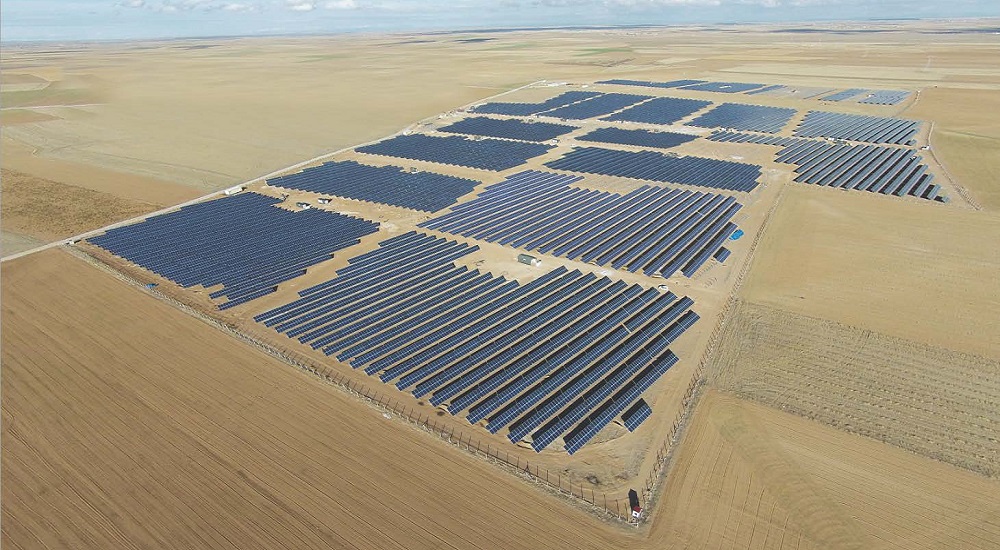
Machine Learning Boosts Irradiance Prediction for Bifacial Solar Panels
Research from Selçuk University compares machine learning models to improve plane-of-array irradiance predictions for bifacial photovoltaic systems using NREL field data.
 Environment
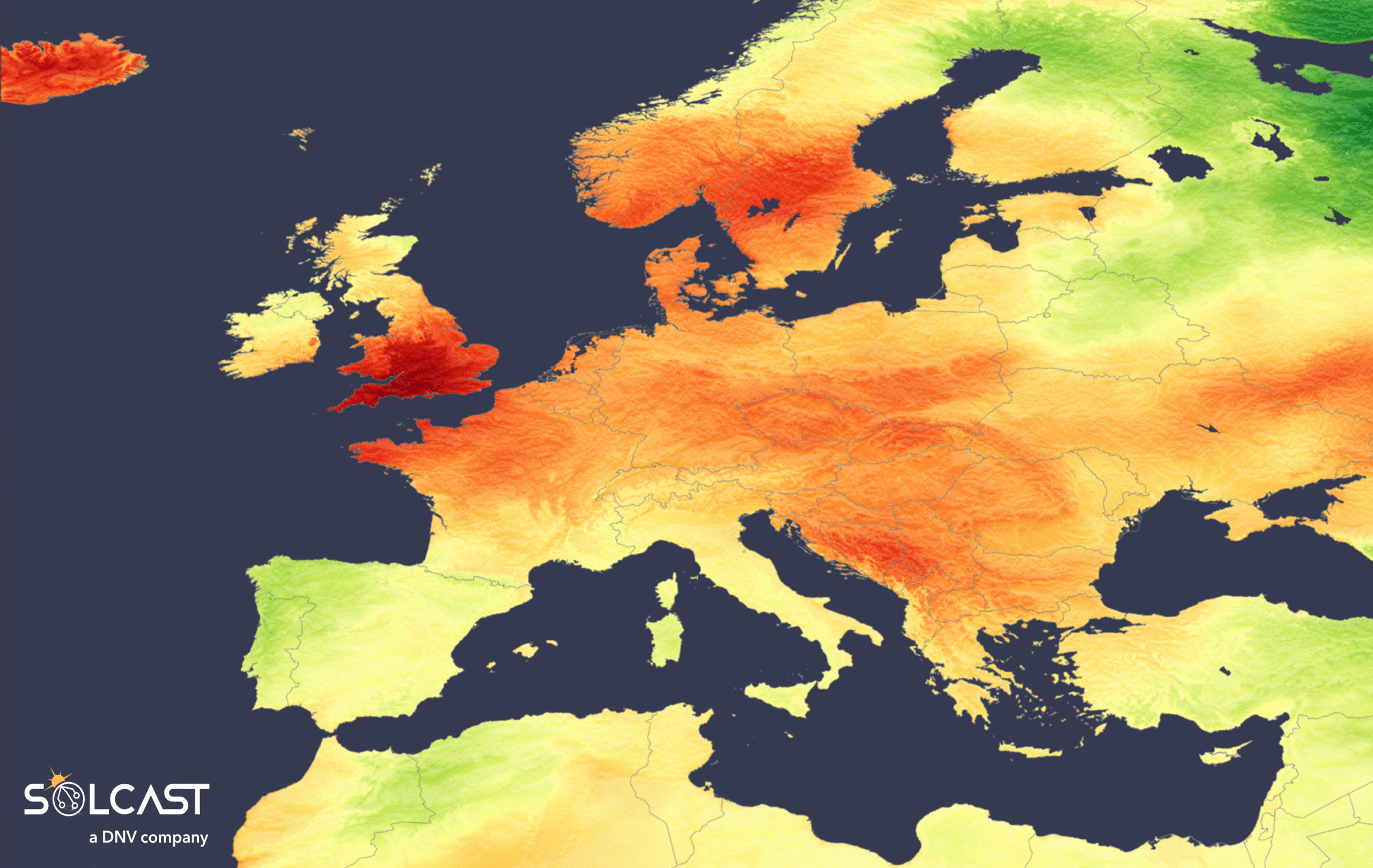
Europe’s solar resource surplus continues before late-August cloud shift
Europe’s solar resource surplus persisted across much of the continent in August 2026, with global horizontal irradiance averaging 5% above the 2007–2025 norm,...
 Environment
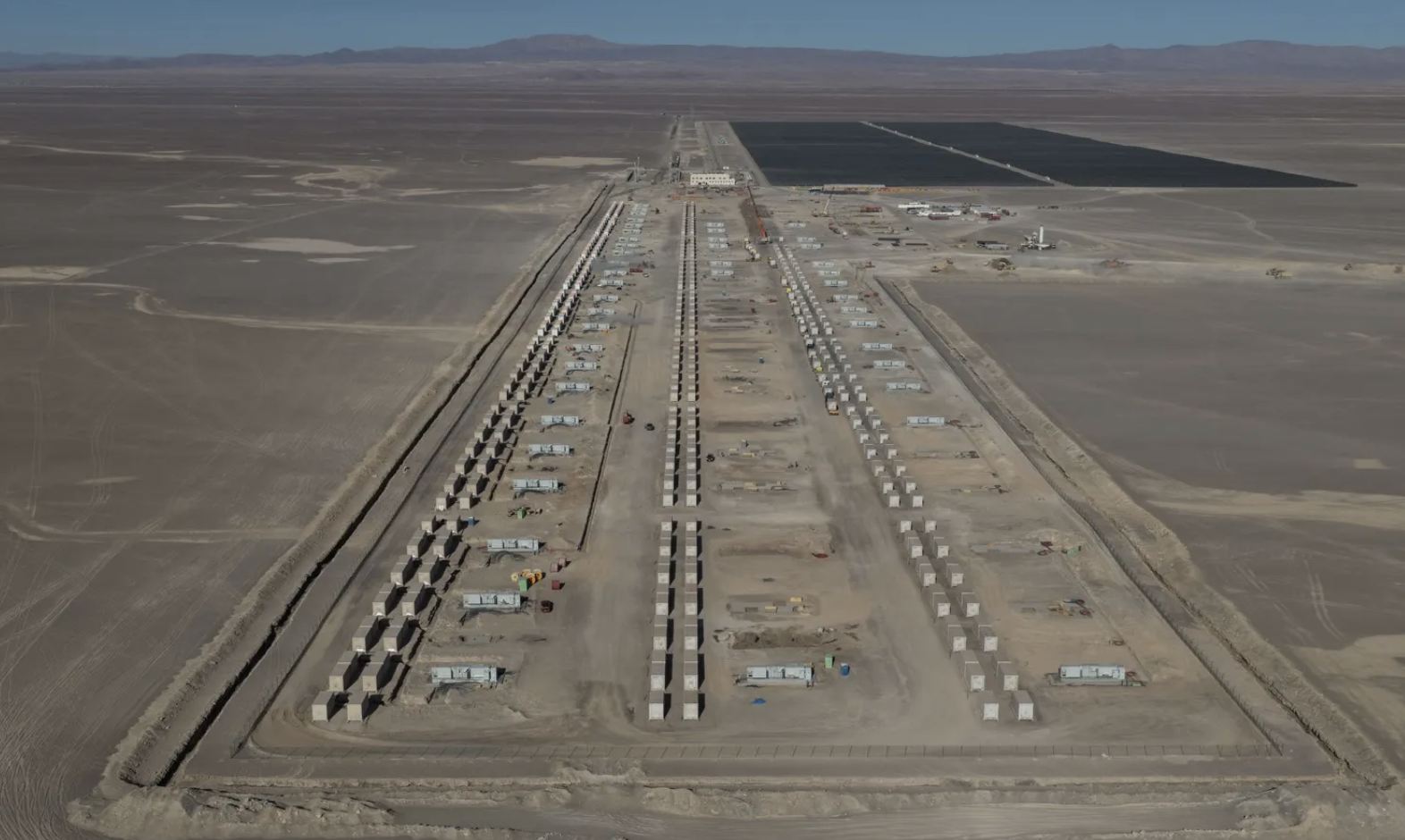
Latin America Energy Storage Forecast Jumps to 34 GW by 2035: Wood Mackenzie
Wood Mackenzie’s latest outlook projects Latin America’s energy storage capacity to surge to 34 GW by 2035, driven by regulatory frameworks and renewable integration needs. Key markets include Chile, Brazil, and Mexico.
 Environment
Africa's First PV-Driven Hydrogen Hub Begins Operations in Namibia
CMB-TECH launches Africa's first fully integrated green hydrogen facility in Walvis Bay, Namibia, powered by 5 MW solar and advanced PEM electrolyzers. Discover future plans, applications, and global hydrogen developments.
Most Read

Tottenham Hotspur sign Omar Marmoush on loan from Man City with permanent deal option

Nepal Flash Floods Death Toll Rises to 626, Over 2,400 Missing
Nicole Rifkin’s New Yorker Cover Honors Dolly Parton’s Legacy
Machine Learning Boosts Irradiance Prediction for Bifacial Solar Panels