Africa's First PV-Driven Hydrogen Hub Begins Operations in Namibia
CMB-TECH launches Africa's first fully integrated green hydrogen facility in Walvis Bay, Namibia, powered by 5 MW solar and advanced PEM electrolyzers. Discover future plans, applications, and global hydrogen developments.
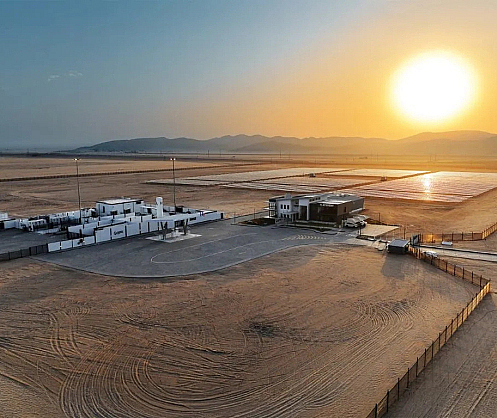
Green hydrogen development is accelerating globally, with Namibia emerging as a key player in Africa’s renewable energy transition. CMB.TECH, a hydrogen technology company, has launched operations at Africa’s first fully integrated photovoltaic (PV)-driven green hydrogen facility in Walvis Bay, Namibia. The project, developed in partnership with the Ohlthaver & List Group, features a 5 MW off-grid solar array, a 5 MW proton exchange membrane (PEM) electrolyzer, and 5.9 MWh of battery energy storage. With approximately 7,000 solar modules spread across 6.5 hectares, the facility marks a significant milestone in Namibia’s push toward sustainable energy solutions.
The hydrogen produced at the Walvis Bay site will be utilized in dual-fuel trucks and generators, with future applications planned for railway and maritime sectors. CMB.TECH, an initial offtaker, intends to test a hydrogen-powered freight locomotive as part of its scaling strategy. Siemens provided the facility’s integrated electrical, automation, and safety systems, while the site also includes a hydrogen refueling station and a training center. CMB.TECH has outlined plans to expand the project to 250 MW initially, followed by a potential 500 MW capacity, with the long-term goal of producing green ammonia for maritime use. Namibia’s growing hydrogen sector has gained further momentum with HyIron’s Oshivela project, which began green hydrogen production in March 2025 using a 12 MW electrolyzer powered by a 25 MW solar plant.
Beyond Namibia, global research is advancing hydrogen production technologies. Researchers at Tohoku University in Japan have developed a photocatalytic method using iron oxide doped with titanium to split water into hydrogen and oxygen using light energy. The study found that titanium doping enhances the semiconductor properties of iron oxide, improving its ability to separate photogenerated electrons and holes for water-splitting reactions. Meanwhile, scientists at the University of Nottingham in the UK have explored repurposing metal swarf—waste from manufacturing—as a substrate for hydrogen-production catalysts. Their analysis revealed nanoscale grooves and ridges on stainless steel, titanium, and nickel alloys that can anchor precious metals like platinum, creating efficient electrocatalysts for water splitting.
Storage solutions are also gaining attention. Researchers at Durham University in the UK have identified depleted North Sea gas fields as potential hydrogen storage sites, estimating a capacity of 3,659 terawatt-hours—enough to meet over seven years of projected UK electricity demand by 2040. The study suggests that utilizing these fields could help phase out conventional gas-fired power plants in the UK by 2040, complementing existing plans that focus on salt caverns. In South Korea, Seoul National University of Science and Technology (Seoultech) has developed an AI-driven system that boosted the hydrogen production efficiency of a solid oxide electrolysis cell by 14% while reducing temperature spikes by 80%, addressing thermal stress challenges in electrolysis.
China is taking a broader policy approach, instructing its oil and gas industry to develop large-scale green hydrogen projects, along with hydrogen pipeline and storage infrastructure, under a new five-year plan. The initiative emphasizes integrating hydrogen with existing oil and gas infrastructure, leveraging the country’s extensive pipeline network. While no specific production targets have been set, implementation will depend on market development and collaboration with local governments.
#GreenHydrogen #Namibia #CMBTECH #SolarEnergy #HydrogenProduction #EnergyStorage #ChinaEnergyPolicy
Comments (0)
No comments yet — be the first to weigh in.
Related Coverage
 Environment
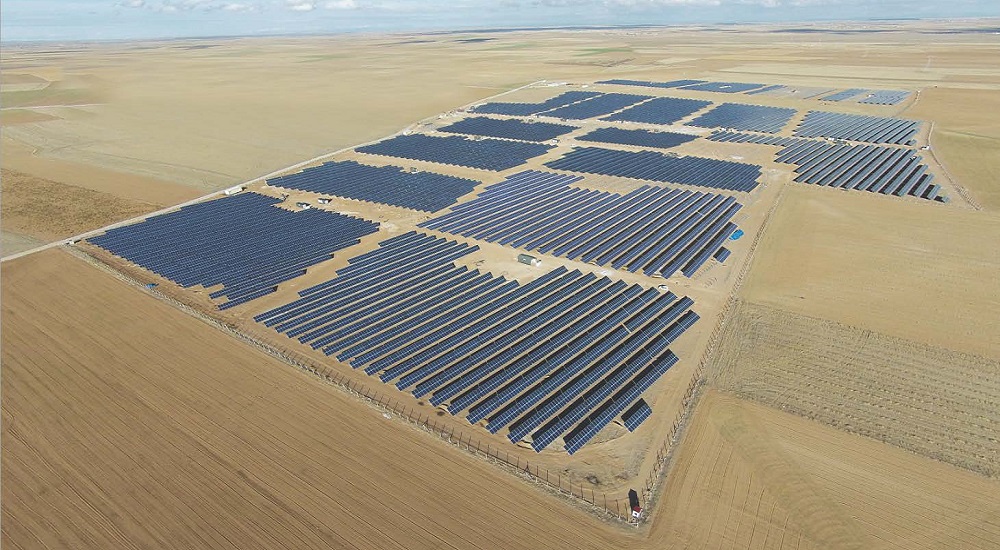
Machine Learning Boosts Irradiance Prediction for Bifacial Solar Panels
Research from Selçuk University compares machine learning models to improve plane-of-array irradiance predictions for bifacial photovoltaic systems using NREL field data.
 Environment
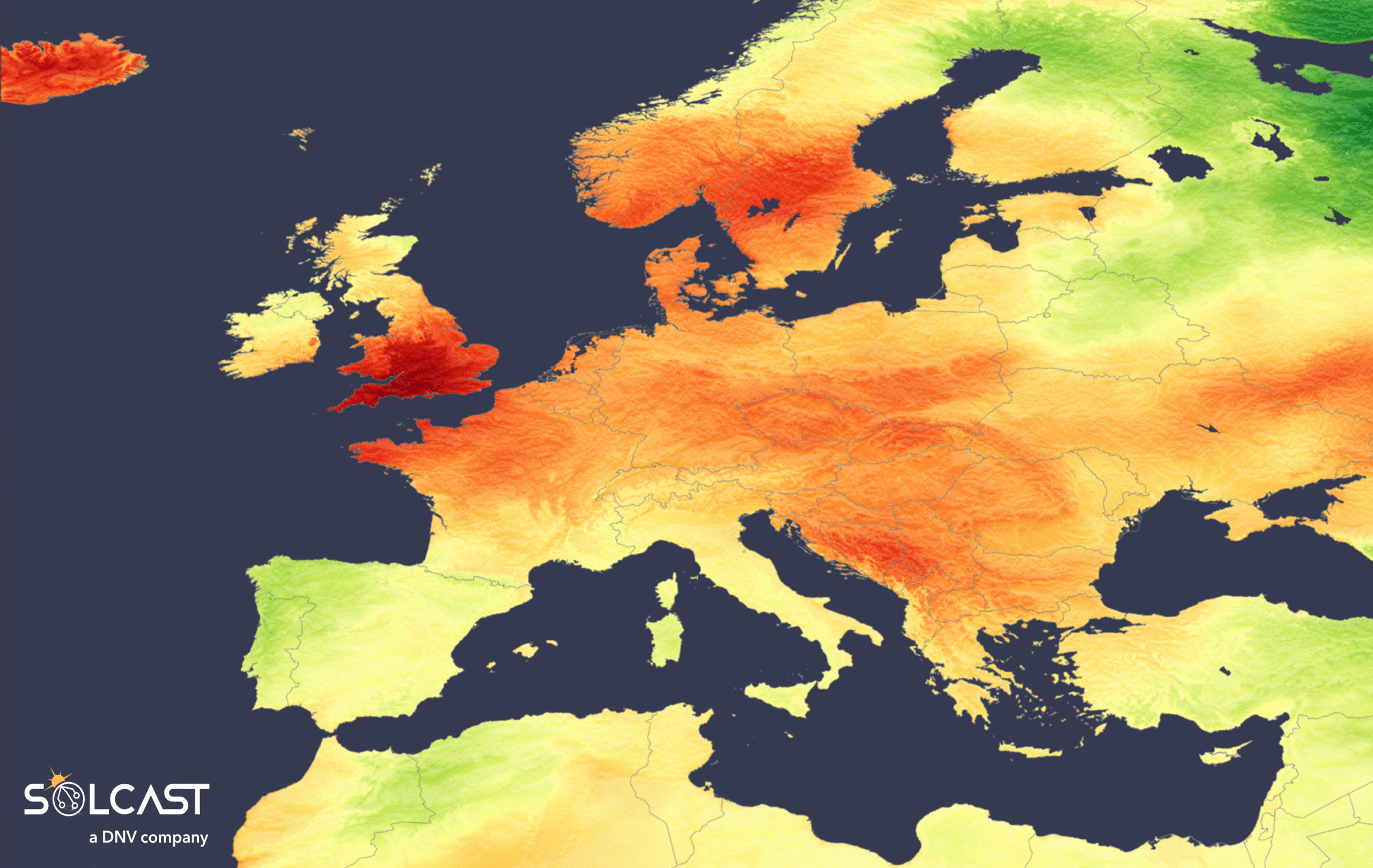
Europe’s solar resource surplus continues before late-August cloud shift
Europe’s solar resource surplus persisted across much of the continent in August 2026, with global horizontal irradiance averaging 5% above the 2007–2025 norm,...
 Environment
Canada's Solar Energy Growth: Provinces Chart Diverse Paths to 2035 Goals
Canada's solar sector shows uneven growth across provinces, with incentives in Quebec and Ontario driving expansion, while others reconsider net metering policies amid US trade uncertainties.
 Environment
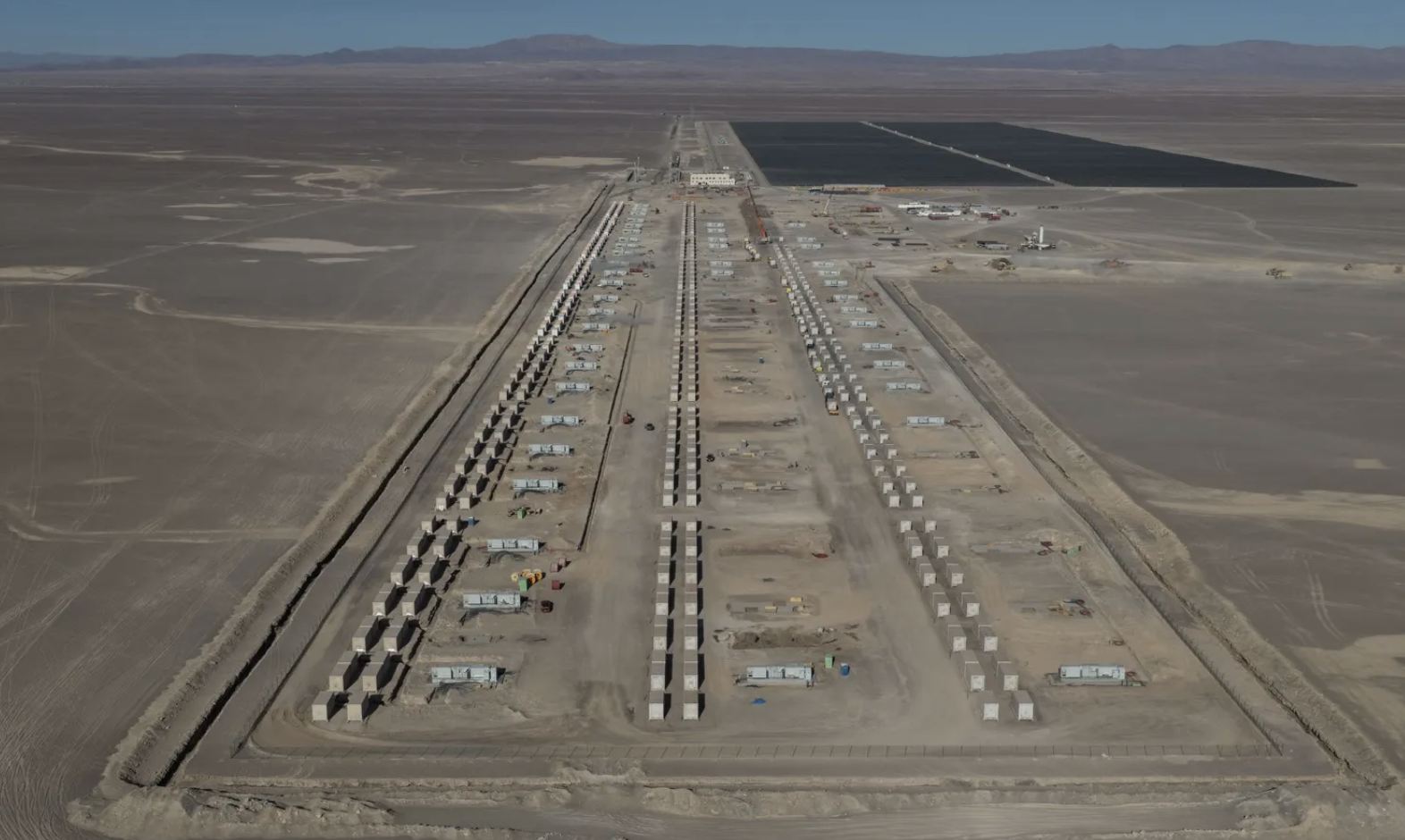
Latin America Energy Storage Forecast Jumps to 34 GW by 2035: Wood Mackenzie
Wood Mackenzie’s latest outlook projects Latin America’s energy storage capacity to surge to 34 GW by 2035, driven by regulatory frameworks and renewable integration needs. Key markets include Chile, Brazil, and Mexico.
Most Read

Tottenham Hotspur sign Omar Marmoush on loan from Man City with permanent deal option

Nepal Flash Floods Death Toll Rises to 626, Over 2,400 Missing
Nicole Rifkin’s New Yorker Cover Honors Dolly Parton’s Legacy
Machine Learning Boosts Irradiance Prediction for Bifacial Solar Panels