Turns out Brits would quite like their private messages to stay private

A new poll commissioned by the Center for Democracy & Technology (CDT) reveals strong public opposition in the UK to government access to encrypted private messages. The survey, conducted by Public First among 2,000 British adults in April, found that 93 percent believe they have a right to private online conversations. Additionally, 89 percent say no one should be able to access personal messages without a court order.
The findings present a challenge for the UK government, as two-thirds of respondents said they would not trust any government—current or future—with the power to access encrypted communications. This skepticism spans political lines, with majorities across party lines expressing distrust: 58 percent of Labour voters, 59 percent of Conservatives, 56 percent of Liberal Democrats, 69 percent of Greens, and 75 percent of Reform voters all said they would not trust the government with such authority.
The poll arrives as the UK government continues to push for increased access to encrypted data, despite resistance from the tech industry. Encryption experts argue that weakening encryption to allow government access would create vulnerabilities exploitable by criminals and hostile actors. The debate intensified when Apple withdrew its Advanced Data Protection feature from UK users after receiving a secret Technical Capability Notice (TCN) under the Investigatory Powers Act. While the US government later indicated that the UK had withdrawn its demand regarding American users, reports suggest a new TCN may have been issued specifically targeting UK users.
Despite the controversy, 55 percent of those polled said they were unaware of the Apple notice. When informed about the issue, public support for government-mandated access remained low. Only 12 percent backed the idea of the government secretly ordering companies to provide encrypted user data while barring those companies from disclosing the orders. A third of respondents said such powers should not exist at all, while 41 percent called for greater transparency or parliamentary oversight.
Concerns over security risks also weighed heavily on public opinion. Fifty-three percent said the risks of accessing encrypted messages outweigh any benefits to law enforcement, compared to 28 percent who believed the benefits were greater. Eighty-four percent expressed worry that backdoors or access mechanisms could be exploited by hackers or criminals, and 82 percent feared potential abuse of such powers.
Public behavior may also be affected. Sixty-five percent said they would become more cautious about what they liked, shared, or commented on online if they believed their communications could be monitored. Forty-one percent said they would self-censor criticism of public institutions or government officials.
The CDT, a digital rights organization that advocates for strong encryption, commissioned the survey as part of its ongoing campaign. The polling was conducted independently by Public First, with a margin of error of 2.2 percentage points.
Jim Killock, executive director of the Open Rights Group, commented on the findings: “The British public instinctively know that being able to communicate privately is crucial to our individuality and to the survival of a free and open society. The government persists with the myth that it can weaken encryption to target the bad guys only. Attacks on the security of our phones, security tools and messaging apps harm us all and make our democracy weaker.”
While the government continues to pursue policies around encrypted communications, the poll suggests there is little public enthusiasm for weakening encryption standards.
#UK privacy #Encrypted messaging #Investigatory Powers Act #Apple encryption #Digital rights #Public opinion poll #Surveillance debate #Privacy rights
Comments (0)
No comments yet — be the first to weigh in.

Laser Your Way to Smoother FDM 3D Prints
Researchers and hobbyists exploring ways to refine FDM 3D print finishes now have a laser-based smoothing technique as a viable alternative to traditional metho...
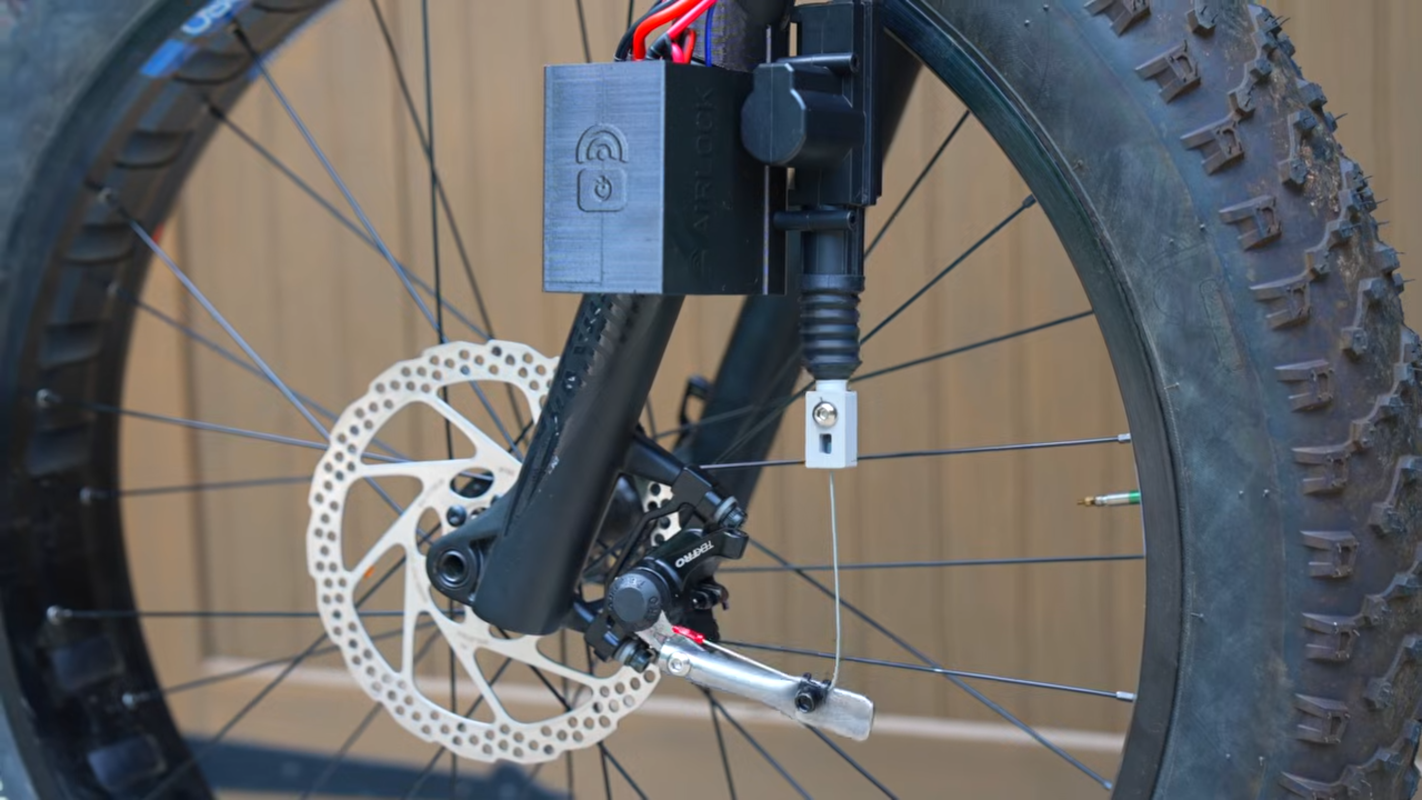
Wireless Fat Tire Brakes: ESP32‑Powered ABS and Remote Control Demo
Tested on a fat‑tire bike, the ESP32‑controlled wireless brakes add ABS, remote‑control, and a braking‑equalizer, showing the future of electronic mountain‑bike braking.
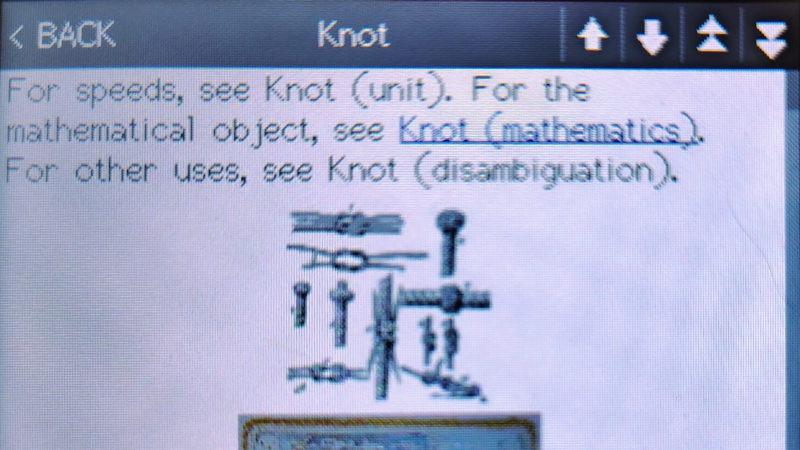
Wikipedia on a Cheap Yellow Display
A hobbyist has adapted the Cheap Yellow Display (CYD), a budget-friendly microcontroller board, to serve as an offline Wikipedia reader by running a customized...

Compact PCB Vise Uses Up That Leftover Filament
A 3D-printed PCB vise created by a maker known online as Chefkoch offers enthusiasts a practical way to repurpose leftover filament spools while gaining a usefu...


Vice President Radhakrishnan urges Kerala to deepen rivers to curb floods

Brighton swimmers protest sewage pollution as water quality alarms rise

Israeli Settlers Gain Foothold in West Bank's Area B With State Support
