Europe’s Heatwave Leaves Mediterranean Hot, September Forecasts Rising Rainfall
Blistering summer leaves Europe in flash‑flood mode. September keeps Mediterranean temps high, while northern cities cool. El Niño may add wetter, stormier weather.
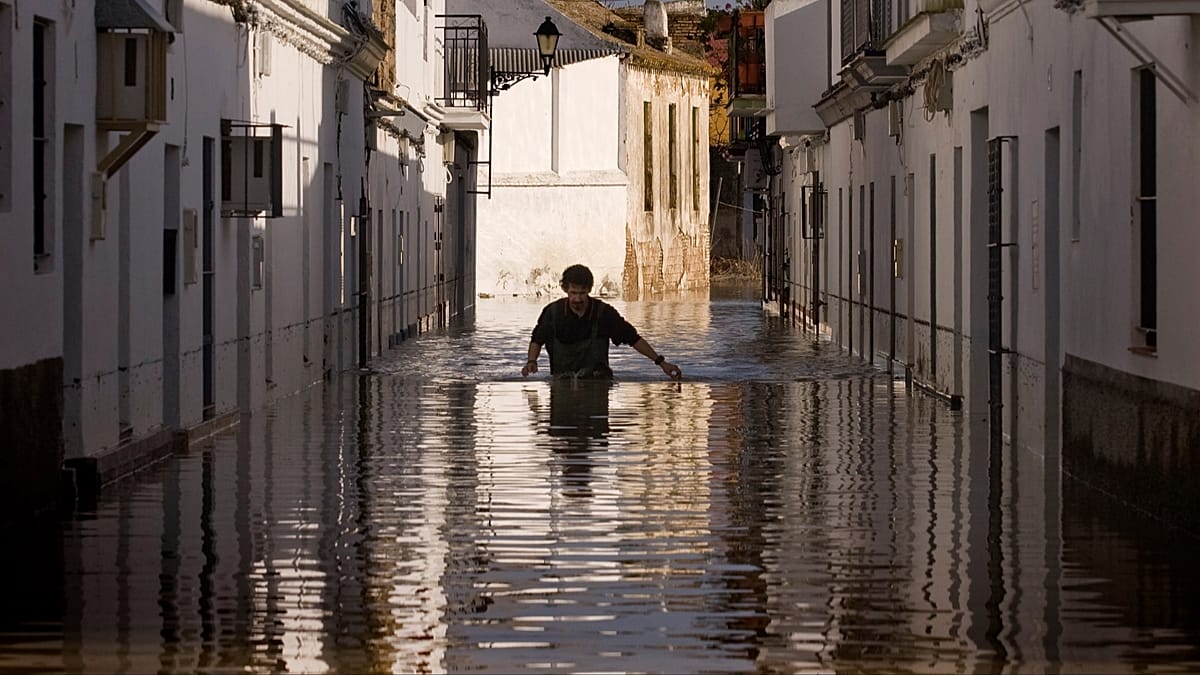
Europe’s intense summer has left the Mediterranean Sea significantly warmer, raising concerns about potential flash flooding and extreme weather as September approaches. Weather forecasters warn that parts of Europe may enter a period of heightened flood risk, while climate experts link the region’s blistering heat to human-induced climate change.
The European Commission described Europe’s summer as a “grim illustration” of climate change, with much of the continent enduring its third heatwave by June. July and August brought extreme temperatures that scientists say would have been “virtually impossible” without fossil fuel emissions. The prolonged heat and drought fueled devastating wildfires across Spain, Portugal, France, Greece, and Türkiye, scorching thousands of hectares and prompting one of the largest evacuation efforts since World War II.
As September begins, Europe faces contrasting weather patterns. Southern and Mediterranean regions, including Italy, Greece, and Spain, are expected to remain unusually warm, with daily highs reaching 35°C in Rome, 34°C in Athens, and 33°C in Madrid—about 6-8°C above the seasonal average. Meanwhile, Northern Europe, including cities like Berlin and London, is experiencing cooler, unsettled conditions, with temperatures in the low 20s and heavy rainfall already easing drought in parts of the UK, Germany, and France.
The Mediterranean, however, is at risk of flash flooding. Ioanna Vergini, founder of weather forecasting platform WFY24, explains that September and October mark the region’s flash-flood season due to the warm sea surface temperatures and the arrival of cold atmospheric troughs. These conditions can spawn weather systems like Spain’s DANA (Depresión Aislada en Niveles Altos), which caused deadly floods in Valencia in October 2024 and repeated flooding in Genoa. “A hot summer loads it, because the sea is the fuel and it has spent the summer charging,” Vergini told Euronews Earth.
Rainfall in Mediterranean cities like Valencia (18mm in August to 47mm in September), Palma (21mm to 55mm), and Palermo (15mm to 42mm) typically increases in September, while northern cities like Berlin, Warsaw, and Stockholm see little change or even less rain compared to August.
The El Niño weather phenomenon has also drawn attention, with the World Meteorological Organization (WMO) warning it could be the “strongest in living history.” While El Niño primarily affects tropical regions—heightening flood risks in South America and droughts in Australia—its influence on Europe is indirect. The UK Met Office suggests El Niño may increase the likelihood of wetter, stormier conditions in northwest Europe this autumn and early winter. The European Commission notes that an El Niño could contribute to “warmer-than-normal” autumn temperatures in Europe, potentially setting the stage for 2027 to become the hottest year on record.
Climate change remains the dominant driver of Europe’s extreme weather, according to experts. Professor Stephen Belcher of the UK Met Office emphasized that this summer’s heatwaves reflect the impacts of climate change, even as El Niño adds to natural climate variability. The warming Mediterranean, now 2°C above average, further amplifies concerns about escalating extreme weather events in the region.
#EuropeWeather #MediterraneanFloods #ClimateChange #ElNino2024 #FlashFloodSeason #WildfiresEurope #ExtremeWeather
Comments (0)
No comments yet — be the first to weigh in.

Airbnb manager said he was unlawfully fired despite ‘very positive’ performance review
A former Airbnb manager has taken legal action against Airbnb Ireland Unlimited Company, alleging unlawful dismissal despite receiving a positive performance re...

Dublin’s New Medical Museum: €8m Project Showcasing 50,000 Artifacts Planned
The Royal College of Physicians of Ireland plans an €8m medical museum in Dublin featuring 50,000 artifacts, including a padded cell from Grangegorman Asylum, Napoleon’s toothbrush, and an iron lung. Expected to open in 2029.

How Irish Parents Can Support Their Kids Through College Transition
Irish parents learn to shift from manager to mentor as their children start college, tackling costs, key deadlines, commuting, and access to student support services.

Parents Urged to Ensure Children Are School-Ready Before Starting Junior Infants
Experts highlight the importance of toilet training and basic life skills for children starting school. A UK study found many youngsters are unprepared, impacting teachers and classroom time.

India and Chile Aim to Finalize Trade Pact by 2026: Key Details


British Woman Killed in Stabbing at Rosenheim Railway Station, Bavaria