Climate Burnout: How to Sustain Activism Without Burning Out
Expert advice on overcoming climate burnout and paralysis, offering sustainable ways to stay engaged despite overwhelming challenges.

Climate change activists and sustainability professionals are increasingly struggling with burnout and paralysis as they confront the scale of the global crisis. In a recent column from Grist’s "Ask a Climate Therapist," a sustainability worker with over 24 years of experience and a climate-conscious professional in their early 30s shared their exhaustion and hesitation in addressing environmental challenges. The column offers guidance on coping with climate-related emotional fatigue while staying engaged in meaningful work.
The first writer, a long-time sustainability specialist, expresses deep weariness after decades of advocacy, questioning whether to persist in a system where their influence feels limited. The second, a 31-year-old climate-aware professional, admits to avoiding activism due to a belief that individual efforts cannot make a difference. Both describe emotional responses—burnout and withdrawal—that stem from the overwhelming nature of the climate crisis.
Leslie Davenport, a climate therapist and author, responds to these concerns by framing the shared struggle as a collective challenge rather than an individual one. She explains that societal and environmental progress often occurs through gradual, systemic efforts rather than immediate, visible change. Restoring ecosystems, passing legislation, or phasing out fossil fuels requires years of unseen groundwork, and burnout arises when people expect individual actions to match the magnitude of the problem.
Davenport introduces the "Even As" practice as a way to hold contradictory feelings without allowing them to overwhelm. For example, one might acknowledge exhaustion while also recognizing the value of continued involvement, or fear of inaction alongside a desire to contribute. This approach helps individuals step back from polarized thinking—pushing harder or giving up—and instead reconnect with the broader mission of collective climate action.
She encourages readers to shift their focus from personal burden to shared effort, comparing individual contributions to the slow but powerful force of a river eroding stone. Engaging with others in climate work, whether through group canvassing or collaborative projects, can restore a sense of purpose and reveal progress that may otherwise go unnoticed.
Davenport’s insights align with her upcoming book, *Transforming Climate Anxiety*, which offers further strategies for managing climate-related distress.
#ClimateBurnout #SustainabilityWork #ClimateTherapy #EnvironmentalAdvocacy #CollectiveAction #ClimateAnxiety #Grist
Comments (0)
No comments yet — be the first to weigh in.
Related Coverage
 Environment
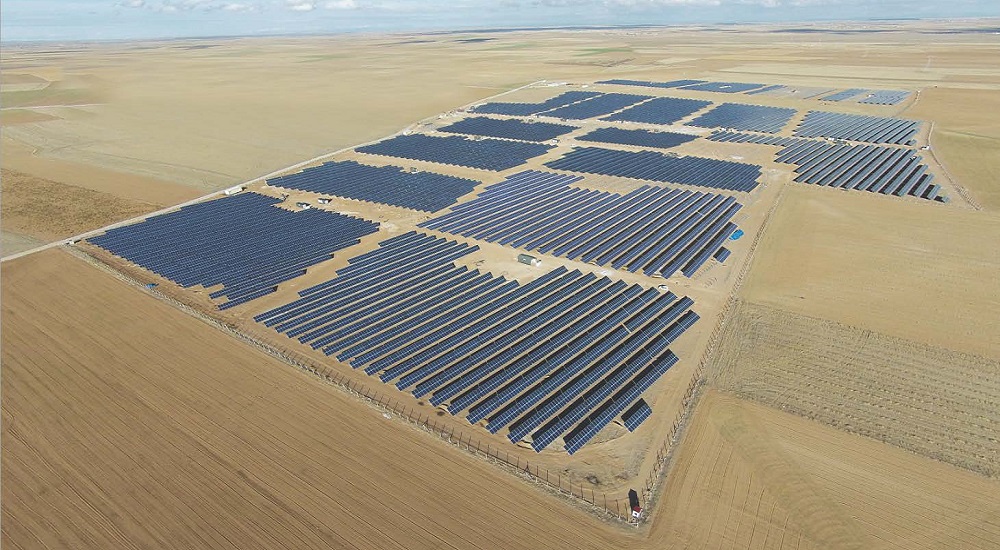
China Faces Stalled PV Consolidation as Overcapacity Persists
China’s solar module sector struggles to trim excess capacity amid weak domestic demand and geopolitical pressures, with government measures yet to curb losses.
 Environment
Machine Learning Boosts Irradiance Prediction for Bifacial Solar Panels
Research from Selçuk University compares machine learning models to improve plane-of-array irradiance predictions for bifacial photovoltaic systems using NREL field data.
 Environment
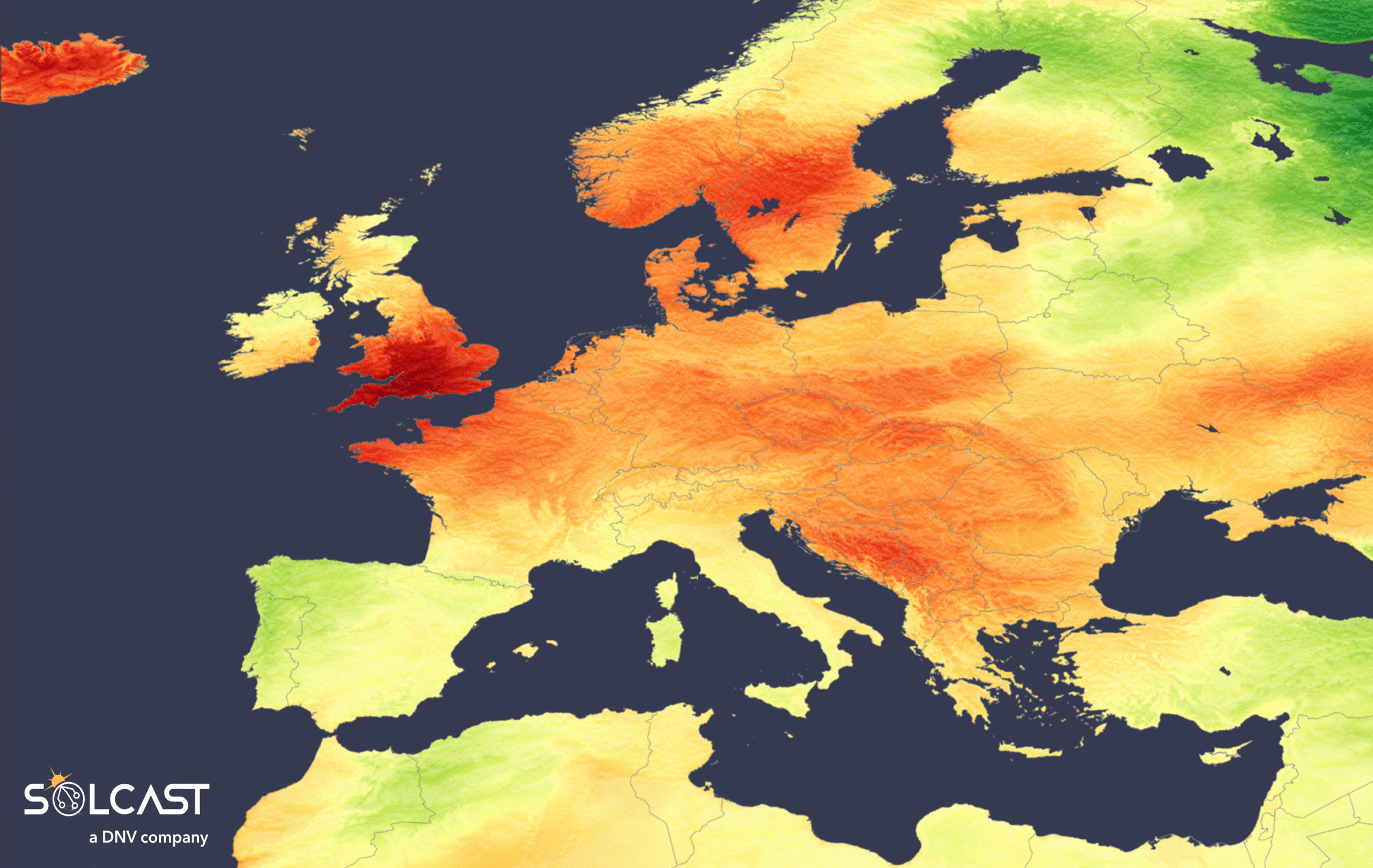
Europe’s solar resource surplus continues before late-August cloud shift
Europe’s solar resource surplus persisted across much of the continent in August 2026, with global horizontal irradiance averaging 5% above the 2007–2025 norm,...
 Environment
Canada's Solar Energy Growth: Provinces Chart Diverse Paths to 2035 Goals
Canada's solar sector shows uneven growth across provinces, with incentives in Quebec and Ontario driving expansion, while others reconsider net metering policies amid US trade uncertainties.
Most Read

Hull City's Perfect Premier League Start: Two Wins in Two Games, Historic Feat

Central Banks Risk Recession with Misguided September Rate Hikes


Aston Villa close to £65m deal for Chelsea striker Nicolas Jackson
