US, Saudi Arabia to push back against stricter shipping emissions rules at IMO talks
Governments will resume debates on global shipping emissions regulations at London's IMO talks in September, with the US and Saudi Arabia seeking to dilute stricter climate rules for the sector.

The United States is poised to renew efforts to weaken climate regulations for the global shipping industry during high-stakes negotiations at the International Maritime Organization (IMO) in London next week. The closed-door talks, scheduled to begin September 9 at the IMO’s headquarters in London, will focus on finalizing rules to reduce emissions from the sector, which currently accounts for 3% of global greenhouse gas emissions.
The US, backed by oil-producing allies such as Saudi Arabia, is expected to advocate for weaker emissions reduction measures. One of the proposals under consideration—a plan from Liberia—could result in emissions cuts of only 50% by 2050, far below the sector’s agreed climate targets. In contrast, a more ambitious proposal from the Pacific island nation of Tuvalu seeks to impose a levy on all ship emissions, rather than just those exceeding a certain threshold.
Governments provisionally adopted the "Net-Zero Framework" (NZF) in April 2025, setting emissions reduction targets for shipowners, along with financial incentives for compliance and penalties for non-compliance. However, the framework’s adoption was delayed after US President Donald Trump intervened in late 2025, prompting nations to postpone implementation for a year. The delay was criticized by Ralph Regenvanu, Vanuatu’s climate minister, who called it "unacceptable" given the urgency of climate action.
Em Fenton, senior director of climate diplomacy at the NGO Opportunity Green, warned that alternative proposals to the NZF could distract from the agreed compromise. "If countries want to deliver a just and fair maritime transition, there is really only one choice: back the NZF and stand together in solidarity against those who would tear it apart," Fenton stated.
Six Pacific countries abstained from the NZF vote in April 2025, arguing that the framework lacked sufficient ambition. Tuvalu’s transport minister, Simon Kofe, described the NZF as disappointing when it was first adopted. The Pacific nations have since pushed for stronger measures, with advisor John Kautoke of 6PAC+ emphasizing that the NZF must increase in ambition rather than diminish it.
Analysis by the Institute of Marine Engineering, Science and Technology (IMarEST) suggests that only Tuvalu’s proposal would meet the 2030 and 2040 emissions reduction targets agreed by governments in 2023—20% cuts by 2030 and 70% by 2040, with net-zero emissions by around 2050. The NZF, while falling short of these targets, would still reduce emissions more effectively than the Liberian proposal, which could allow emissions to remain high through 2050.
The NZF includes a Net Zero Fund, financed by fees from high-polluting shipowners, to support the development of cleaner fuels and a fairer transition. However, Brazil’s proposal—backed by the US and others—would delay the implementation of this fund by two years, from 2029 to 2031. Japan has also submitted a late proposal that would give shipowners greater control over how emissions fees are spent, potentially undermining investments in clean fuel technologies.
Negotiations will continue through November, with a final round of talks scheduled for November 30 to December 4. A new framework could be adopted if two-thirds of countries present and signed onto Marpol Annex VI agree.
#ShippingEmissions #IMO #NetZeroFramework #PacificIslands #ClimateNegotiations #LiberiaProposal #TuvaluProposal
Comments (0)
No comments yet — be the first to weigh in.
Related Coverage
 Environment
Top Chinese Solar Firms Report H1 2026 Losses Amid Market Challenges
Major Chinese solar manufacturers including JinkoSolar, Canadian Solar, and Trina Solar report first-half 2026 losses due to weak demand and price pressures, despite shifts toward energy storage.
 Environment
China Faces Stalled PV Consolidation as Overcapacity Persists
China’s solar module sector struggles to trim excess capacity amid weak domestic demand and geopolitical pressures, with government measures yet to curb losses.
 Environment
Machine Learning Boosts Irradiance Prediction for Bifacial Solar Panels
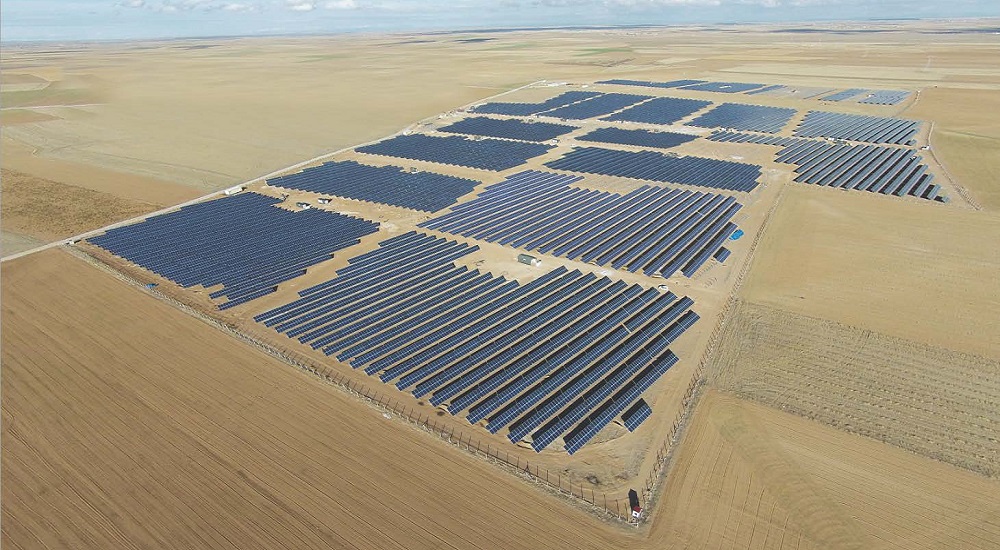
Research from Selçuk University compares machine learning models to improve plane-of-array irradiance predictions for bifacial photovoltaic systems using NREL field data.
 Environment
Europe’s solar resource surplus continues before late-August cloud shift
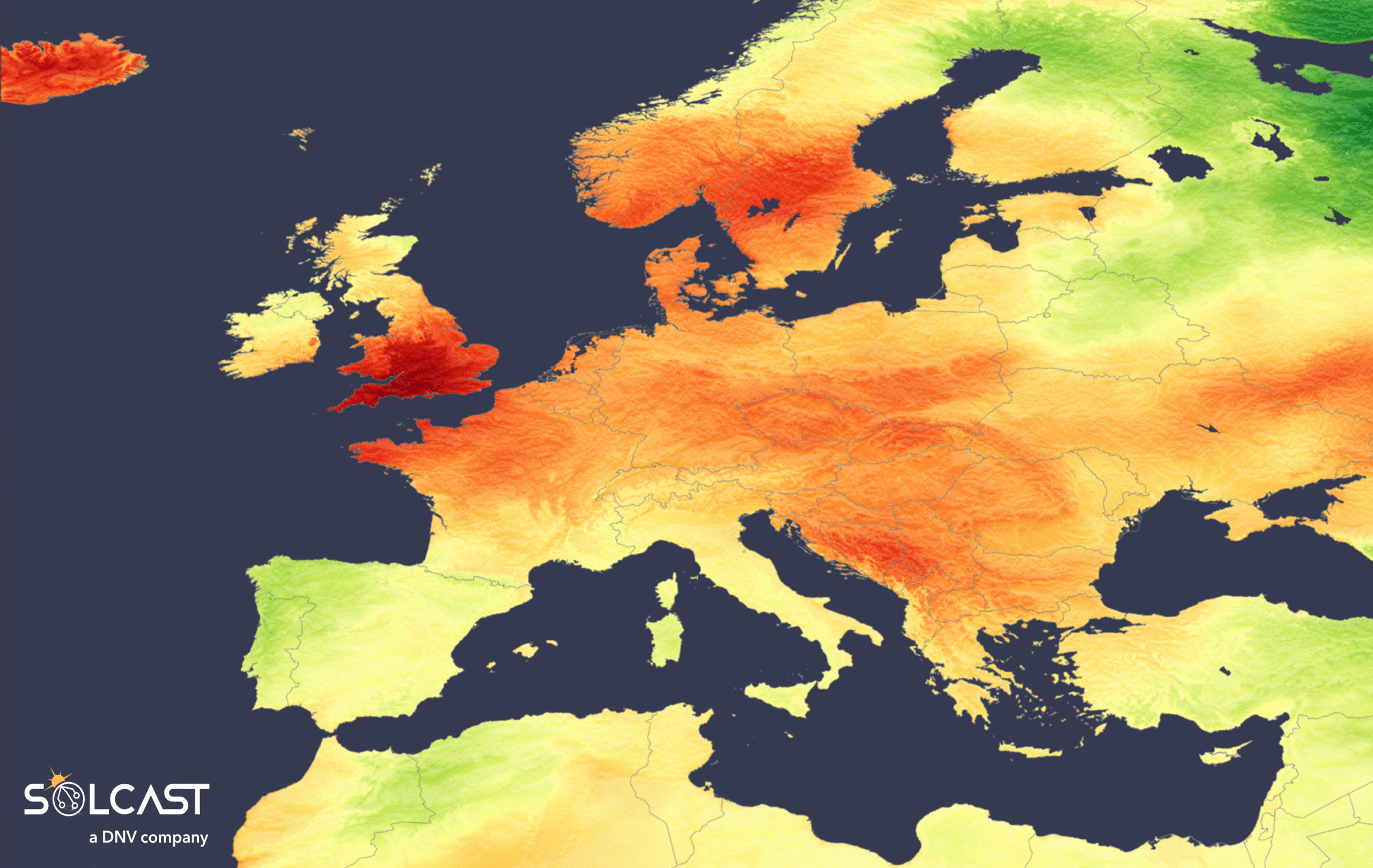
Europe’s solar resource surplus persisted across much of the continent in August 2026, with global horizontal irradiance averaging 5% above the 2007–2025 norm,...
Most Read
Top Chinese Solar Firms Report H1 2026 Losses Amid Market Challenges
Aisha Wahab Defeats AIPAC-Backed Challenger to Win Historic Seat in Congress

Hull City's Perfect Premier League Start: Two Wins in Two Games, Historic Feat

Central Banks Risk Recession with Misguided September Rate Hikes
