Labour MPs' Misguided Focus on Mythical Misogyny Over Real Violence Against Women
Critics argue UK Labour's £20m anti-misogyny school program targets overhyped online trends like 'toxic masculinity' over real-world sexual violence, warning of unintended consequences for young boys.
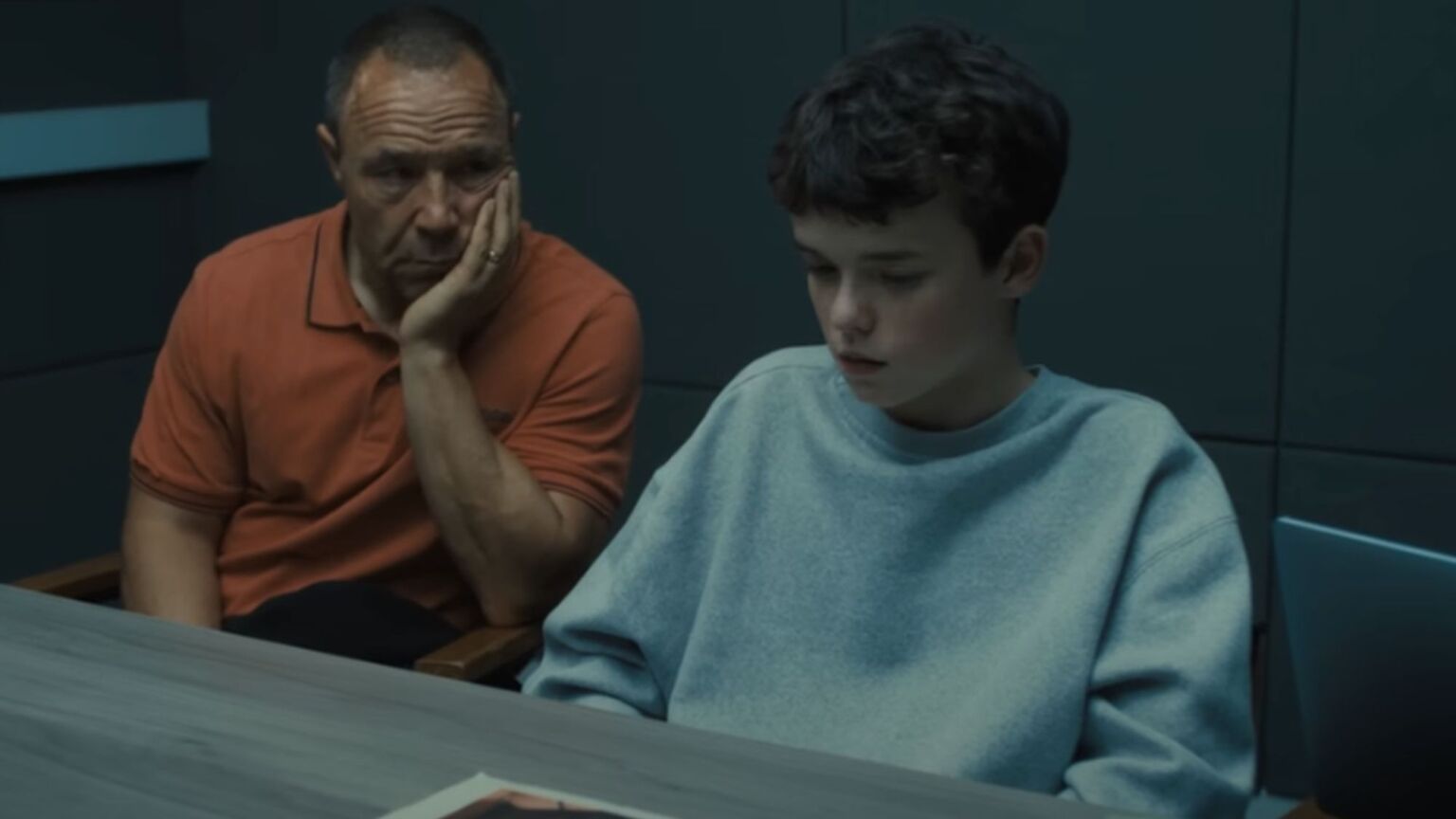
The British government’s focus on combating online misogyny risks misdirecting resources while neglecting proven threats to women’s safety, critics argue. Labour MPs and ministers, including former safeguarding minister Jess Phillips, have elevated fictional portrayals of misogyny—such as the Channel 4 drama *Adolescence*—to the level of urgent social evidence. Phillips herself described the show as a “disturbing glimpse” into the minds of boys influenced by online violence, despite the series being a dramatized work of fiction. Prime Minister Keir Starmer later referred to it incorrectly as a documentary during a parliamentary exchange, underscoring the confusion between artistic representation and documented reality.
While the government frames its new £20 million anti-misogyny programme in schools as a preventative measure against violence against women and girls (VAWG), the initiative targets largely intangible cultural phenomena—“mythical misogyny”—rather than proven patterns of abuse. The programme, announced in December 2023, aims to educate students on consent, image sharing, and identifying positive role models, while training teachers to “spot misogyny” in classrooms. High-risk students may be sent to behavioral courses designed to challenge prejudiced views. Yet the criteria for intervention and the content of these courses remain undefined.
The distinction between mythical and material misogyny has become central to recent political discourse. Mythical misogyny encompasses loosely defined online movements such as the “manosphere,” a network of male-focused communities that often promote harmful advice under the guise of self-improvement. Influencers like Andrew Tate have large followings, and their rhetoric—framed around “red-pill” ideology and male supremacy—is frequently cited as a driver of misogynistic behavior in schools. According to a 2023 survey, a third of teachers reported witnessing misogynistic behavior from students in the previous week. One 14-year-old boy told the BBC that consuming such content had negatively impacted his self-perception, though he ultimately recognized its flaws.
However, experts caution against conflating online rhetoric with real-world violence. There is no evidence that the UK has experienced a wave of teenage boys killing female classmates, as depicted in *Adolescence*. In contrast, the BBC drama *Three Girls* (2017), based on real events in Rochdale, depicted actual child sexual exploitation by predominantly Pakistani gangs—an issue that received far less political urgency. The government’s emphasis on cultural ideology over documented abuse has raised questions about proportionality and effectiveness.
Definitions of misogyny continue to expand, with public bodies like the Greater London Authority listing behaviors ranging from catcalling to “confident and self-centred” conduct. The broadening scope risks pathologizing normal adolescent behavior, including competitive or assertive traits, while diluting efforts to address genuine threats. Critics argue that labeling average teenage banter as “toxic” may alienate young men rather than foster understanding.
While the government frames its campaign as a way to prevent future abuse, the approach remains largely untested. Without clearer thresholds for intervention or evidence that online influencers directly cause violent behavior, the initiative risks becoming performative policy rather than meaningful change.
#Misogyny #UKPolitics #VAWG #AndrewTate #EducationPolicy #OnlineHarm #GenderViolence
Comments (0)
No comments yet — be the first to weigh in.

Andy Burnham’s Dress Dilemma: Why the PM’s Casual Look Misses the Mark
Critics argue Prime Minister Andy Burnham’s move to ditch suits for casual wear undermines the dignity of office, showing a lack of respect for national leaders.
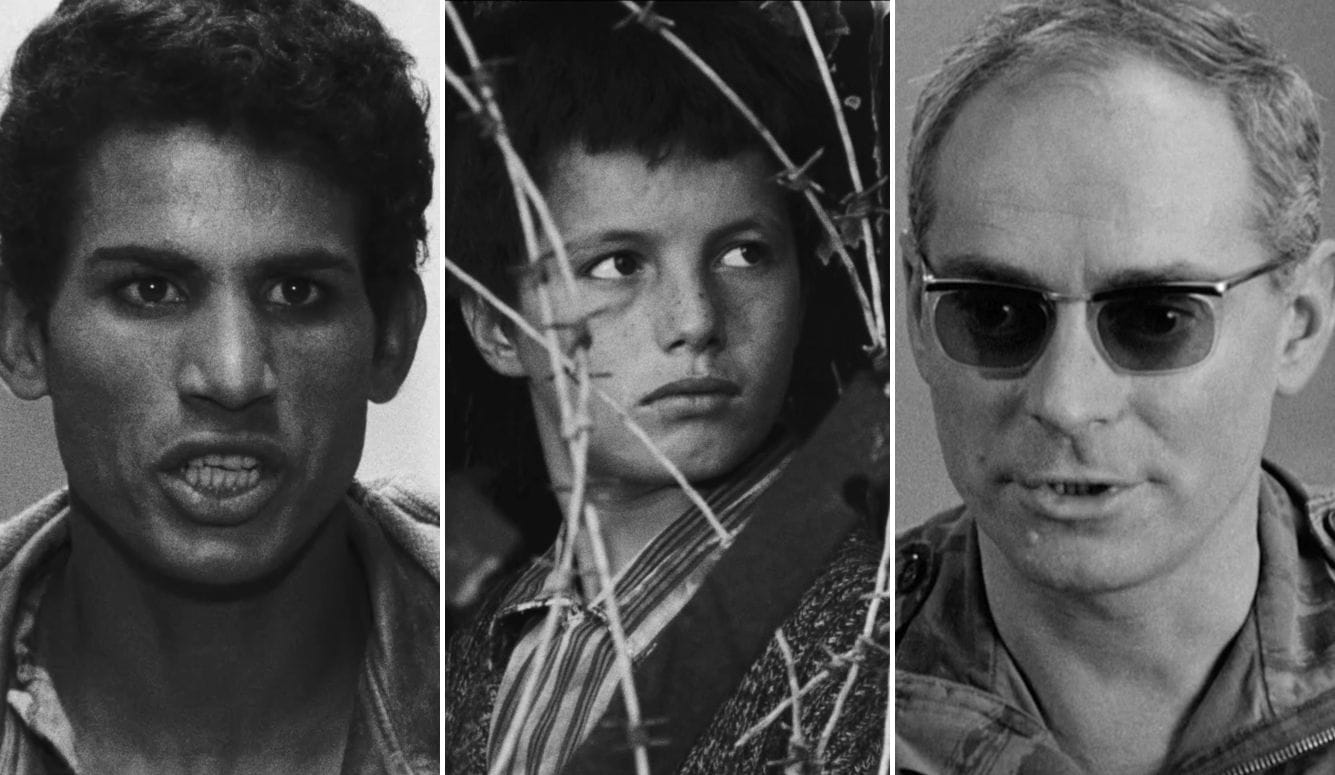
Sixty Years of 'The Battle of Algiers' and the Myth of the Autism Epidemic
Exploring the legacy of 'The Battle of Algiers' at 60, the misconceptions around autism as an epidemic, and the limitations of net zero in addressing climate change.
Claire's Weekly Letter: The autism epidemic that wasn't
The debate over the so-called "autism epidemic" has resurfaced as new research challenges long-held assumptions about rising autism rates in the Unite...
To End the Iran War, We Must Look Beyond Munich
The United States' confrontation with Iran has reached a critical juncture, with growing concerns that economic sanctions and military posturing could esca...

How Irish Parents Can Support Their Kids Through College Transition

One criminal arrested after gunfight with police in Patna; two officers injured

Why Israelis Abroad Must Retain Their Voting Rights

Parents Urged to Ensure Children Are School-Ready Before Starting Junior Infants