Humanitarian crisis worsening in refuge for civilians fleeing Sudan’s civil war
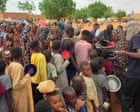
Humanitarian conditions in the Sudanese city of El Obeid and two surrounding camps are worsening as tens of thousands of civilians flee ongoing violence between Sudan’s military and the Rapid Support Forces (RSF). Since mid-July, over 15,000 additional families have arrived in the city and its outskirts, joining more than 200,000 internally displaced people (IDPs) who reached the area earlier in the year, according to government figures cited by Save the Children.
The United Nations reports that El Obeid, the capital of North Kordofan province, is now severely overcrowded. New arrivals, many arriving on foot with little more than the clothes they wear, face extreme shortages of food, shelter, and medical aid. Humanitarian volunteer Maryam, whose name has been changed for safety, described the situation as increasingly dire. “The situation is very harsh and is deteriorating as El Obeid is receiving IDPs on a daily basis,” she said. “The city is shockingly overcrowded. They suffer from a shortage of food and they definitely arrive traumatised.”
The rapid influx has overwhelmed local resources. Satellite analysis by the Yale Humanitarian Research Lab found 800 new tents appeared in one camp between August 4 and 25. Paul Byars, Sudan country director for the Danish Refugee Council, recently visited the area and confirmed the scale of displacement. “During my visit, I saw 450 arrivals coming from the surrounding villages just that morning,” he said. “The authorities’ estimates are correct, that 85% of them are women and children. Most of the men are staying behind because this is the only time for farming.”
The current crisis stems from Sudan’s civil war, which began on April 15, 2023, in Khartoum, after a power struggle between the Sudanese Armed Forces (SAF) and the RSF escalated into full-scale conflict. More than 11.3 million people have been displaced across Sudan, with parts of North Kordofan now at risk of famine. Civilians continue to flee violence, including drone strikes, which have become a dominant feature of the war. According to conflict monitor Acled, drone-related incidents now account for half of all violent events in Sudan, up from just 4% at the start of the war.
Recent weeks have seen a decline in drone strikes on El Obeid, but threats remain. In June, a surge in attacks prompted UN warnings of a potential repeat of the RSF assault on El Fasher in October 2025, where thousands were killed during a two-day siege. Though the SAF reclaimed a key road to Khartoum in late July, easing siege fears, sporadic strikes still claim civilian lives. Local volunteers have reported an increase in “double-tap” strikes, where a second drone targets rescuers after the initial attack.
Food prices have also surged due to disrupted supply lines and ongoing insecurity. In North Kordofan, the cost of groundnut oil rose to 17,000 Sudanese pounds (approximately £21) in July, up from 13,000 in June and 7,700 a year ago. Staples like wheat flour and goat meat have more than doubled in price over the past year. Meanwhile, essential services remain crippled. Médecins Sans Frontières emergency coordinator Esperanza Santos reported that El Obeid’s water infrastructure is severely damaged and repairs have been slow. “The main problem is the big water source in the north of the city has been severely damaged and has not been repaired,” she said. “The water pipes in the city have also been impacted.”
Sanitation conditions in IDP camps are also critical. Santos noted a severe shortage of latrines, with over 100 people sharing each facility, leading to open defecation and heightened health risks. Despite these challenges, local volunteers like Maryam continue their work. “The situation is deteriorating, but we are trying to stay together, to stay strong in the face of the drone attacks and the influx of IDPs,” she said. “We are living with this and we hope things will become better.”
#SudanCrisis #ElObeid #RSF #SAF #NorthKordofan #HumanitarianEmergency #IDPs #CivilWar
Comments (0)
No comments yet — be the first to weigh in.

Brighton swimmers protest sewage pollution as water quality alarms rise
Swimmers in Brighton decry worsening sea pollution from sewage leaks, with South West Water facing scrutiny over England's poorest environmental record and public health risks.

PC Andrew Harper’s killers will stay in prison as Burnham changes early release scheme
PC Andrew Harper’s killers will remain imprisoned after UK Prime Minister Andy Burnham altered early release plans, responding to public outrage over the potent...

Madrid’s €6.3m penthouse row: Ayuso faces scrutiny over temporary office purchase
Madrid’s regional president Isabel Díaz Ayuso faces growing calls for transparency over a €6.3m penthouse purchase, initially claimed as a temporary office but later revealed as a residential property.

A lone Black woman’s defiance of Swedish neo-Nazis, 10 years on
Tess Asplund, a Swedish activist, still remembers the day she stood alone against hundreds of neo-Nazis in Borlänge a decade ago. The powerful image of her rais...


Vice President Radhakrishnan urges Kerala to deepen rivers to curb floods
Brighton swimmers protest sewage pollution as water quality alarms rise
Israeli Settlers Gain Foothold in West Bank's Area B With State Support
