Go for it
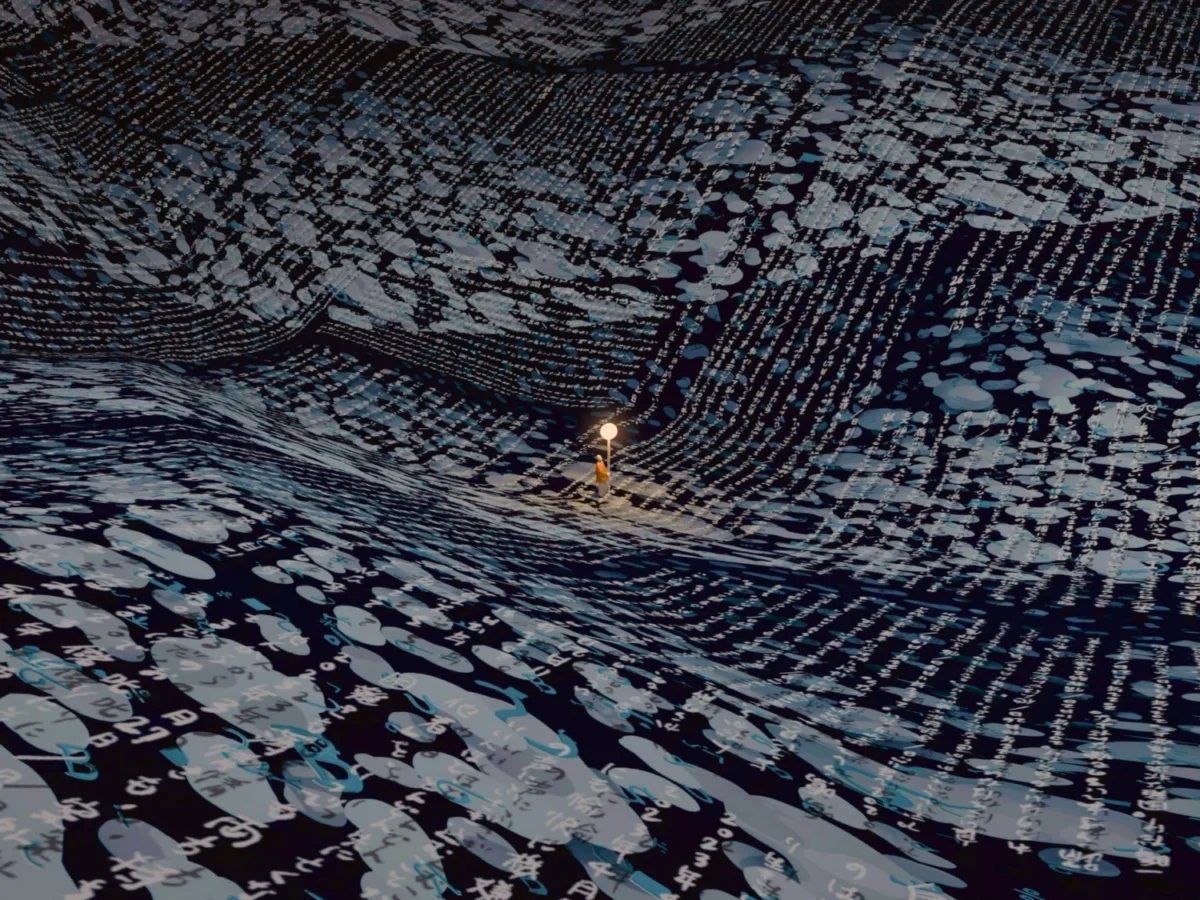
Yuto, a young man from Tokyo, returned to his grandmother's home in rural Iwate, a journey that sparked reflections on happiness, choice, and the folklore of the zashiki-warashi, a child spirit said to bring good fortune.
Upon arriving at the station, Yuto was greeted by three statues of kappa, water sprites known in Japanese folklore. The statues, perched on boulders in a pond, seemed to be engaged in conversation, evoking images of salarymen unwinding after work. This encounter set the stage for Yuto's introspective journey.
Yuto's visit was precipitated by a conversation with his friend Keita, who had suggested they visit the house to assess its suitability for a potential date with his girlfriend. The suggestion led to a discussion about Yuto's own relationship, during which Keita probed Yuto's intentions and plans for the future. Keita mentioned his consideration of an engagement ring, a topic that left Yuto at a loss for words.
Upon returning to his Tokyo apartment, Yuto received a call from his mother, who expressed her concern about his infrequent visits to see his grandmother. His mother had taken it upon herself to arrange a visit for him, a decision that Yuto initially resisted but eventually accepted.
Yuto's reluctance to visit his grandmother stems from a mix of reasons. He admits to not getting along with her poorly, though he maintains a distant relationship through traditional New Year's greetings and gifts. He also expresses discomfort with the rural lifestyle and the gossip that comes with it. His avoidance of the visit was further solidified by the aftermath of the great earthquake, which left him unable to face the potential distress of seeing his grandmother's situation firsthand.
Upon arriving at his grandmother's house, Yuto sends a message to his girlfriend, Hiroka, informing her of his location. Her response is terse, and Yuto finds himself attempting to placate her through a series of messages. Her lack of response leaves him with a sense of unease.
As Yuto travels to Iwate, he observes the various passengers on the train, a cross-section of Japanese society. He contemplates his own life and future, unable to imagine himself in the roles of a father or an elderly traveller with a group of friends.
Yuto's journey to his grandmother's house, both physically and metaphorically, serves as a catalyst for him to confront his own feelings of discontent and to consider the courage it takes to move towards the life he once wished for. His encounter with the kappa statues at the station serves as a reminder of the folklore that has shaped his understanding of happiness and good fortune, and the role that attention, reciprocity, and choice play in achieving it.
Comments (0)
No comments yet — be the first to weigh in.
Related Coverage
 Entertainment
Yayoi Kusama’s Death Signals a Kind Fall for Art and Humanity
Hyperallergic reflects on the passing of Yayoi Kusama, Dolly Parton, and Sliman Mansour, while exploring loneliness, AI, and art's role in a changing world.
 Entertainment
Tessa Hulls on Her Graphic Memoir 'Feeding Ghosts' on Longform Podcast #571
Writer and artist Tessa Hulls discusses her graphic memoir Feeding Ghosts and the project she spent her life avoiding, on Longform Podcast #571.
 Entertainment
Derek Thompson on Longform Podcast: Solving Life's Mysteries Through Writing
Derek Thompson, Atlantic staff writer and Plain English host, discusses his career as a 'dilettante' and love for uncovering mysteries in his Longform Podcast interview.
 Entertainment
Rozina Ali on Longform Podcast #573 Discussing Her Career and Reporting
Rozina Ali, a New York Times Magazine writer and National Magazine Award winner, joins the Longform Podcast to discuss her career and latest reporting.
Most Read
Ian Frazier and Samy Burch Discuss 'Coyote vs. Acme' in The New Yorker

Latin America Energy Storage Forecast Jumps to 34 GW by 2035: Wood Mackenzie


Tarkowski strikes late to rescue point for Everton at Bournemouth
