Fossil Fuel Giants Spend $17M to Block California Climate Laws
Oil and gas companies spent over $17 million lobbying against California climate and worker-safety bills in early 2026, per environmental group analyses.
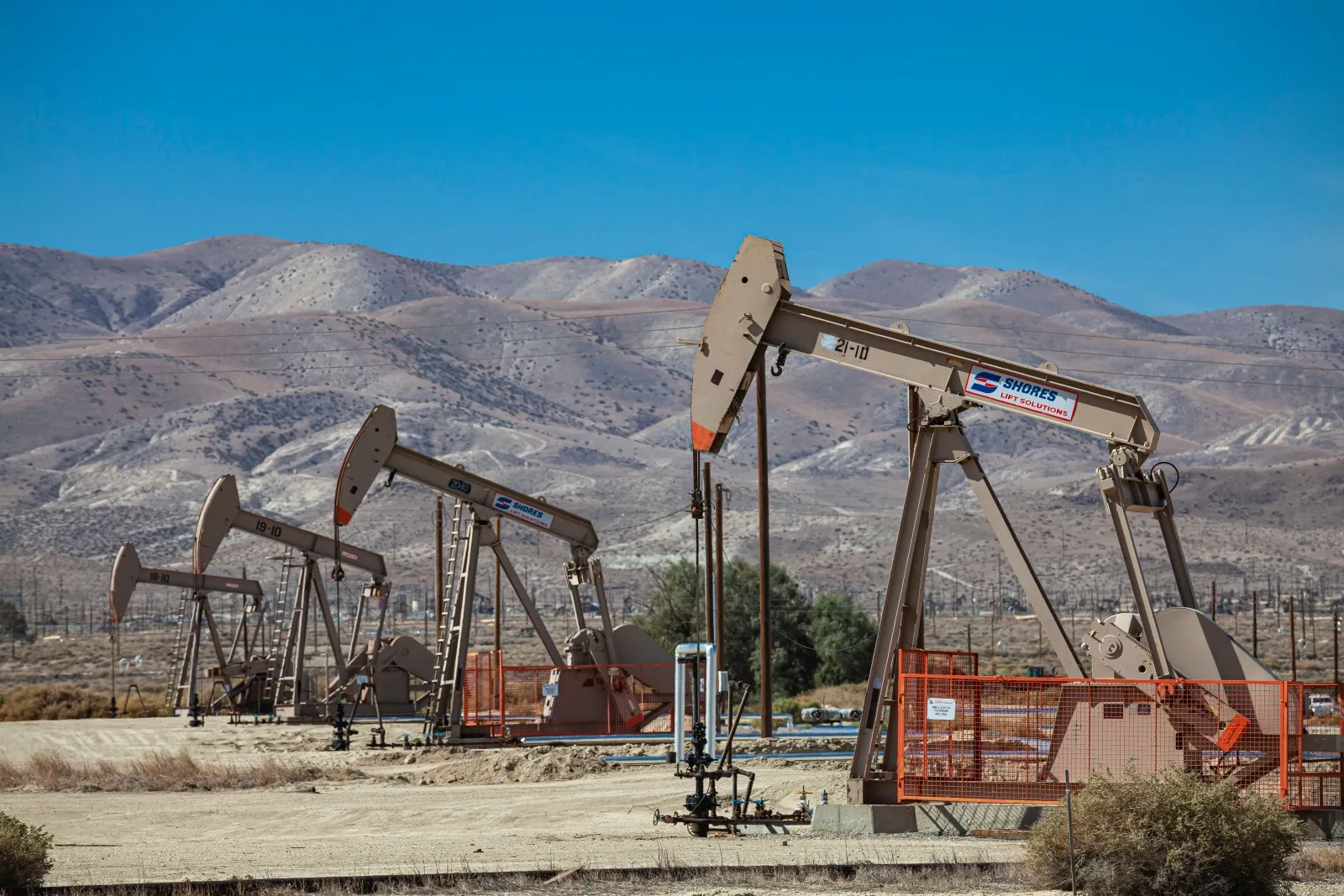
The fossil fuel industry has spent record amounts to block climate and worker-safety regulations in California, according to a new analysis by the Last Chance Alliance, an environmental coalition. Between January and June 2026, oil and gas companies poured over $17 million into lobbying efforts in the state—including $10.3 million in the first quarter alone, a new high for the sector. Much of this spending targeted bills aimed at increasing accountability, such as requiring companies to help fund recovery from climate-fueled disasters, improving workplace safety, and enforcing stricter cleanup reporting during project decommissioning.
Faraz Rizvi, policy director for the Asian Pacific Environmental Network, criticized the industry’s aggressive opposition to these measures. “They’re not actors that have consumers’ or communities’ interests at heart,” he said. The data, pulled from mandatory state filings, shows the Western States Petroleum Association leading lobbying spending with $4.3 million, followed by Chevron at $3.7 million and Phillips 66 at over $500,000. Some funds were channeled through front groups like Californians for Energy Independence, which present themselves as grassroots organizations but are backed by fossil fuel interests.
One major focus of the industry’s lobbying was California’s cap-and-invest program, a cornerstone of the state’s climate strategy. The program requires companies to purchase permits for their emissions, with the number of permits declining each year to reduce pollution. Earlier in 2026, oil and gas interests successfully lobbied regulators to allow a large pool of free pollution permits, a move that could divert billions from public transit and housing programs. Environmental groups and some lawmakers have challenged the decision in court. The sector also opposed a bill to extend the Displaced Oil and Gas Workers Fund, a $30 million program that has already helped over 600 workers transition to new careers.
Other targeted bills included measures to strengthen staffing standards at refineries, prevent companies from abandoning leaking oil wells, and enhance safety rules for offshore pipelines. One bill would have required companies to submit formal retirement plans before closing refineries, following concerns over the closure of a Phillips 66 facility in Los Angeles County. Despite these efforts, several bills have already been defeated, including measures to stabilize gas supplies and hold fossil fuel companies accountable for wildfire damages through lawsuits.
The industry’s lobbying success comes amid soaring profits. Chevron reported $12 billion in second-quarter earnings, nearly five times its 2025 total, while Exxon Mobil’s profits more than doubled year-over-year. Industry leaders attribute earnings growth to global supply disruptions linked to the U.S.-Israel conflict with Iran, though company executives have also pointed to California’s energy policies as a factor in high gas prices. Chevron, Phillips 66, and Californians for Energy Independence declined to comment.
Environmental advocates argue that reducing Big Oil’s influence in Sacramento is critical. Ryan Schleeter of The Climate Center called for cutting public subsidies—including free allowances under the cap-and-invest program—and closing tax loopholes that allow companies to underreport earnings in California. Hollin Kretzmann of the Center for Biological Diversity Action Fund described the legislative session as a “huge missed opportunity,” emphasizing that the state’s climate goals depend on meaningful policy progress. He and others are pushing for stricter limits on lobbying spending and access to lawmakers to ensure California’s laws reflect public priorities over industry interests.
#FossilFuelLobbying #CaliforniaClimatePolicy #OilIndustrySpending #CapAndInvest #WorkersFund #EnvironmentalLegislation #BigOilProfits
Comments (0)
No comments yet — be the first to weigh in.
Related Coverage
 Environment
Top Chinese Solar Firms Report H1 2026 Losses Amid Market Challenges
Major Chinese solar manufacturers including JinkoSolar, Canadian Solar, and Trina Solar report first-half 2026 losses due to weak demand and price pressures, despite shifts toward energy storage.
 Environment
China Faces Stalled PV Consolidation as Overcapacity Persists
China’s solar module sector struggles to trim excess capacity amid weak domestic demand and geopolitical pressures, with government measures yet to curb losses.
 Environment
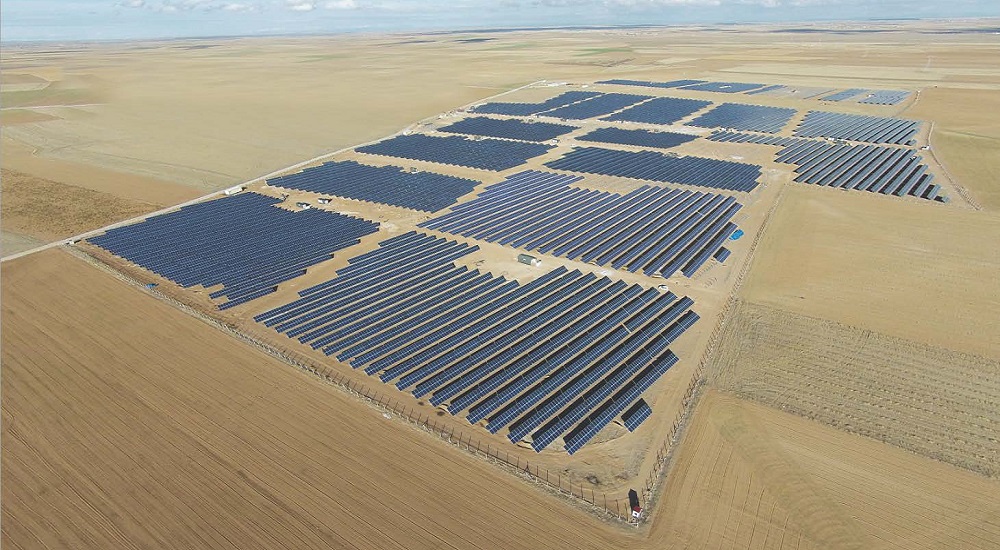
Machine Learning Boosts Irradiance Prediction for Bifacial Solar Panels
Research from Selçuk University compares machine learning models to improve plane-of-array irradiance predictions for bifacial photovoltaic systems using NREL field data.
 Environment
Europe’s solar resource surplus continues before late-August cloud shift
Europe’s solar resource surplus persisted across much of the continent in August 2026, with global horizontal irradiance averaging 5% above the 2007–2025 norm,...
Most Read
Kacey Musgraves: How Country-Pop Crossover Shaped Modern Americana
Top Chinese Solar Firms Report H1 2026 Losses Amid Market Challenges

Aisha Wahab Defeats AIPAC-Backed Challenger to Win Historic Seat in Congress

Hull City's Perfect Premier League Start: Two Wins in Two Games, Historic Feat