Climate Crisis Drives Deadly Nepal-Tibet Floods: Urgent Action Needed
Catastrophic floods in Nepal and Tibet highlight the devastating cost of climate inaction. Global warming intensifies disasters, disproportionately affecting vulnerable nations like Nepal.

Nepal and Tibet are reeling from a catastrophic flash flood that tore through valleys along the Lhende Khola, Bhotekoshi, and Trishuli rivers on August 26, killing hundreds and leaving many more missing. The disaster, triggered by a glacial collapse in the Himalayas, has highlighted the urgent need for stronger climate adaptation measures and cross-border cooperation between Nepal and China.
The sudden flood, described as a wall of ice, water, rock, and mud, destroyed homes, markets, bridges, roads, and hydropower infrastructure in both Nepal and Tibet. Authorities are still investigating the exact cause, but preliminary assessments suggest a glacial collapse led to an ice-rock avalanche and debris flow, temporarily blocking the river before a massive surge traveled downstream. The event occurred so rapidly that upstream hydrological stations were destroyed before they could trigger an alert, exposing the limitations of existing early warning systems.
“The monitoring infrastructure did not simply fail to communicate the warning. It was destroyed before it could see the flood coming,” said Sunil Acharya, an international climate policy and just transition specialist based in Kathmandu. The disaster underscores how quickly hazards can cascade in a warming mountain environment, where glaciers are retreating and permafrost is thawing due to rising temperatures.
Nepal has long called for greater international support to adapt to climate change, including early warning systems, mountain monitoring, and resilient infrastructure. However, the country’s efforts are often hindered by a lack of financial resources, despite contributing minimally to global greenhouse gas emissions. Nepal’s per-capita emissions remain among the lowest in the world, yet it bears the brunt of climate-induced disasters.
Experts argue that adaptation has its limits and that the primary responsibility lies with wealthy nations that have historically contributed most to the climate crisis. “The countries that benefited most from decades of fossil fuel-driven growth have a particular responsibility to cut emissions rapidly,” Acharya wrote. He also emphasized the need for historical polluters to provide loss and damage finance to vulnerable nations like Nepal, which are disproportionately affected by climate disasters.
The cost of the flood is not just economic—it is measured in lives lost, livelihoods destroyed, and public funds diverted from education and health to recovery efforts. Nepal has repeatedly urged developed countries to compensate for climate-related damages, but access to such funds remains limited. Loss and damage finance must be additional to existing aid, grant-based, and not a substitute for mitigation efforts.
As the Himalayas continue to change rapidly, the global response must prioritize both emissions reductions and financial support for adaptation. Without immediate action, communities along vulnerable river corridors face an increasingly uncertain future.
#NepalFlood #ClimateCrisis #HimalayanDisaster #GlacialOutburst #LossAndDamage #ClimateJustice #Kathmandu #China
Comments (0)
No comments yet — be the first to weigh in.
Related Coverage
 Environment
Top Chinese Solar Firms Report H1 2026 Losses Amid Market Challenges
Major Chinese solar manufacturers including JinkoSolar, Canadian Solar, and Trina Solar report first-half 2026 losses due to weak demand and price pressures, despite shifts toward energy storage.
 Environment
China Faces Stalled PV Consolidation as Overcapacity Persists
China’s solar module sector struggles to trim excess capacity amid weak domestic demand and geopolitical pressures, with government measures yet to curb losses.
 Environment
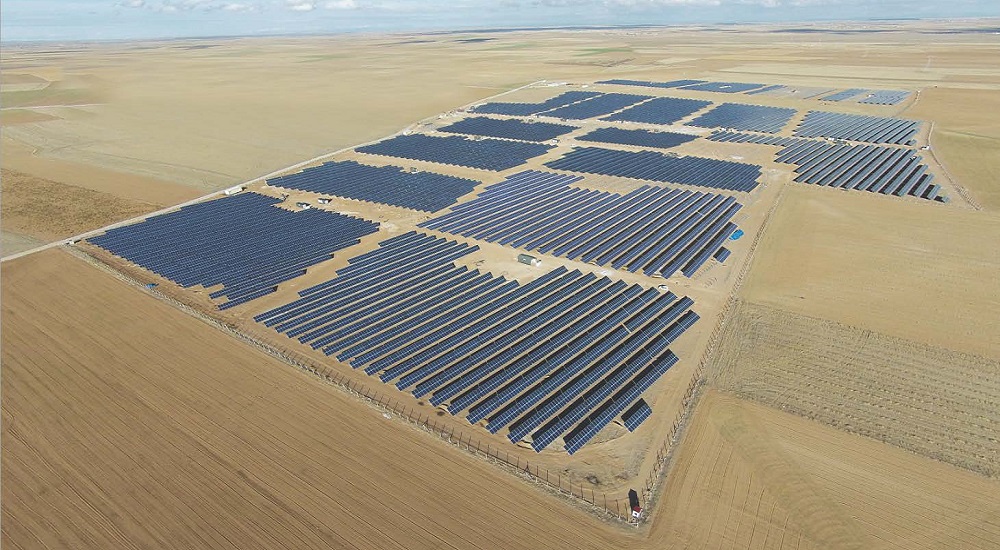
Machine Learning Boosts Irradiance Prediction for Bifacial Solar Panels
Research from Selçuk University compares machine learning models to improve plane-of-array irradiance predictions for bifacial photovoltaic systems using NREL field data.
 Environment
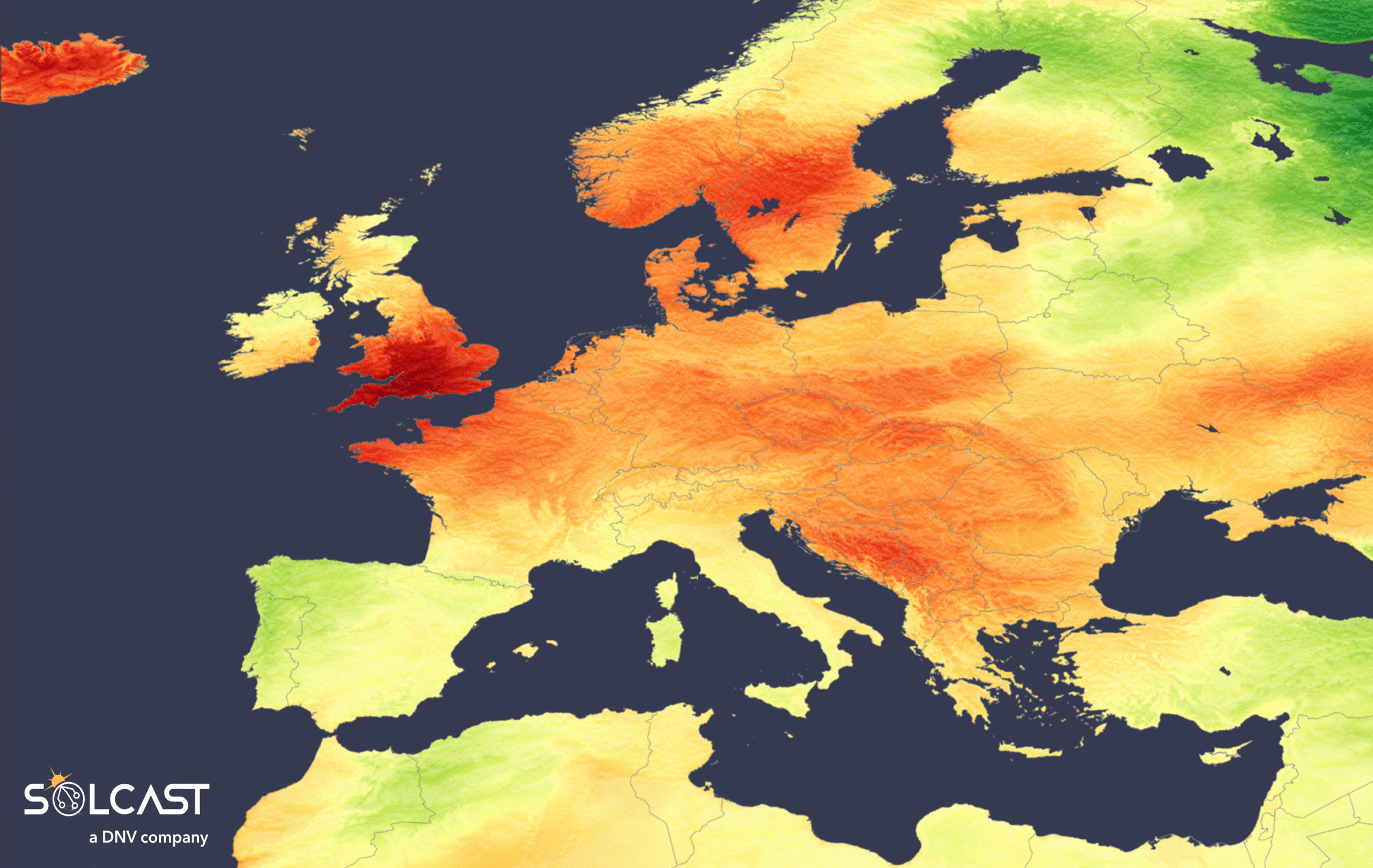
Europe’s solar resource surplus continues before late-August cloud shift
Europe’s solar resource surplus persisted across much of the continent in August 2026, with global horizontal irradiance averaging 5% above the 2007–2025 norm,...
Most Read
Kacey Musgraves: How Country-Pop Crossover Shaped Modern Americana
Top Chinese Solar Firms Report H1 2026 Losses Amid Market Challenges

Aisha Wahab Defeats AIPAC-Backed Challenger to Win Historic Seat in Congress

Hull City's Perfect Premier League Start: Two Wins in Two Games, Historic Feat