Why Dictators Purge Their Inner Circle: Power, Survival, and Accountability
Explore why authoritarian leaders purge their inner circles, balancing power and accountability. A new book by Edward Goldring analyzes elite purges in modern dictatorships.
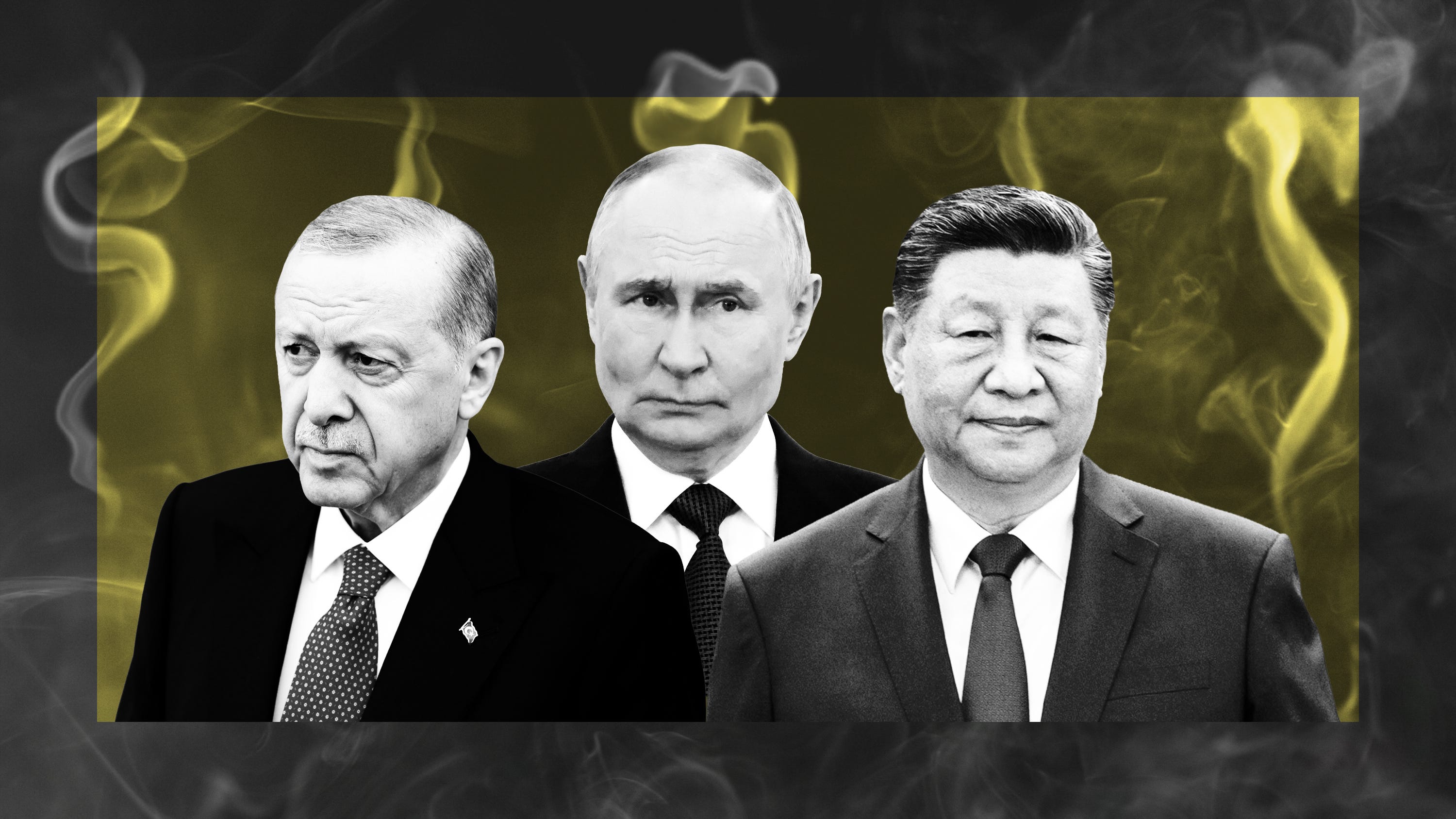
Why authoritarian leaders purge their inner circles
Political scientist Edward Goldring examines the motivations and methods behind purges in modern authoritarian regimes in his new book *Purges: How Dictators Fight to Survive*. Published by Cornell University Press, the work analyzes why leaders from Moscow to Pyongyang remove, demote or eliminate top officials and how these actions affect regime stability.
Goldring, a lecturer at the University of Melbourne, argues that dictators purge elites primarily to increase their own power within the regime or to hold officials accountable for perceived disloyalty or incompetence. His analysis draws on a new dataset covering elite purges across 25 years of post-Cold War authoritarian rule. The data show that nearly 15% of such regimes purge at least one military or political elite in any given year, with the rate rising to 25% for new leaders.
The book identifies three types of elite purges. Consolidation purges occur early in a leader’s tenure and target potential rivals to strengthen control. As an example, Park Chung-hee removed rivals during the early years of his rule in South Korea. Punishment purges are retaliatory and often target military elites suspected of disloyalty, such as Saddam Hussein’s 1995 removal of Iraq’s defense minister. Scapegoating purges blame civilian officials for policy failures, as when China’s Hu Jintao dismissed the health minister following the 2003 SARS outbreak.
Goldring distinguishes elite purges—removing top officials—from broader repression of lower-ranking personnel. His dataset excludes mass purges of rank-and-file military or party members, focusing instead on high-level removals within the ruling coalition. He finds that purges are rare in any single year but recur at key moments: during early consolidation and later stages of a regime’s life cycle.
The book highlights the risks involved in purging military leaders, who possess the means to challenge the regime. Goldring’s data suggest that early purges of potentially disloyal generals are more effective than late-stage removals, which often coincide with succession crises. Successful early purges signal strength and eliminate would-be coup plotters before they act.
While the framework is strongest in explaining military purges, Goldring’s treatment of civilian purges is less precise. He categorizes most civilian removals as scapegoating, but distinguishing routine cabinet reshuffles from punitive purges remains conceptually challenging. The book notes that Vladimir Putin has conducted numerous high-level purges, including during the 2004 cabinet reshuffle and the 2024 wartime restructuring.
Goldring combines middle-range theory, quantitative data and paired case studies—most notably comparing North and South Korea—to build a nuanced explanation of authoritarian elite politics. His work underscores that purges are a consistent feature of non-democratic rule, though they remain relatively infrequent within individual regimes.
#AuthoritarianPurges #RegimeSurvival #EdwardGoldring #PoliticalScience #UniversityOfMelbourne #CornellUniversityPress #NorthKorea #SouthKorea
Comments (0)
No comments yet — be the first to weigh in.
Related Coverage
 Politics
Headlines for August 26, 2026
Iran has resumed talks with Oman about managing the Strait of Hormuz while tensions in the region remain high, despite economic pressure from the United States....
 Politics
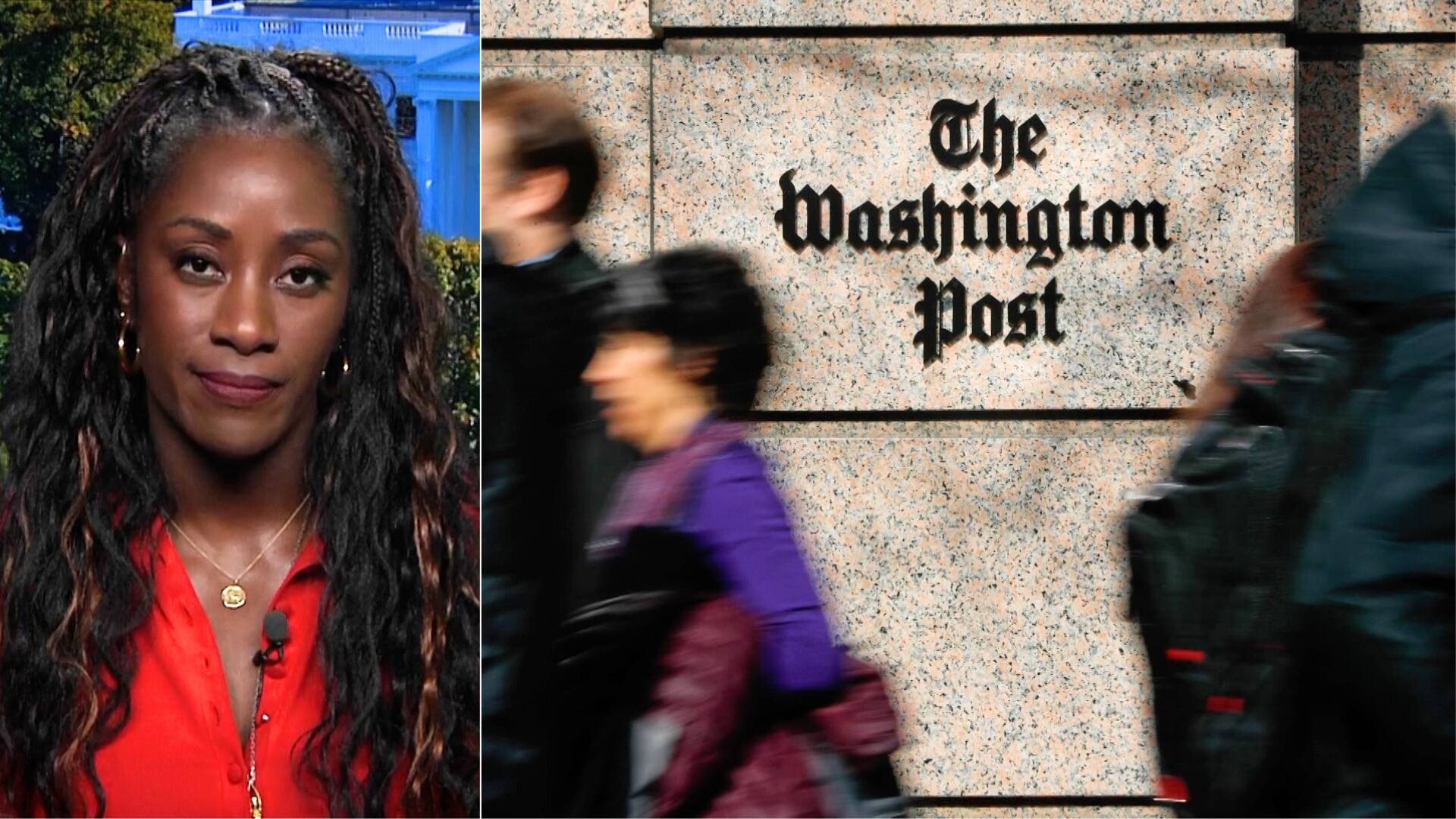
Karen Attiah Wins Reinstatement at Washington Post After Arbitration Victory
Award-winning Washington Post columnist Karen Attiah has been reinstated with back pay after an arbitrator ruled in her favor following her controversial firing over social media posts about Charlie Kirk.
 Politics
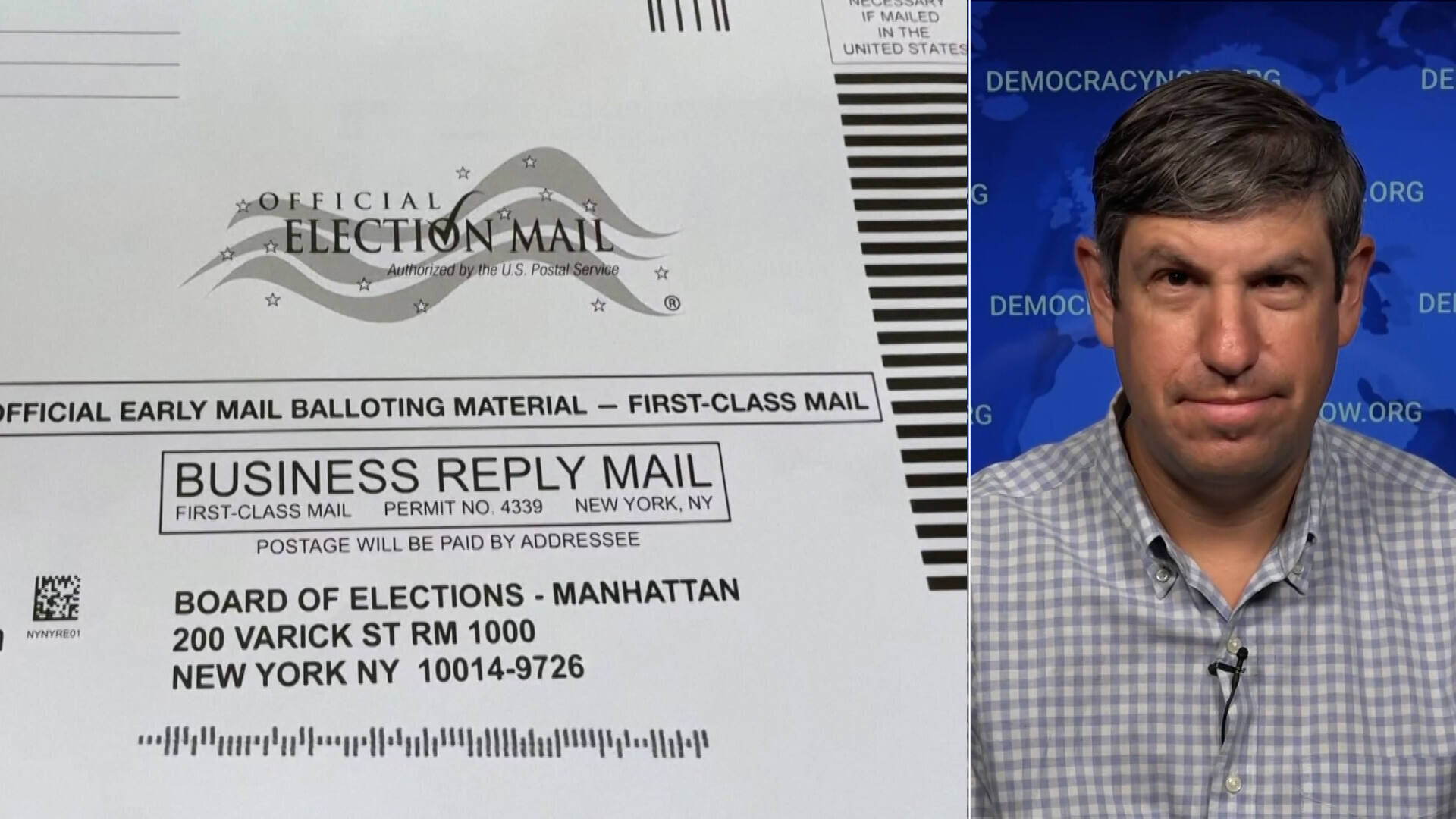
Supreme Court Allows Trump’s Mail-In Voting Restrictions to Proceed: What It Means for Midterms
The Supreme Court’s 6-3 decision lifts an injunction on Trump’s executive order restricting mail-in voting, raising concerns over potential voter disenfranchisement ahead of the midterm elections.
 Politics
Robert Reich Warns Most Americans Are Getting Poorer Despite Stock Market Highs
Economist Robert Reich criticizes Treasury Secretary Scott Bessent's dismissal of the K-shaped economy, arguing wage stagnation and inflation are worsening inequality.
Most Read
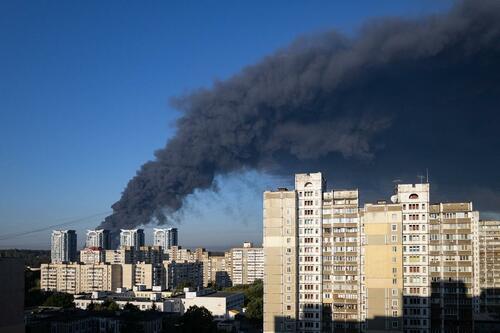
Russian Drone Strike on Kiev Ammo Depot Kills 37, Sparks Evacuations

At least 37 dead and hundreds evacuated after strike on Kyiv warehouse
Ian Frazier and Samy Burch Discuss 'Coyote vs. Acme' in The New Yorker

Latin America Energy Storage Forecast Jumps to 34 GW by 2035: Wood Mackenzie