Wall Street’s Nonprofits Use Selective, Opaque Logic to Defund Charities

**Wall Street-Affiliated Donor Funds Freeze Contributions to Nonprofits Amid Legal Scrutiny**
Three major donor-advised fund sponsors—Vanguard Charitable, Fidelity Charitable, and Charles Schwab’s DAFgiving360—have blocked contributions to the Southern Poverty Law Center (SPLC) following its federal indictment on fraud charges, raising concerns about transparency and consistency in how such decisions are made.
The SPLC, a prominent civil rights organization, has not been convicted, nor has the IRS revoked its tax-exempt status. However, the three financial firms, which manage billions in charitable assets, have refused to explain their actions fully, leaving the SPLC and other affected nonprofits in the dark about the criteria for reinstatement.
Donor-advised funds (DAFs) have grown rapidly in recent years, now holding over $327 billion in assets as of 2024. These accounts allow donors to contribute funds, receive immediate tax deductions, and later recommend grants to charities. While donors advise on distributions, the sponsoring organizations retain legal control and can reject requests at their discretion.
Vanguard Charitable pauses payments when an organization faces formal charges, while Fidelity Charitable and DAFgiving360 state they "may" or "might" halt donations if a nonprofit is under government investigation. However, an investigation by ProPublica found inconsistencies in how these policies are applied.
Despite freezing donations to the SPLC, Fidelity Charitable and DAFgiving360 have continued processing grants to other organizations under government scrutiny, including hospitals, universities, charter schools, and even a white nationalist group. The sponsors maintain that their decisions are viewpoint-neutral, though ProPublica found no evidence of partisan bias.
Most affected nonprofits report receiving little to no explanation from the sponsors. The SPLC, which has received $20 million from the three firms over the past three years, remains uncertain about the reasons for the freeze or whether it can regain eligibility.
Legal experts warn that such actions could set a dangerous precedent, particularly under an administration that has targeted nonprofits with politically charged investigations. Since 2025, Republican lawmakers have launched over 135 probes into nonprofits, often alleging foreign influence, terrorism ties, or ideological bias.
Samuel Brunson, a Loyola University Chicago law professor, noted that even if investigations are legitimate, the same tools could be misused to suppress organizations without due process. "This is potentially a way that a hostile legislator could harm tax-exempt organizations without having to prove anything," he said.
The consequences for nonprofits can be severe. The SPLC stated that the freeze not only disrupts critical work but also risks chilling donor rights and organizational freedoms. Sixteen state attorneys general have similarly warned that such actions could enable politically motivated investigations to dismantle vital nonprofits.
Donors have also raised concerns. Dawn Piccolo, a retired Fidelity Investments executive with a long-standing DAF account, wrote to Fidelity Charitable questioning the SPLC freeze, noting that another charity under similar scrutiny had not been blocked. "The SPLC has not been found guilty of anything," she wrote. "Preemptively restricting donations under these circumstances sets a troubling precedent."
All three sponsors declined interview requests and detailed questions about their decision-making processes. Fidelity Charitable stated it does not comment on individual charity cases. DAFgiving360 said it communicates directly with donors when eligibility is affected but did not elaborate on its criteria. Vanguard Charitable described its pause as an "objective" measure, not a value judgment, and noted that fewer than 0.5% of donation recommendations are denied annually.
The lack of transparency has left nonprofits and donors with limited recourse, raising broader questions about the role of Wall Street-affiliated DAF sponsors in shaping American philanthropy.
Comments (0)
No comments yet — be the first to weigh in.
Related Coverage
 Politics
Headlines for August 26, 2026
Iran has resumed talks with Oman about managing the Strait of Hormuz while tensions in the region remain high, despite economic pressure from the United States....
 Politics
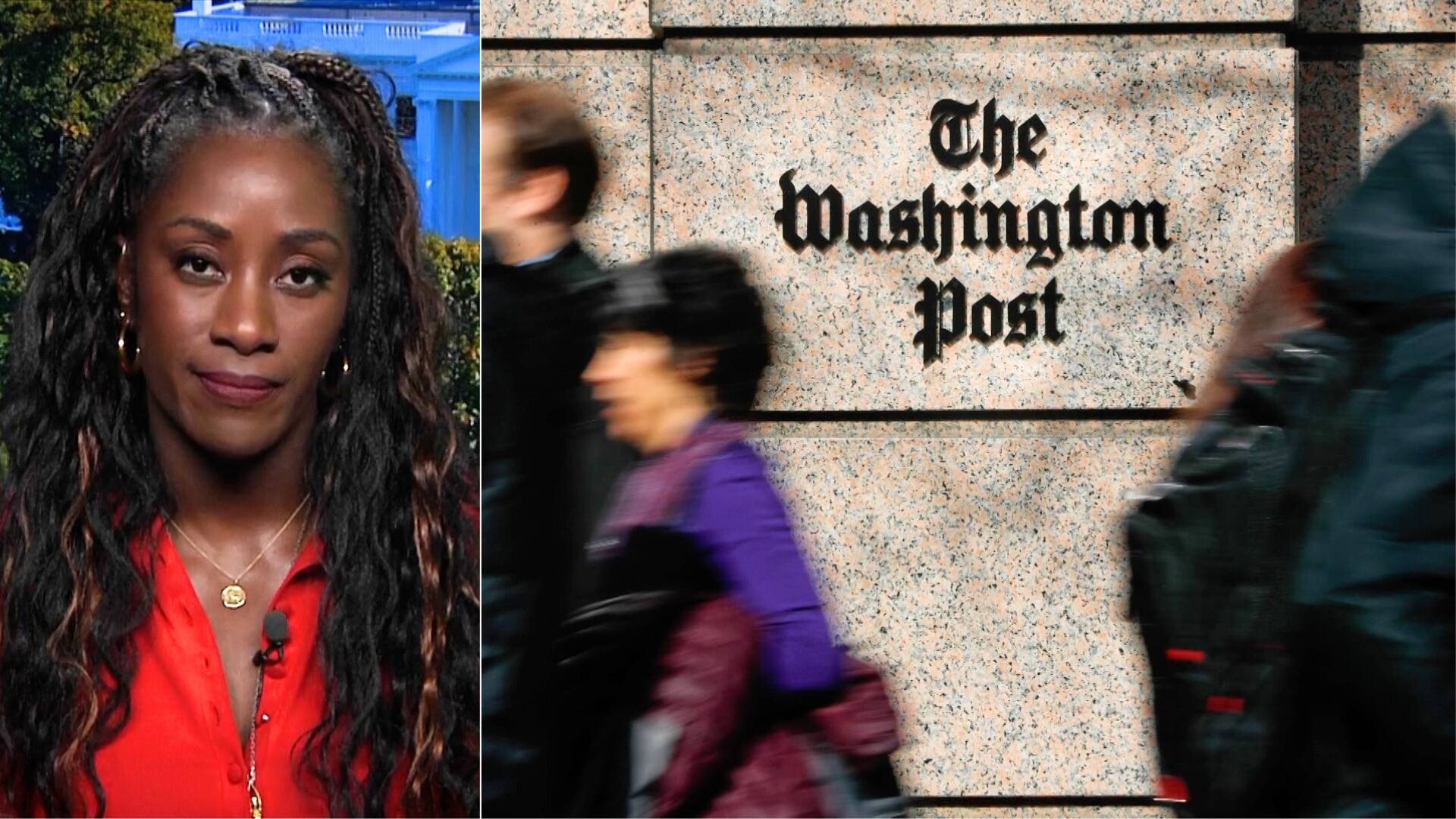
Karen Attiah Wins Reinstatement at Washington Post After Arbitration Victory
Award-winning Washington Post columnist Karen Attiah has been reinstated with back pay after an arbitrator ruled in her favor following her controversial firing over social media posts about Charlie Kirk.
 Politics
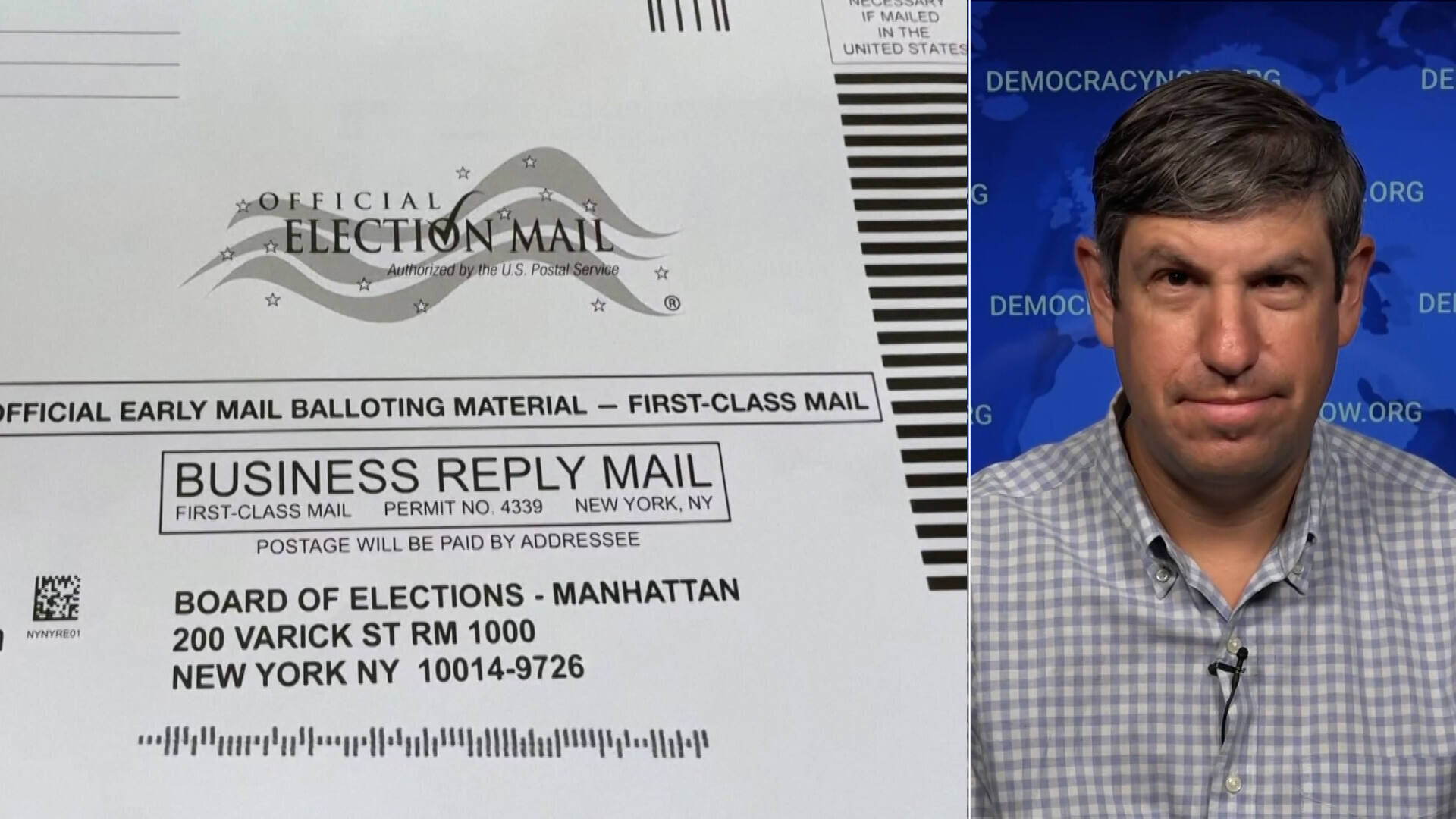
Supreme Court Allows Trump’s Mail-In Voting Restrictions to Proceed: What It Means for Midterms
The Supreme Court’s 6-3 decision lifts an injunction on Trump’s executive order restricting mail-in voting, raising concerns over potential voter disenfranchisement ahead of the midterm elections.
 Politics
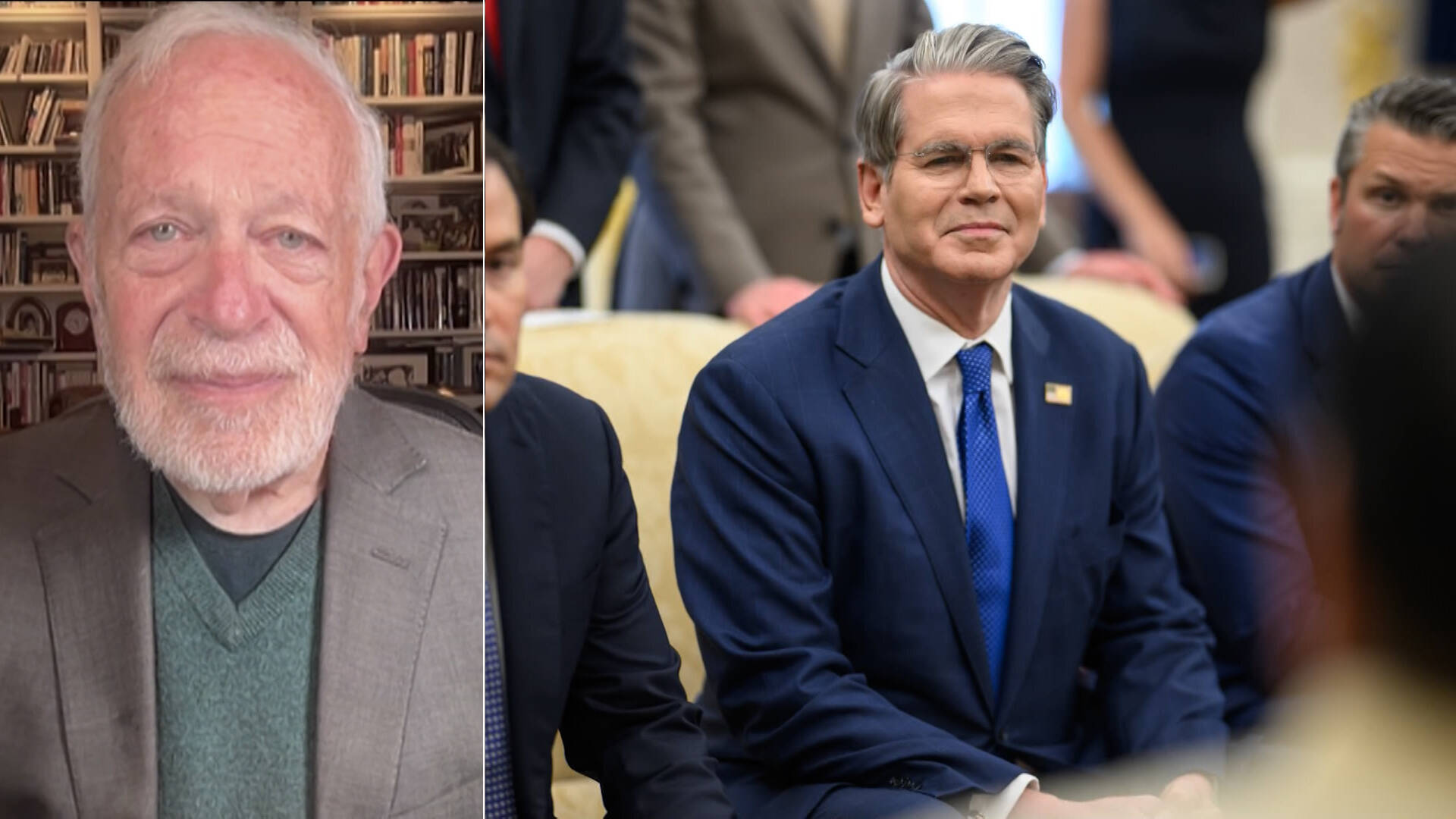
Robert Reich Warns Most Americans Are Getting Poorer Despite Stock Market Highs
Economist Robert Reich criticizes Treasury Secretary Scott Bessent's dismissal of the K-shaped economy, arguing wage stagnation and inflation are worsening inequality.
Most Read

At least 37 dead and hundreds evacuated after strike on Kyiv warehouse
Ian Frazier and Samy Burch Discuss 'Coyote vs. Acme' in The New Yorker

Latin America Energy Storage Forecast Jumps to 34 GW by 2035: Wood Mackenzie
