Voting Rights Groups Move to Block Newly-Finalized Mail Ballot Rule

Voting rights organizations filed an amended complaint and emergency motion today seeking to block a newly finalized U.S. Postal Service rule they argue would unlawfully restrict mail voting in the upcoming November elections.
The plaintiffs, including the League of Women Voters of Massachusetts and several civil rights groups, contend that the USPS rule violates constitutional separation of powers by overstepping federal authority in election administration. They also argue the regulation conflicts with existing postal service laws.
"USPS's decision to rush this blatantly unconstitutional rule into effect just weeks before an election is the latest step in a rollout that has sown confusion at every turn and now threatens to disenfranchise voters," said Sophia Lin Lakin, director of the ACLU's Voting Rights Project.
The legal challenge comes after a federal court previously blocked part of President Trump's executive order on mail voting, though the Supreme Court later stayed that injunction in a separate case. The current lawsuit specifically targets the USPS's newly finalized mail ballot rule, which plaintiffs say will cause irreparable harm with less than 70 days remaining until the midterm elections.
In their court filing, the organizations argue the USPS rule improperly centralizes election authority with the postal service rather than state election officials. They seek emergency relief to prevent implementation of the regulation before November 3.
The plaintiffs represent a coalition of voting rights groups including the League of Women Voters, Association of Americans Resident Overseas, U.S. Vote Foundation, and several civil rights organizations. Legal representation comes from the ACLU, Brennan Center for Justice, NAACP Legal Defense Fund, and other advocacy groups.
Earlier court rulings acknowledged potential constitutional concerns but found the original challenge premature. The amended complaint addresses this by specifically challenging the now-finalized USPS rule. Legal experts say the case raises novel questions about federal authority over election administration.
With midterm elections approaching, voting rights advocates argue the timing of the rule's implementation creates an imminent threat to voter access. The plaintiffs contend that allowing the rule to take effect would undermine confidence in the electoral process and disproportionately affect voters who rely on mail ballots.
The emergency motion requests the court to immediately block the USPS rule while the litigation proceeds. Legal observers note that similar challenges to election administration rules have succeeded in past election cycles when courts found violations of voting rights protections.
The case reflects ongoing legal battles over mail voting procedures that have intensified since the 2020 elections. While the current challenge focuses on federal authority, it occurs against a backdrop of state-level debates over voting access and election integrity measures nationwide.
Comments (0)
No comments yet — be the first to weigh in.
Related Coverage
 Politics
Headlines for August 26, 2026
Iran has resumed talks with Oman about managing the Strait of Hormuz while tensions in the region remain high, despite economic pressure from the United States....
 Politics
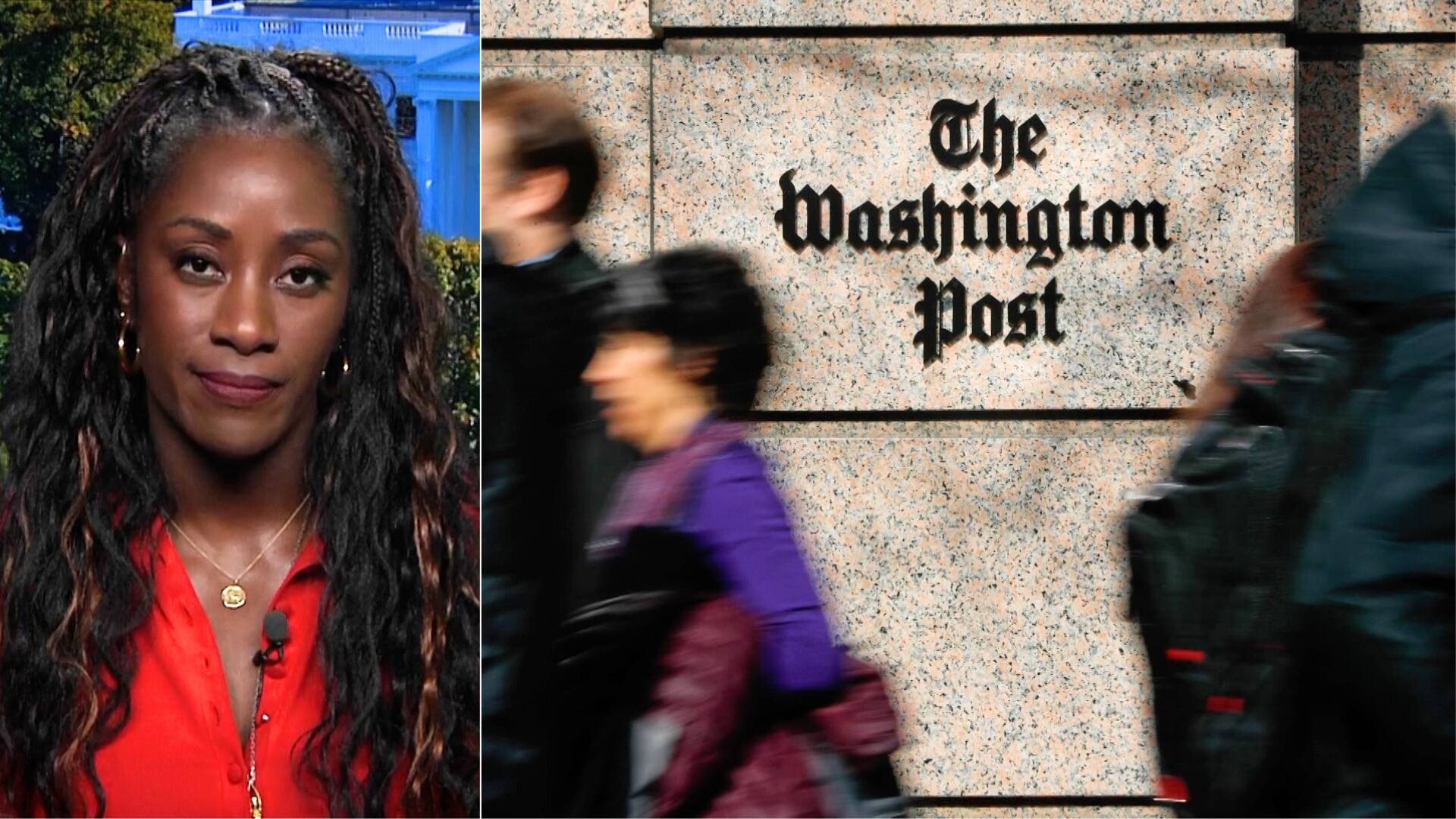
Karen Attiah Wins Reinstatement at Washington Post After Arbitration Victory
Award-winning Washington Post columnist Karen Attiah has been reinstated with back pay after an arbitrator ruled in her favor following her controversial firing over social media posts about Charlie Kirk.
 Politics
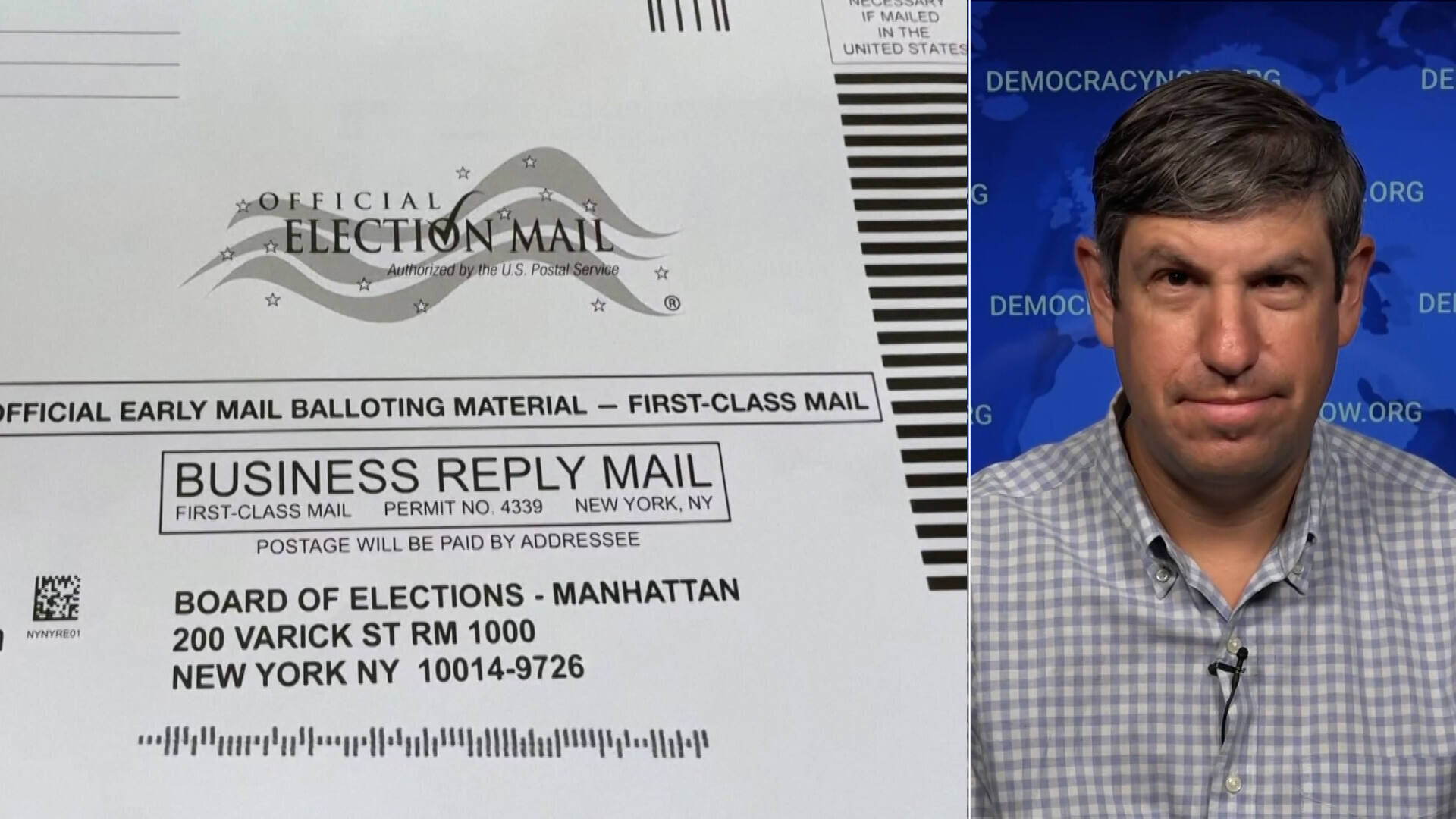
Supreme Court Allows Trump’s Mail-In Voting Restrictions to Proceed: What It Means for Midterms
The Supreme Court’s 6-3 decision lifts an injunction on Trump’s executive order restricting mail-in voting, raising concerns over potential voter disenfranchisement ahead of the midterm elections.
 Politics
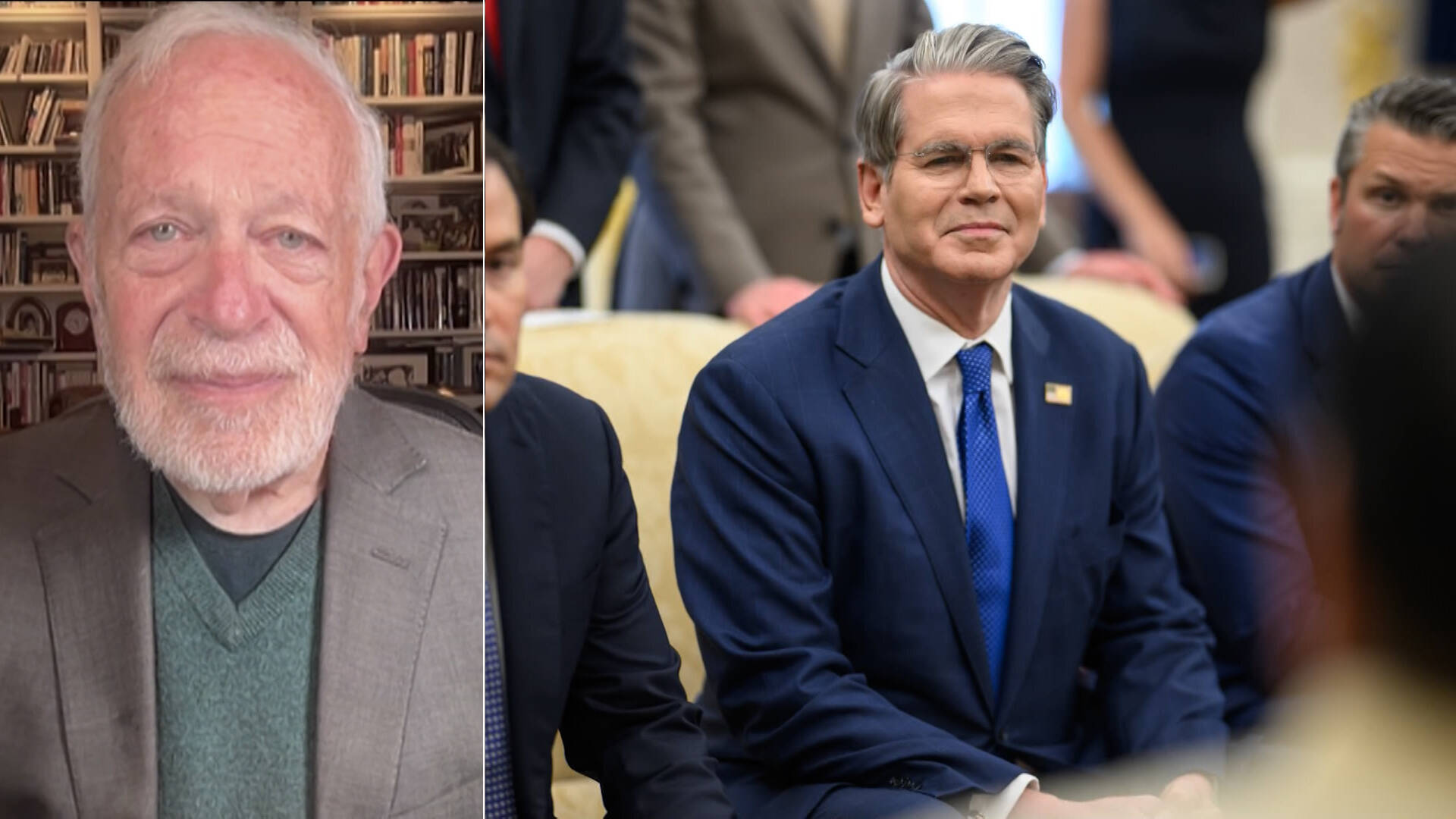
Robert Reich Warns Most Americans Are Getting Poorer Despite Stock Market Highs
Economist Robert Reich criticizes Treasury Secretary Scott Bessent's dismissal of the K-shaped economy, arguing wage stagnation and inflation are worsening inequality.
Most Read
Ian Frazier and Samy Burch Discuss 'Coyote vs. Acme' in The New Yorker

Latin America Energy Storage Forecast Jumps to 34 GW by 2035: Wood Mackenzie

Tarkowski strikes late to rescue point for Everton at Bournemouth
