USDA Proposes Gutting Forest Service Travel Rules, Sparking Outrage
The USDA's plan to revise the Travel Management Rule could open nearly 200 million acres of national forests to unrestricted motorized vehicle use, harming wildlife and public lands.

The U.S. Department of Agriculture has proposed significant revisions to the Travel Management Rule, which regulates motorized vehicle access on nearly 200 million acres of national forests and grasslands. The proposed changes would shift the current approach, requiring forests to explicitly close areas to motorized use rather than designating permitted routes.
Under the existing rule, motorized vehicles are restricted to designated roads, trails, and areas, a framework established over two decades ago to balance recreation, conservation, and public safety. Environmental and conservation groups argue that the proposed revisions threaten wildlife, disrupt recreational opportunities, and undermine local decision-making.
Dan Hartinger, senior director for agency policy at The Wilderness Society, stated, "Travel management provides the basic guardrails that let hikers, hunters, anglers, and riders share the same forest without chaos; removing those guardrails threatens the freedom of all public lands users to safely enjoy our national forests the way they choose."
The proposal follows the USDA’s recent move to repeal the Roadless Area Conservation Rule, which would open 45 million acres of remote forests to logging and development. Combined, these actions are seen as part of an effort to dismantle protections for national forests.
Anneka Williams, policy director at Winter Wildlands Alliance, noted, "The Travel Management Rule creates a framework that balances uses on national forest lands. Removing this framework for shared use threatens diverse user experiences on public lands."
Critics argue that the changes would prioritize motorized recreation, potentially at the expense of non-motorized users and sensitive wildlife habitats. Vera Smith, director of national forests and public lands at Defenders of Wildlife, said, "The Travel Management Rule states simply that motorized vehicles must stay on routes and areas designated locally for that use. Rescinding it now is irresponsible and reckless."
The proposal has drawn opposition from a broad coalition of conservation, recreation, and sportsmen’s groups. Laura Peterson, senior attorney at Southern Utah Wilderness Alliance, warned that the changes would prioritize off-road vehicle use over other activities, including hiking, hunting, and angling.
The USDA is accepting public comments on the proposal until the specified deadline. Critics say the changes would reduce public input and favor industry interests over balanced land management. Kate Groetzinger, communications director at the Center for Western Priorities, added, "Repealing this rule is also a recipe for more wildfire in a region that cannot afford it."
Environmental advocates emphasize that the existing rule has successfully minimized conflicts between user groups and protected sensitive ecosystems. They argue that the proposed revisions would lead to unmanaged motorized use, increased habitat disturbance, and diminished recreational opportunities for non-motorized users.
The outcome of the proposal remains uncertain, but conservation groups have vowed to challenge the changes, citing concerns over ecological damage, public safety, and the long-term sustainability of national forest resources.
Comments (0)
No comments yet — be the first to weigh in.
Related Coverage
 Politics
Headlines for August 26, 2026
Iran has resumed talks with Oman about managing the Strait of Hormuz while tensions in the region remain high, despite economic pressure from the United States....
 Politics
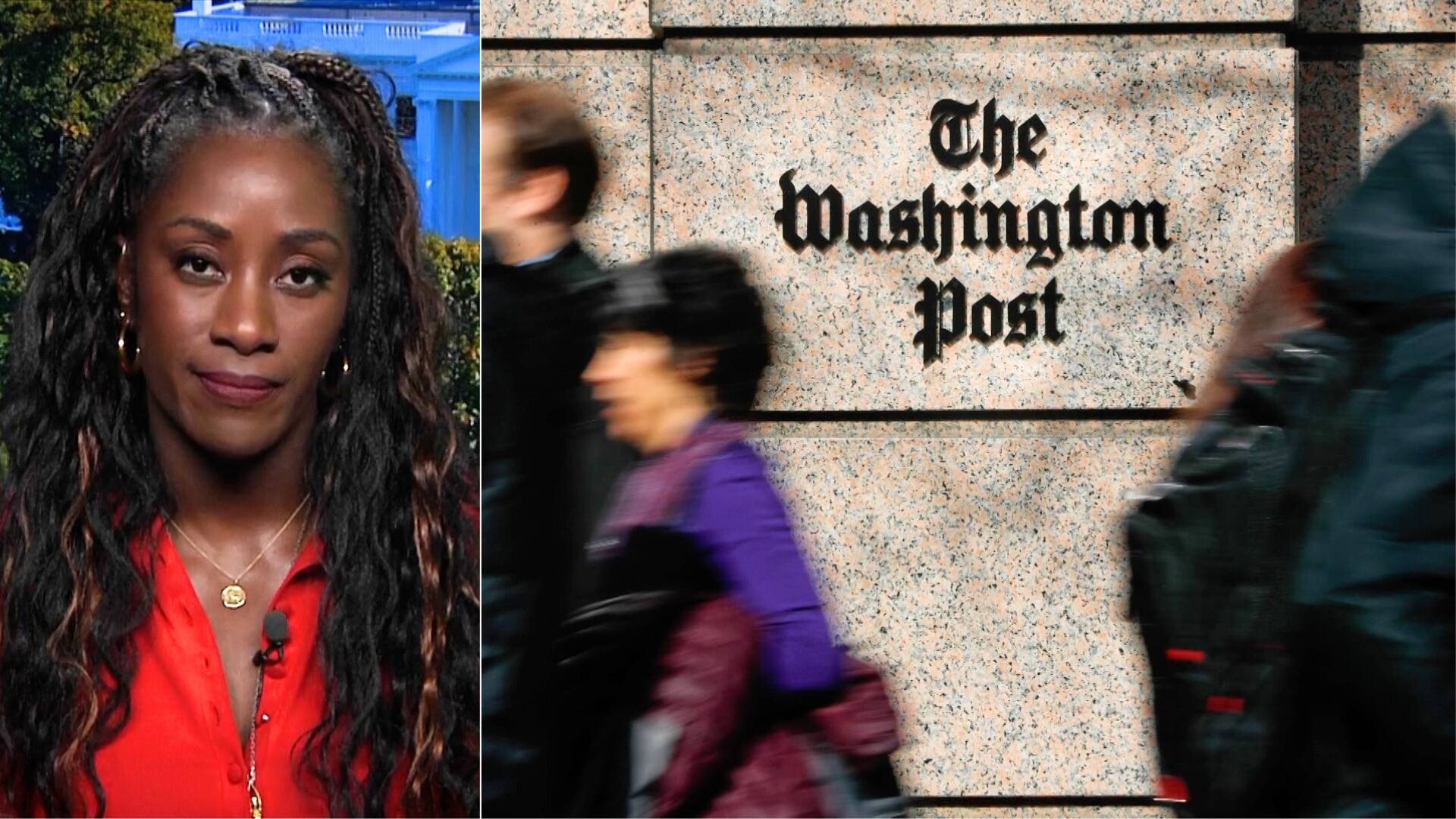
Karen Attiah Wins Reinstatement at Washington Post After Arbitration Victory
Award-winning Washington Post columnist Karen Attiah has been reinstated with back pay after an arbitrator ruled in her favor following her controversial firing over social media posts about Charlie Kirk.
 Politics
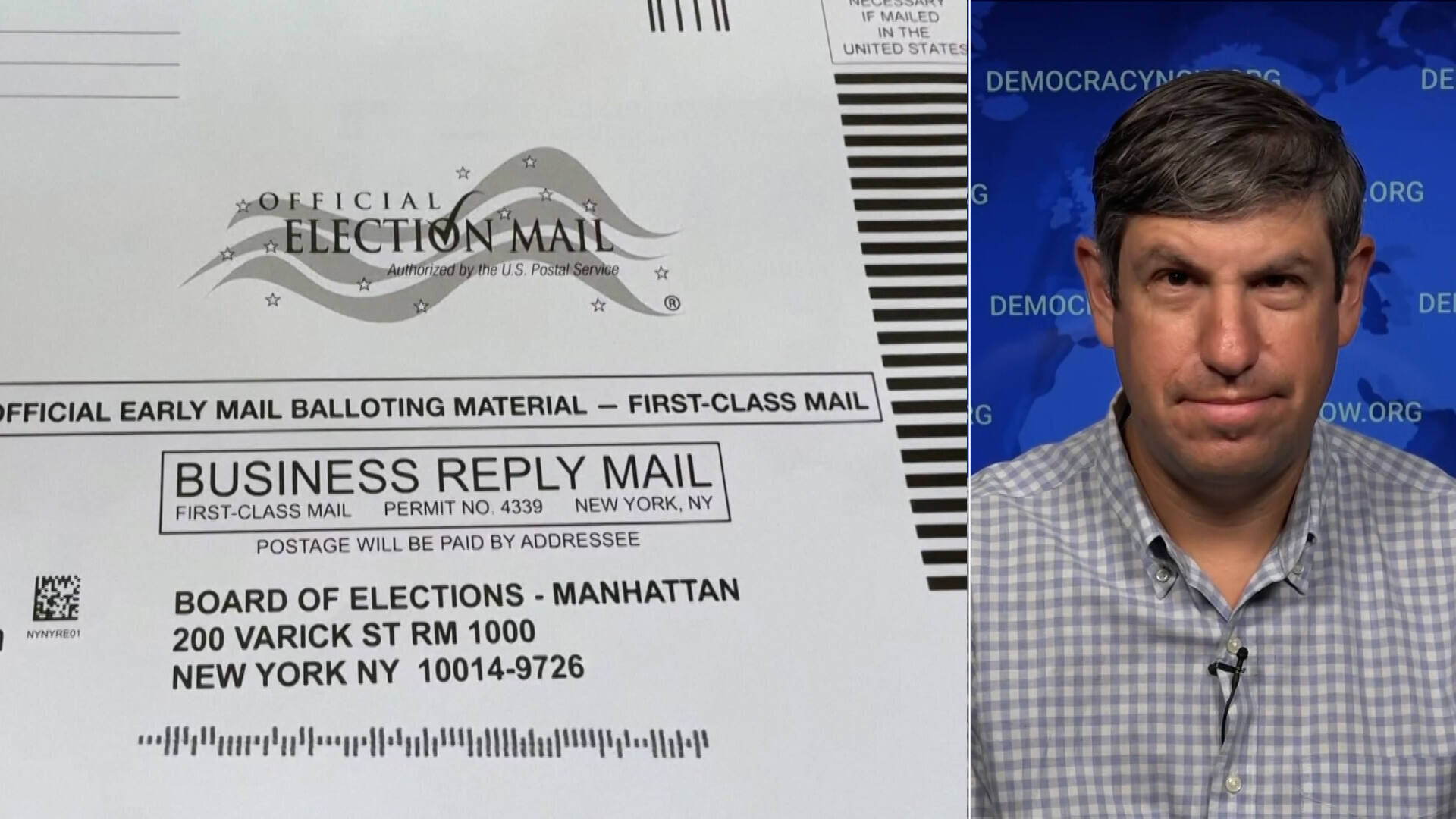
Supreme Court Allows Trump’s Mail-In Voting Restrictions to Proceed: What It Means for Midterms
The Supreme Court’s 6-3 decision lifts an injunction on Trump’s executive order restricting mail-in voting, raising concerns over potential voter disenfranchisement ahead of the midterm elections.
 Politics
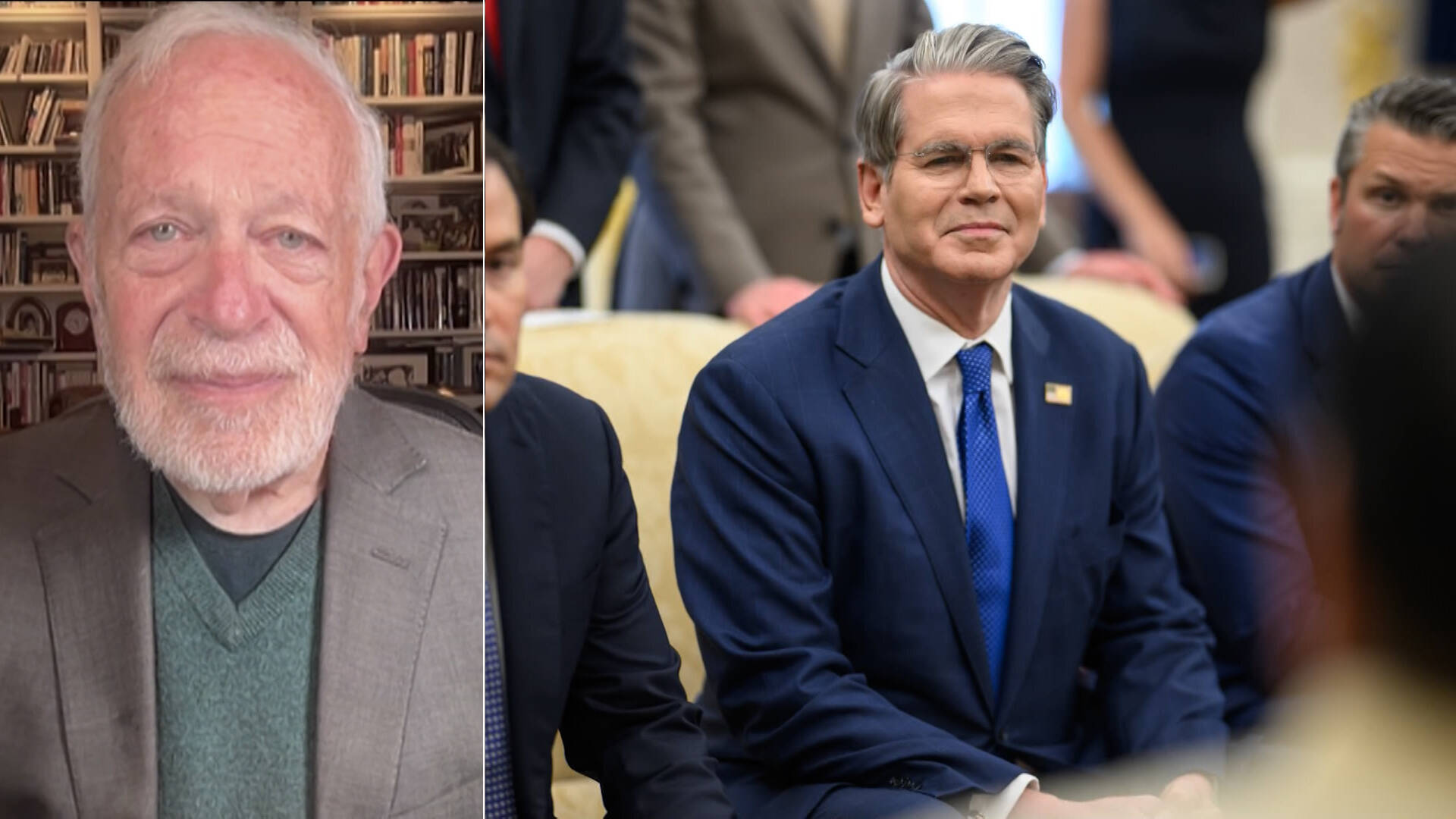
Robert Reich Warns Most Americans Are Getting Poorer Despite Stock Market Highs
Economist Robert Reich criticizes Treasury Secretary Scott Bessent's dismissal of the K-shaped economy, arguing wage stagnation and inflation are worsening inequality.
Most Read

At least 37 dead and hundreds evacuated after strike on Kyiv warehouse
Ian Frazier and Samy Burch Discuss 'Coyote vs. Acme' in The New Yorker
Latin America Energy Storage Forecast Jumps to 34 GW by 2035: Wood Mackenzie
