U.S. says pipelines will make Strait of Hormuz irrelevant. Energy experts disagree
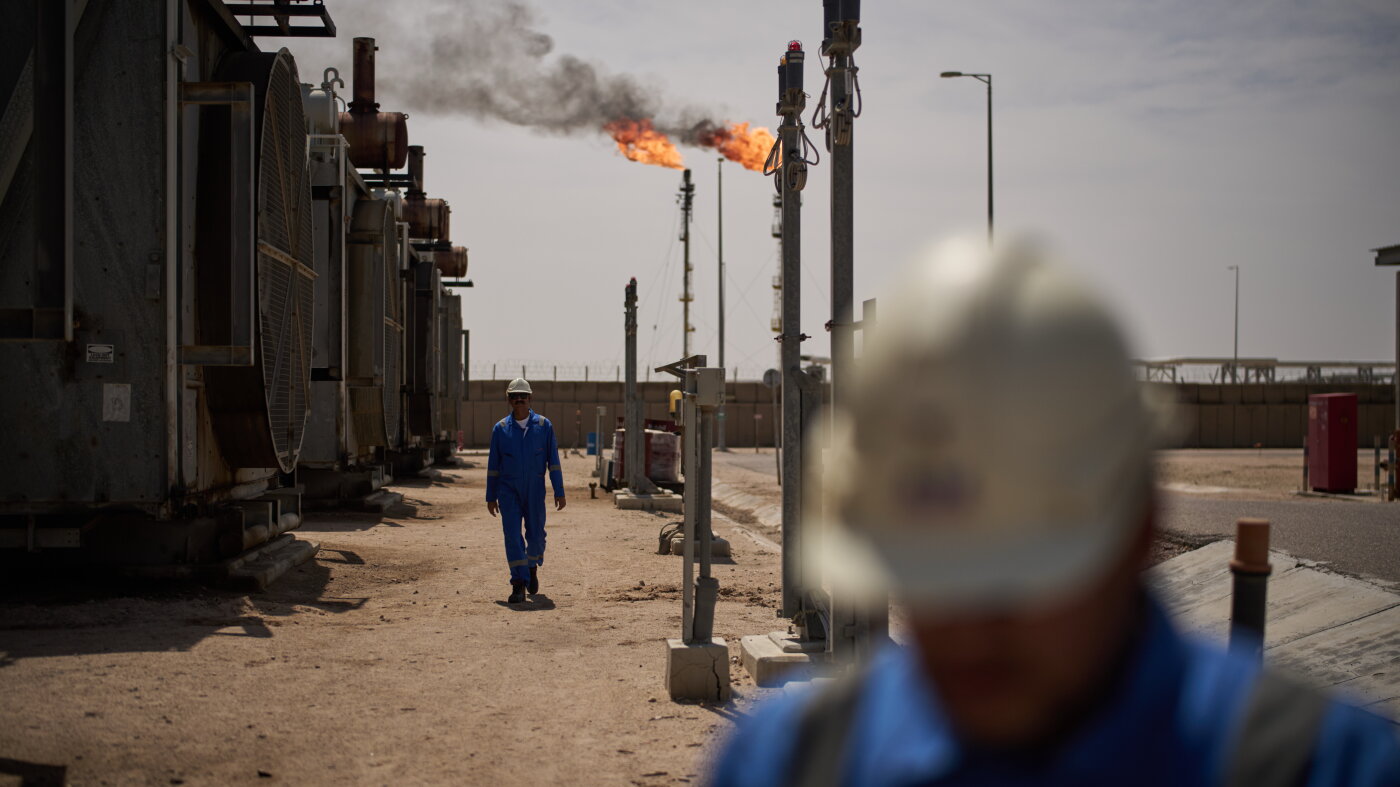
The United States has announced new economic sanctions aimed at weakening Iran’s control of the Strait of Hormuz, while the Treasury Department says the region’s oil producers will soon build pipelines that will render the waterway “irrelevant.” Energy experts, however, argue that the infrastructure required to replace the Strait’s shipping capacity will not be ready for several years, and that the Strait will remain a key choke point for the foreseeable future.
Treasury Secretary Scott Bessent told an NBC affiliate in early March that the United States expects 50 % to 70 % of the energy products normally shipped through the Strait to be transported via underground pipelines in the next two years. “It is going to become just another body of water,” Bessent said. The announcement follows the U.S. and Israel’s February attacks on Iranian shipping and the subsequent sharp drop in oil transit through the Strait, the largest oil chokepoint on the planet.
The United Arab Emirates has announced a $3 billion expansion of a pipeline to its port of Fujairah that is slated to begin operations next year. Saudi Arabia is also pursuing a larger pipeline expansion, but the International Energy Agency (IEA) says the project will take several more years to complete. The IEA’s senior oil‑market analyst Rebecca Schulz told NPR that even after these projects finish, the amount of oil that will still need to pass through the Strait to restore Gulf exports to pre‑war levels could exceed 10 million barrels per day – roughly half of the 20 million barrels that flowed through the Strait before the Iranian conflict began in February.
The IEA has described the reduction in shipping since the U.S. and Israel’s strike as the biggest energy‑supply disruption on record. Former U.S. State Department special envoy David Goldwyn said the crisis in the Strait will likely remain a permanent feature for the next few years. “The dynamics of the conflict, which are that Iran wants to get paid for exports, is not going to change,” Goldwyn said. “The U.S. inability to achieve a military outcome that would force freedom of navigation in the strait also seems very unlikely.”
Analyst Robert McNally, who served as senior director for international energy on President George W. Bush’s National Security Council, called Bessent’s prediction “way too strong and overstated.” “Even if regional producers are able to build pipelines and options to direct flows around Hormuz, the benefit will not make Hormuz irrelevant,” McNally said. He noted that Iran has repeatedly demonstrated its ability to attack redirected routes and that most Gulf oil and liquefied natural gas (LNG) infrastructure was built to use the Strait.
The Bab el‑Mandeb, the narrow waterway between the Arabian Peninsula and the Horn of Africa, remains one of the few alternate routes for Gulf exports, particularly for Saudi oil. The route accounts for about 5 % of global energy exports, but Saudi Arabia’s support for Yemen’s government against Iran‑backed Houthi rebels has made the passage more contentious. “It comes and goes but it doesn’t trap supply,” McNally said of the Bab, contrasting it with the Strait’s ability to halt shipments when production or refinery outages occur.
Iraq is negotiating a 600‑mile pipeline from its northern oil fields to the Turkish port of Ceyhan, but disputes between Iraq and Turkey and internal conflict with the semi‑autonomous Kurdistan region have stalled progress. The Iraqi government is also looking to revive a defunct pipeline to Syria and is discussing a new pipeline from Basra to Jordan’s port of Aqaba.
Unlike oil, LNG cannot be transported through pipelines. Qatar, the world’s second‑largest LNG exporter, criticized the U.S. sanctions as unilateral, citing shared drilling rights on the offshore South Pars field with Iran. “There is no bypass pipeline for LNG,” Goldwyn said. The sanctions could force Gulf LNG producers to pay Iran for shipping or face economic losses, potentially driving up global natural‑gas prices.
The supply disruption has pushed global oil prices above $100 a barrel at times, translating into higher gasoline prices for consumers. Analysts expect elevated oil, natural‑gas, and food prices to persist for at least the next year. The IEA has highlighted that the Hormuz crisis has underscored the Gulf’s role in supply chains beyond energy, including fertilizer, aluminum, and critical raw materials for micro‑processor manufacturing. McNally warned that even if all pipeline projects were finished in time, they could still be vulnerable to Iranian attacks, meaning they would not provide total invulnerability. The United States’ sanctions, pipeline plans, and the region’s complex security dynamics suggest that the Strait of Hormuz will remain a pivotal element of global energy supply for the near future.
Comments (0)
No comments yet — be the first to weigh in.
Related Coverage
 World
World
Cannabis smell at US Open is distracting - Boulter
British number one tennis player Katie Boulter has voiced concerns over the strong smell of cannabis distracting players at the US Open in New York. Speaking ah...
 World
World
Nottingham Forest Eye £40m Bid for Everton's Teenage Midfielder Harrison Armstrong
Nottingham Forest is preparing a £40m offer for 19‑year‑old Everton midfielder Harrison Armstrong, a move that could surprise the club and shock fans.
 World
World
Slow start makes me want to stay - Norris extends McLaren deal to 2030
Lando Norris has signed a contract extension with McLaren, committing to the team through at least the end of the 2030 Formula 1 season. The 26-year-old British...
 World
World
Wales NHS gender surgeries paused for review into referral numbers
The Welsh Gender Service, based at St David’s Hospital in Cardiff, has temporarily suspended all new and scheduled referrals for gender-affirming surgeries as h...
Most Read
Kacey Musgraves: How Country-Pop Crossover Shaped Modern Americana
Top Chinese Solar Firms Report H1 2026 Losses Amid Market Challenges

Aisha Wahab Defeats AIPAC-Backed Challenger to Win Historic Seat in Congress

Hull City's Perfect Premier League Start: Two Wins in Two Games, Historic Feat