US Government Designates Italy-Based Tech Collective as Terrorist Group
The U.S. State and Treasury Departments have sanctioned the Italy-based Autistici/Inventati Collective, a tech group accused of aiding far-left extremists with tools for criminal activities.
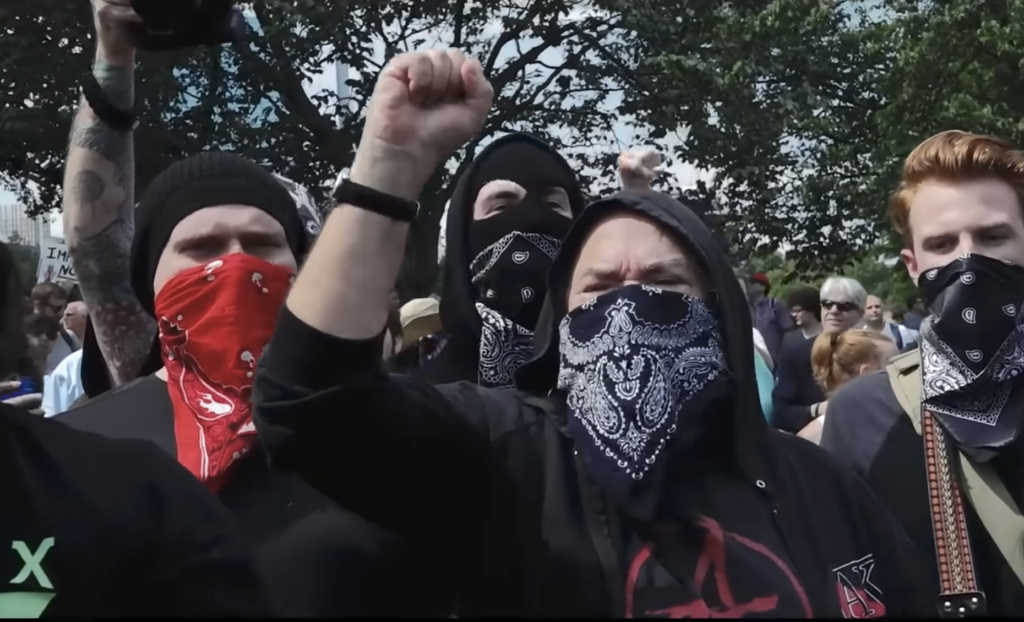
The U.S. State and Treasury Departments this week designated the Autistici/Inventati Collective (A/I Collective), an Italy-based anonymous tech collective, as a Specially Designated Global Terrorist under the Trump administration's broader efforts to counter what it terms the "political terrorism" of far-left extremist groups.
According to the State Department's announcement, the A/I Collective provides technological tools to far-left extremist actors, including website hosting, the blogging platform No.Blogs, email services and other digital infrastructure. These tools have allegedly been used by anarchist and autonomous groups to disseminate communiqués, coordinate criminal activities and claim responsibility for attacks on law enforcement and critical infrastructure both domestically and abroad.
The department emphasized that the collective does not merely facilitate the spread of ideological content but also distributes "target information, tactical manuals and techniques" for carrying out criminal and terrorist acts.
While some online left-wing commentators have reacted with indignation, the A/I Collective has long anticipated law enforcement scrutiny. In the early 2000s, following Italian law enforcement actions, the group implemented "Plan R*," a decentralized server network designed to prevent physical intrusion and maintain access for clients in the event of enforcement actions. The collective later published the "Orange Book," a manual outlining methods to replicate their network infrastructure. This approach aligns with anarchist and autonomous movement strategies, which emphasize decentralization and deniable participation—comparable to a "digital black bloc" where widespread adoption complicates law enforcement efforts.
A recent statement circulating on Instagram among Antifa and anarchist accounts acknowledged that Plan R* was not designed to withstand the full legal force of U.S. sanctions. The sanctions, they noted, target not just the collective's digital infrastructure but also the broader operational environment, preventing banking, donations, domain purchases and bandwidth acquisition. The statement warned U.S.-based supporters against attempting to circumvent sanctions without legal guidance, providing a list of prohibited actions, including improvising donations, rerouting funds or disguising payments.
Under current sanctions, U.S. individuals are prohibited from providing or receiving any services to or from the A/I Collective, potentially leaving hundreds of far-left actors in the U.S. scrambling to secure new digital platforms or risking legal exposure.
The designation appears to have caught some members of Antifa and anarchist networks off guard, particularly given long-standing claims that "Antifa doesn't exist" as a formal organization. The move represents one of the first successful efforts by the U.S. government to target not just individual actors but the infrastructure supporting far-left extremism, prompting reactions ranging from disbelief to alarm within these networks.
Federal officials should anticipate that affected groups will not remain inactive for long. Disruption to the A/I Collective’s services is likely to accelerate a diaspora toward alternative entities, though the legal and operational risks of such moves remain significant. One potential refuge could be RiseUp.Net, a Seattle-based tech collective with close ties to A/I Collective that provides similar services to Antifa-aligned groups worldwide. However, migrating to a U.S.-based provider could expose actors to expanded scrutiny from the Justice Department, balancing operational continuity with increased legal vulnerability.
Legal challenges to the designation are also expected. The far-left’s support network is likely preparing test cases, strategically selecting jurisdictions to maximize the chance of sympathetic rulings and potentially overturning the sanctions.
The U.S. government’s action signals a more comprehensive approach to addressing far-left extremism, treating it with similar gravity to other domestic terrorist threats. While the long-term impact remains to be seen, this development marks a notable escalation in federal efforts to disrupt the organizational and technological foundations of far-left militant networks.
Comments (0)
No comments yet — be the first to weigh in.
Related Coverage
 Politics
Headlines for August 26, 2026
Iran has resumed talks with Oman about managing the Strait of Hormuz while tensions in the region remain high, despite economic pressure from the United States....
 Politics
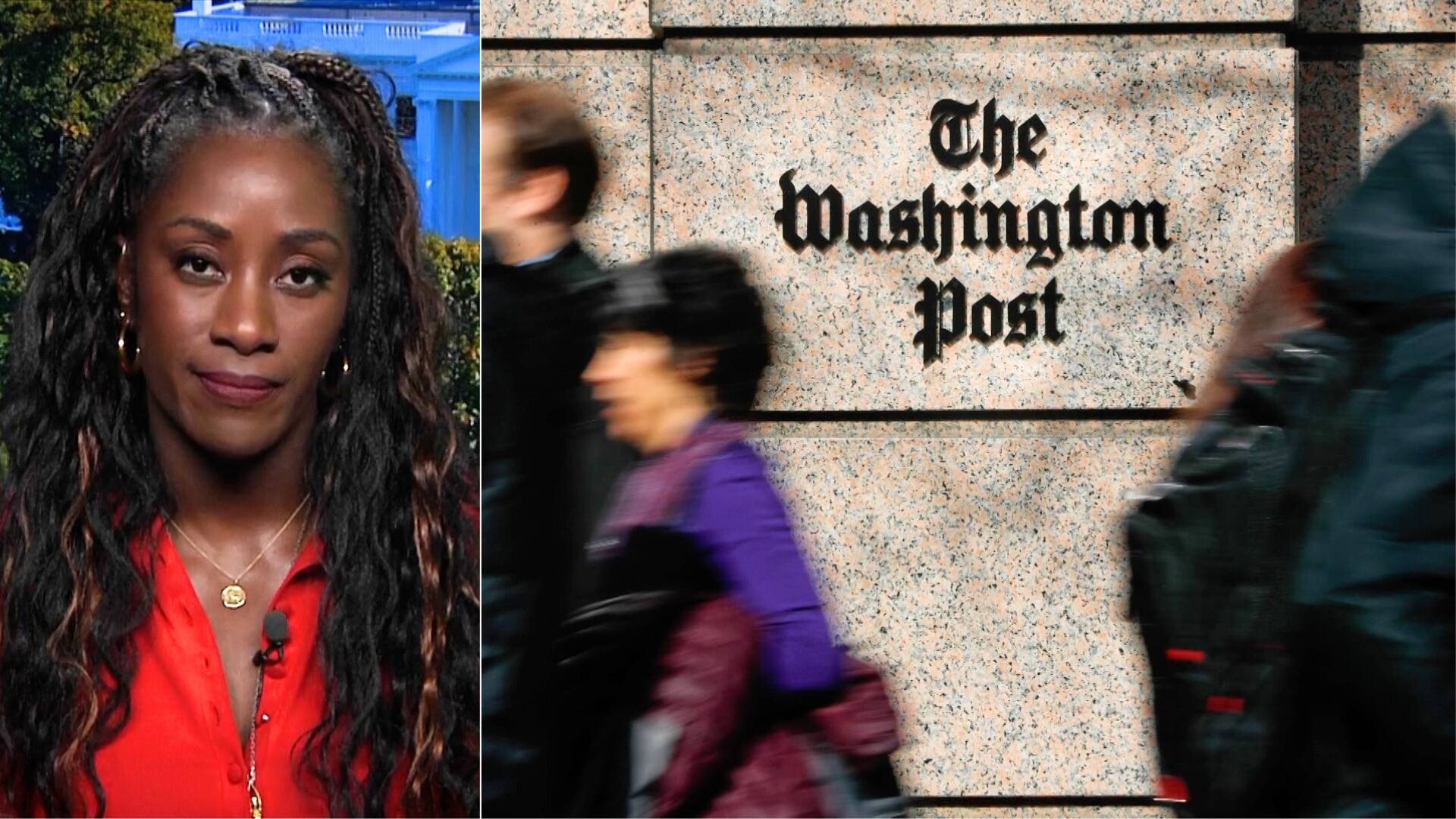
Karen Attiah Wins Reinstatement at Washington Post After Arbitration Victory
Award-winning Washington Post columnist Karen Attiah has been reinstated with back pay after an arbitrator ruled in her favor following her controversial firing over social media posts about Charlie Kirk.
 Politics
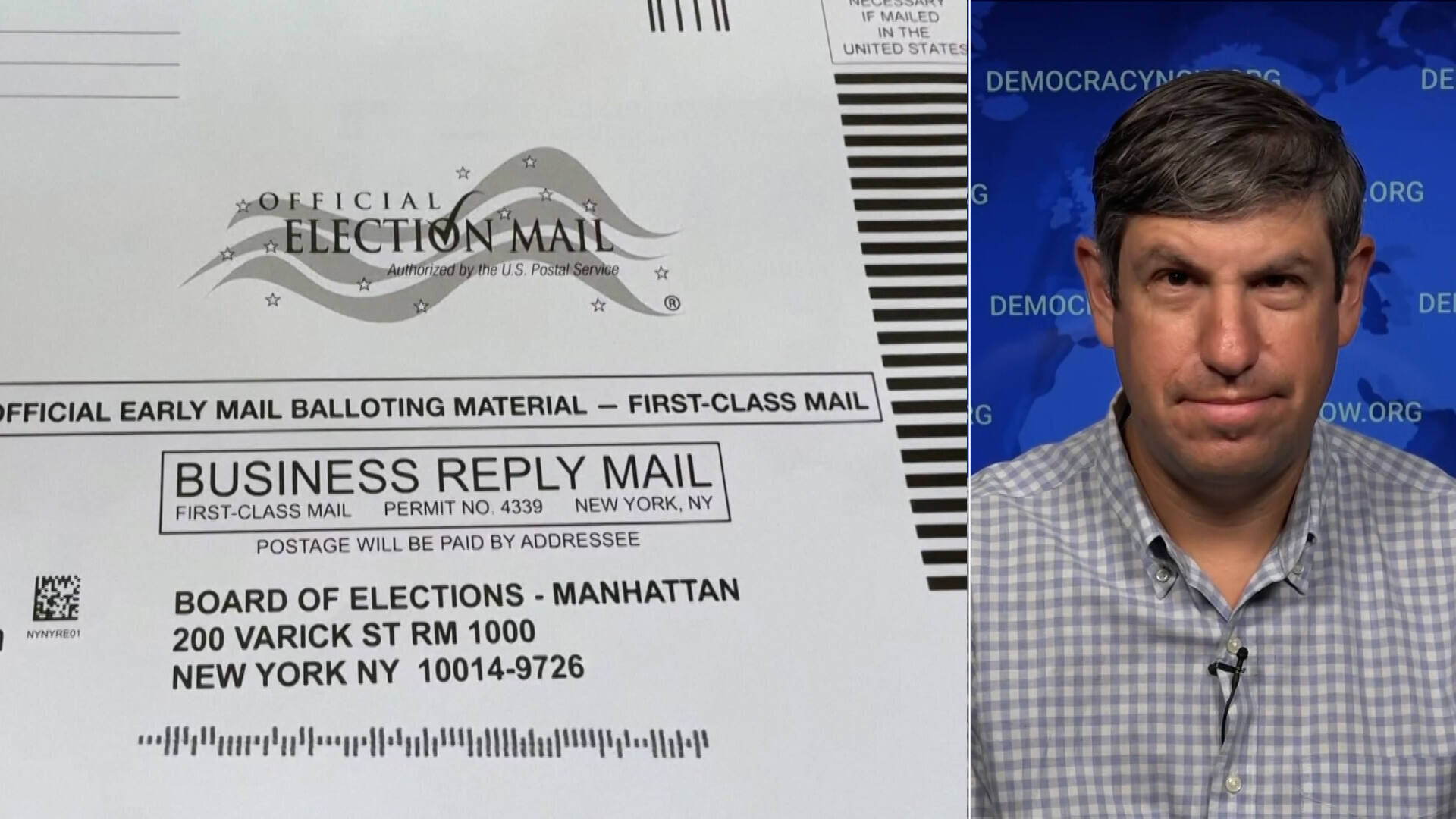
Supreme Court Allows Trump’s Mail-In Voting Restrictions to Proceed: What It Means for Midterms
The Supreme Court’s 6-3 decision lifts an injunction on Trump’s executive order restricting mail-in voting, raising concerns over potential voter disenfranchisement ahead of the midterm elections.
 Politics
Robert Reich Warns Most Americans Are Getting Poorer Despite Stock Market Highs
Economist Robert Reich criticizes Treasury Secretary Scott Bessent's dismissal of the K-shaped economy, arguing wage stagnation and inflation are worsening inequality.
Most Read
Ian Frazier and Samy Burch Discuss 'Coyote vs. Acme' in The New Yorker
Latin America Energy Storage Forecast Jumps to 34 GW by 2035: Wood Mackenzie

Tarkowski strikes late to rescue point for Everton at Bournemouth
