Understanding the Symbolism of Sẹ̀kẹ̀rẹ̀ in Modern Nigerian Poetry
Explore the depth of Sẹ̀kẹ̀rẹ̀ as a poetic symbol in Nigerian literature, reflecting heritage and personal identity.
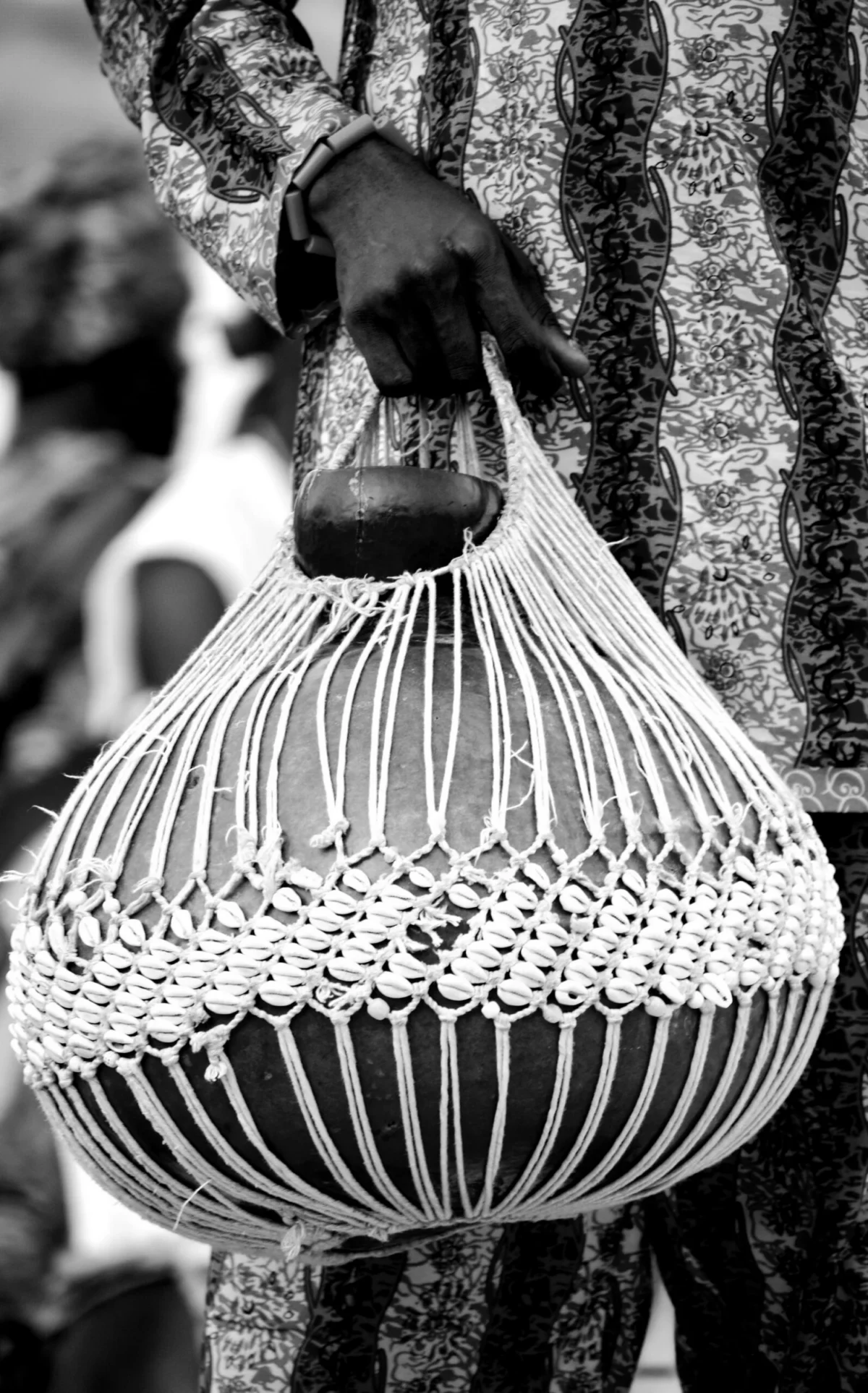
Sekere: A Poetic Reflection on Grief, Memory and Nigerian Identity
LAGOS, Nigeria — A new literary piece by renowned Nigerian poet and writer Serekere has surfaced online, blending personal grief with reflections on national identity through evocative imagery and poetic form. The poem, titled “Serekere,” appears in the latest issue of Guernica Magazine, a respected international literary journal known for publishing boundary-breaking contemporary poetry.
The poem weaves metaphors of broken gourds, inherited burdens, and the passage of time, all anchored in the cultural resonance of the ṣẹ̀kẹ̀rẹ̀, a traditional Nigerian percussion instrument made from a hollowed gourd. Serekere uses the instrument as a symbol of memory, fragility, and the weight of history—especially in postcolonial contexts. The imagery of rice straws, dust-covered photographs, and drum-shaped clouds evokes both personal and collective trauma, suggesting how grief and heritage shape identity.
“Sometimes, love comes in a parcel of rice straws / or takes the shape of a gourd, fractured beyond shape,” the poem reads, capturing the duality of beauty and brokenness. The ṣẹ̀kẹ̀rẹ̀, often used in rituals and celebrations, becomes a vessel for unspoken oaths and unresolved conflict. “I insured my grief and the inherited hatchets. I want them buried for a century, at least,” the poet declares, framing grief as something quantifiable, yet ultimately uninsurable.
Critics and readers familiar with Serekere’s work note how the poem reflects Nigeria’s complex social fabric. The mention of “walls with pictures covered in dust” points to histories that are remembered yet neglected, while the line “I think of trees that resist floods and storms” symbolizes resilience amid adversity. The poem’s closing lines—“I think of the celebrations where the gourd is left to rest”—suggest a tentative hope, a moment of stillness after turmoil.
Serekere, who is based in Lagos and has published widely in African literary circles, continues to challenge readers with lyrical intensity and cultural depth. Guernica Magazine, founded in 2004 and headquartered in New York, is renowned for amplifying marginalized voices and experimental forms of storytelling.
The poem is available in the current digital edition of Guernica Magazine and has begun circulating on social media platforms, drawing attention from literary scholars and poetry enthusiasts across Nigeria and the diaspora.
#Serekere #Poetry #Nigeria #GuernicaMagazine #AfricanLiterature #Sekere #GriefAndMemory #PostcolonialPoetry
Comments (0)
No comments yet — be the first to weigh in.
Related Coverage
 Entertainment
Yayoi Kusama’s Death Signals a Kind Fall for Art and Humanity
Hyperallergic reflects on the passing of Yayoi Kusama, Dolly Parton, and Sliman Mansour, while exploring loneliness, AI, and art's role in a changing world.
 Entertainment
Tessa Hulls on Her Graphic Memoir 'Feeding Ghosts' on Longform Podcast #571
Writer and artist Tessa Hulls discusses her graphic memoir Feeding Ghosts and the project she spent her life avoiding, on Longform Podcast #571.
 Entertainment
Derek Thompson on Longform Podcast: Solving Life's Mysteries Through Writing
Derek Thompson, Atlantic staff writer and Plain English host, discusses his career as a 'dilettante' and love for uncovering mysteries in his Longform Podcast interview.
 Entertainment
Rozina Ali on Longform Podcast #573 Discussing Her Career and Reporting
Rozina Ali, a New York Times Magazine writer and National Magazine Award winner, joins the Longform Podcast to discuss her career and latest reporting.
Most Read

Three-storey building collapses at Swaminarayan temple in Prayagraj, no casualties
Kai Bird Explores Roy Cohn's Influence on Donald Trump's America
Canada's Solar Energy Growth: Provinces Chart Diverse Paths to 2035 Goals

Autumn Hill Sentenced to 50 Years in Prison for Anti-ICE Protest: A Case of Political Persecution?
