UK Energy Costs Soar: Government Urged to Support Vulnerable Households
Soaring energy bills in Britain are plunging struggling families into debt, with household energy debt hitting £6bn. Experts urge government action to provide short-term relief amid rising costs.

Household energy debt in the United Kingdom has surged to a record £6 billion by the end of June, according to the latest figures, with projections indicating it will reach £7 billion by the end of the year. This sharp increase, driven in part by geopolitical tensions stemming from Donald Trump’s policies in the Middle East, underscores the growing financial strain on vulnerable households. As the government’s energy price cap rises to a three-year high in October, families are facing impossible choices between heating their homes, paying for essentials, or servicing other debts.
Prime Minister Andy Burnham has made addressing the cost of living crisis a central priority since taking office. His administration recently announced a VAT exemption on electricity bills starting in October, a move intended to ease financial pressure. However, the Middle East-driven spike in the energy price cap announced this week significantly diminishes the impact of this relief. The volatility in global energy markets has made high energy costs the new normal, raising concerns about how households will cope through the coming winter.
Energy Secretary Miatta Fahnbulleh has emphasized that accelerating the transition to renewable energy remains the most effective long-term solution to reduce household bills and insulate the economy from volatile international gas prices. While clean energy investments promise cheaper and more stable power in the future, immediate action is required to prevent further financial hardship. The warm homes discount, currently set at £140—a figure unchanged since 2011—offers minimal support and must be significantly increased.
Calls are growing for new social discount schemes and expanded emergency funding for vulnerable households. Former Prime Minister Gordon Brown has proposed financing such measures through a new tax on betting and gaming, while the Trades Union Congress has suggested a windfall tax on banks. These proposals aim to redistribute the burden more fairly and ensure that support reaches those most in need. The government has indicated flexibility within its fiscal rules, suggesting that funding can be found with sufficient political will.
Beyond immediate relief, experts argue that shifting some environmental levies from household energy bills to general taxation would make green policies more equitable. Research shows that low-income families currently spend up to three times more of their net income on energy levies compared to wealthier households. While Britain’s net zero goals enjoy broad public support, the current approach—placing the financial burden of green transition on energy consumers—risks undermining public backing for climate action.
Ofgem’s recent announcement of a further energy price cap increase has drawn acknowledgment from Prime Minister Burnham, who has also warned of a potential larger spike in January if market volatility persists. With opposition parties attempting to exploit energy costs to create divisions over the green transition, the government faces pressure to adopt a more robust and comprehensive strategy.
#EnergyDebtUK #CostOfLivingCrisis #AndyBurnham #RenewableEnergy #Ofgem #NetZeroUK #FuelPoverty
Comments (0)
No comments yet — be the first to weigh in.
Related Coverage
 Environment
Top Chinese Solar Firms Report H1 2026 Losses Amid Market Challenges
Major Chinese solar manufacturers including JinkoSolar, Canadian Solar, and Trina Solar report first-half 2026 losses due to weak demand and price pressures, despite shifts toward energy storage.
 Environment
China Faces Stalled PV Consolidation as Overcapacity Persists
China’s solar module sector struggles to trim excess capacity amid weak domestic demand and geopolitical pressures, with government measures yet to curb losses.
 Environment
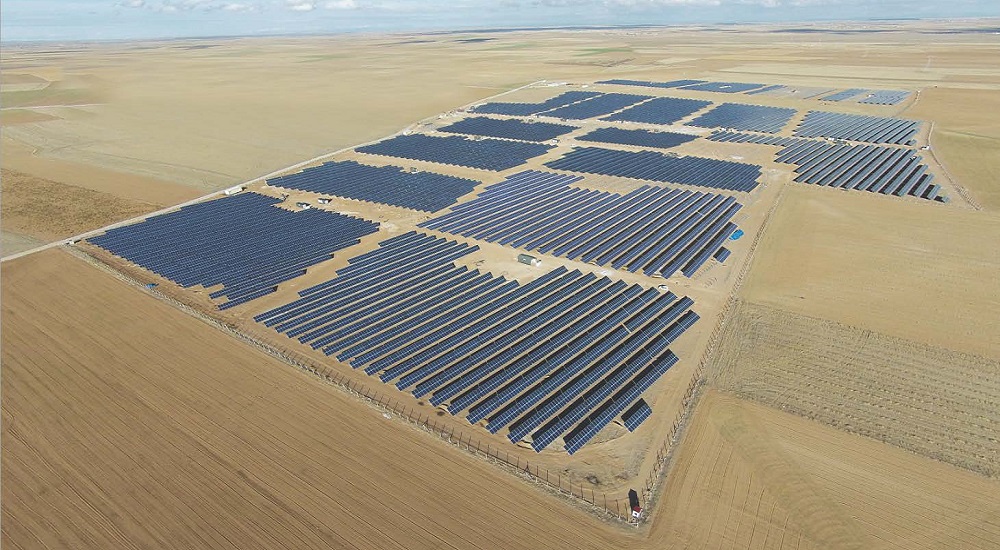
Machine Learning Boosts Irradiance Prediction for Bifacial Solar Panels
Research from Selçuk University compares machine learning models to improve plane-of-array irradiance predictions for bifacial photovoltaic systems using NREL field data.
 Environment
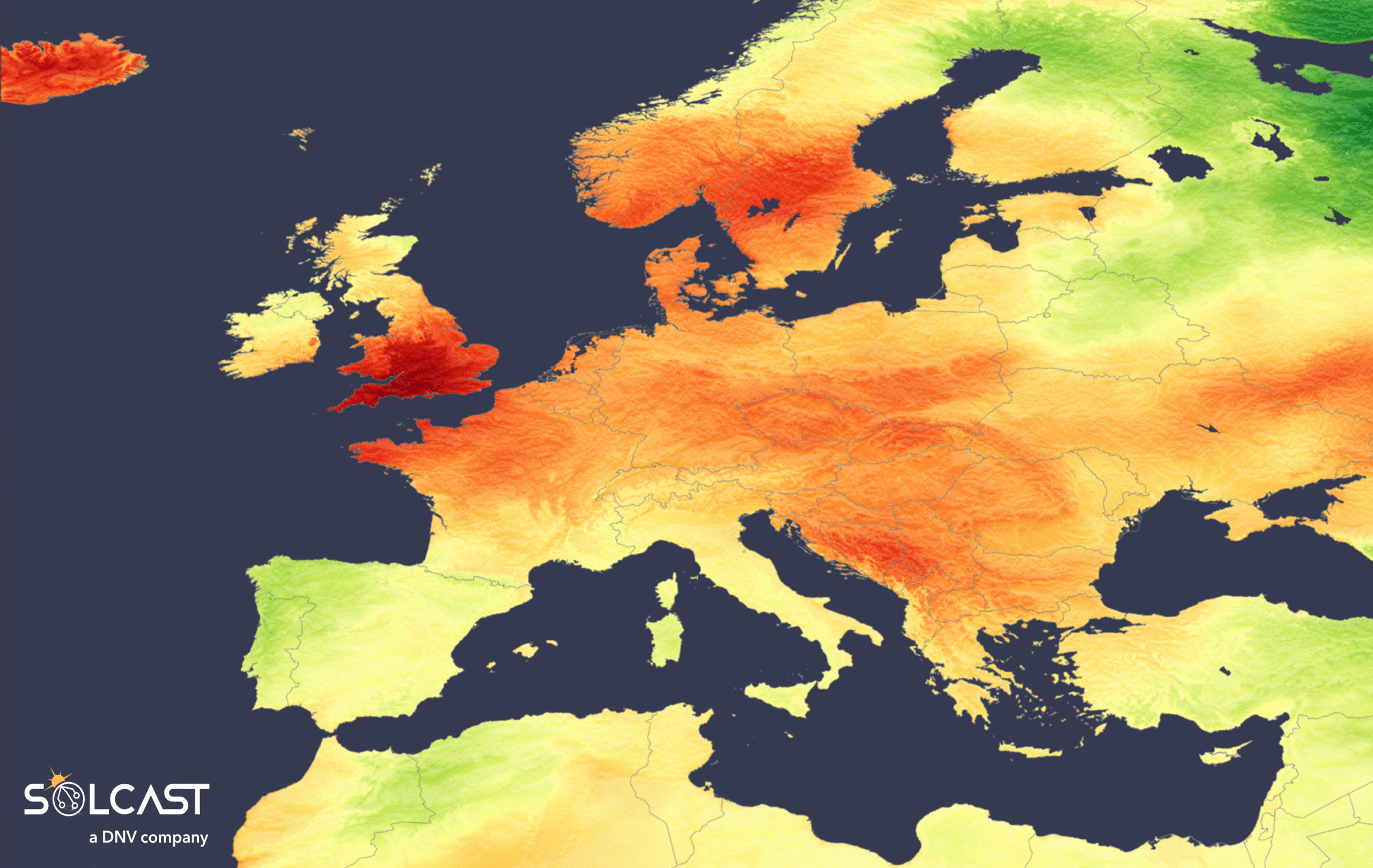
Europe’s solar resource surplus continues before late-August cloud shift
Europe’s solar resource surplus persisted across much of the continent in August 2026, with global horizontal irradiance averaging 5% above the 2007–2025 norm,...
Most Read

Harlequins Sign Zimbabwe Winger Edward Sigauke for 2024 Season

Norway bids farewell to King Harald as crowds gather at royal palace
Kacey Musgraves: How Country-Pop Crossover Shaped Modern Americana
Top Chinese Solar Firms Report H1 2026 Losses Amid Market Challenges