Trump's Misguided Trade War with Canada vs. China's Dominance
Analyzing why Trump's trade war with Canada is irrational while China's manufacturing dominance threatens US economic and military security.
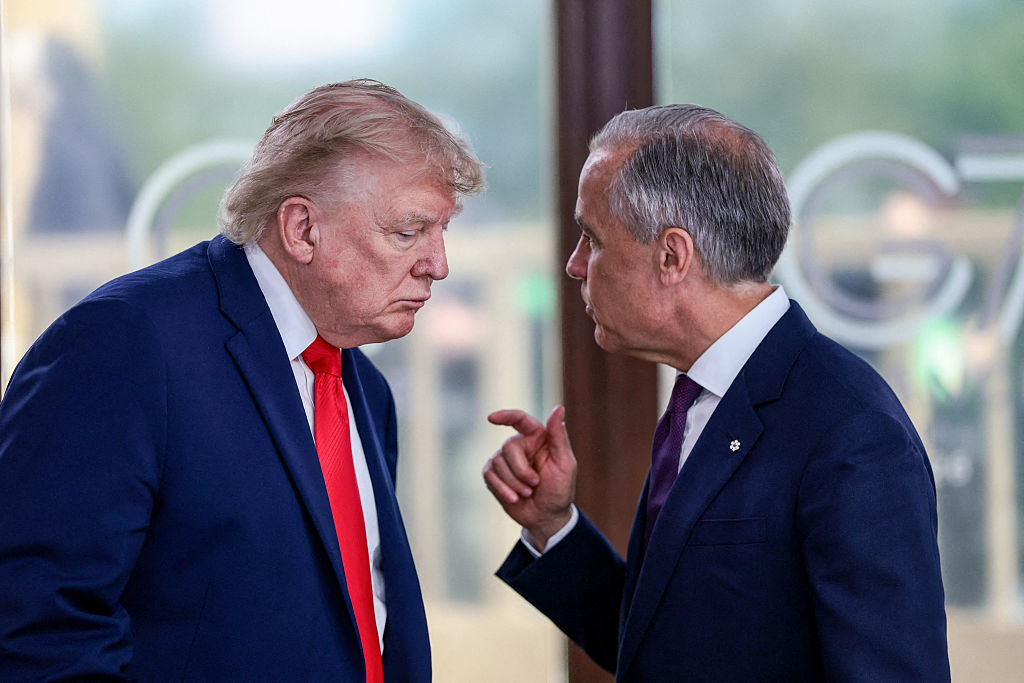
President Donald Trump’s renewed trade dispute with Canada risks undermining U.S. economic interests while failing to address the primary strategic challenge posed by China, analysts warn. The escalating tensions between Washington and Ottawa span multiple industries including automobiles, dairy, lumber, plywood, clothing, and alcohol—sectors that bear little resemblance to the high-tech manufacturing and military supply chains where Beijing now dominates global production.
Trade negotiations between the United States and Canada collapsed last week, deepening uncertainty in North American commerce. While the automobile sector remains strategically significant, the dispute centers not on essential military capacity but on supply chain location within an already integrated North American market. Other contested industries—such as dairy, lumber, and plywood—are not core to U.S. industrial or military power. Yet instead of focusing on China, which now accounts for 28% of global manufacturing output—surpassing the combined total of the United States, Japan, and Germany—the Trump administration continues to press trade conflicts with a key ally.
China’s industrial rise has been relentless and state-directed. From a position of exporting low-value goods in the early 2000s, China now leads in electronics exports with a 32% global share, followed by Taiwan at 14%, while the U.S. holds just 5%. It is the world’s largest car manufacturer, producing one-third of all vehicles, and controls 56% of global shipbuilding. In drone manufacturing, critical for both civilian and military applications, China commands an estimated 80% to 90% of the market. Beijing has also weaponized control over rare earth minerals, imposing export restrictions in April 2025 following new U.S. tariffs. Despite this, the Trump administration shifted course in May, accepting vague Chinese promises to address supply-chain concerns in exchange for limited agricultural purchases, including 200 Boeing aircraft—orders that may ultimately aid China’s own aviation industry.
The contrast in strategic focus could not be sharper. While Canada’s share of global plywood exports stands at just over 1%, China produces more than 54%, and up to 70% in some estimates. Canada exports more dairy products than China, and by 2026, is projected to export more lumber than the United States. Yet the Trump administration continues to escalate disputes over non-strategic goods with Ottawa while appeasing Beijing on critical technologies.
Critics argue this approach misaligns with long-term U.S. interests. A coherent trade strategy should prioritize decoupling from China and strengthening alliances with partners in Europe and Asia that share concerns over Beijing’s economic and military expansion. Instead, Trump’s trade policy has been described as personal, inconsistent, and detrimental to U.S. credibility. It has also undermined the legitimacy of tariffs as a tool of economic statecraft, with public support for free trade rising to 55% in 2025, up from 35% in 2024.
Analysts say the administration’s focus on Canada distracts from the real strategic imperative: countering China’s dominance in critical industries and supply chains. Without a clear, consistent, and alliance-based approach, the United States risks ceding ground in the very sectors that will define global power in the 21st century.
#TrumpTradeWar #CanadaUSRelations #ChinaManufacturing #USChinaTrade #NorthAmericanTrade #RareEarths #EconomicPolicy #GlobalSupplyChains
Comments (0)
No comments yet — be the first to weigh in.
Related Coverage
 Politics
Headlines for August 26, 2026
Iran has resumed talks with Oman about managing the Strait of Hormuz while tensions in the region remain high, despite economic pressure from the United States....
 Politics
Karen Attiah Wins Reinstatement at Washington Post After Arbitration Victory
Award-winning Washington Post columnist Karen Attiah has been reinstated with back pay after an arbitrator ruled in her favor following her controversial firing over social media posts about Charlie Kirk.
 Politics
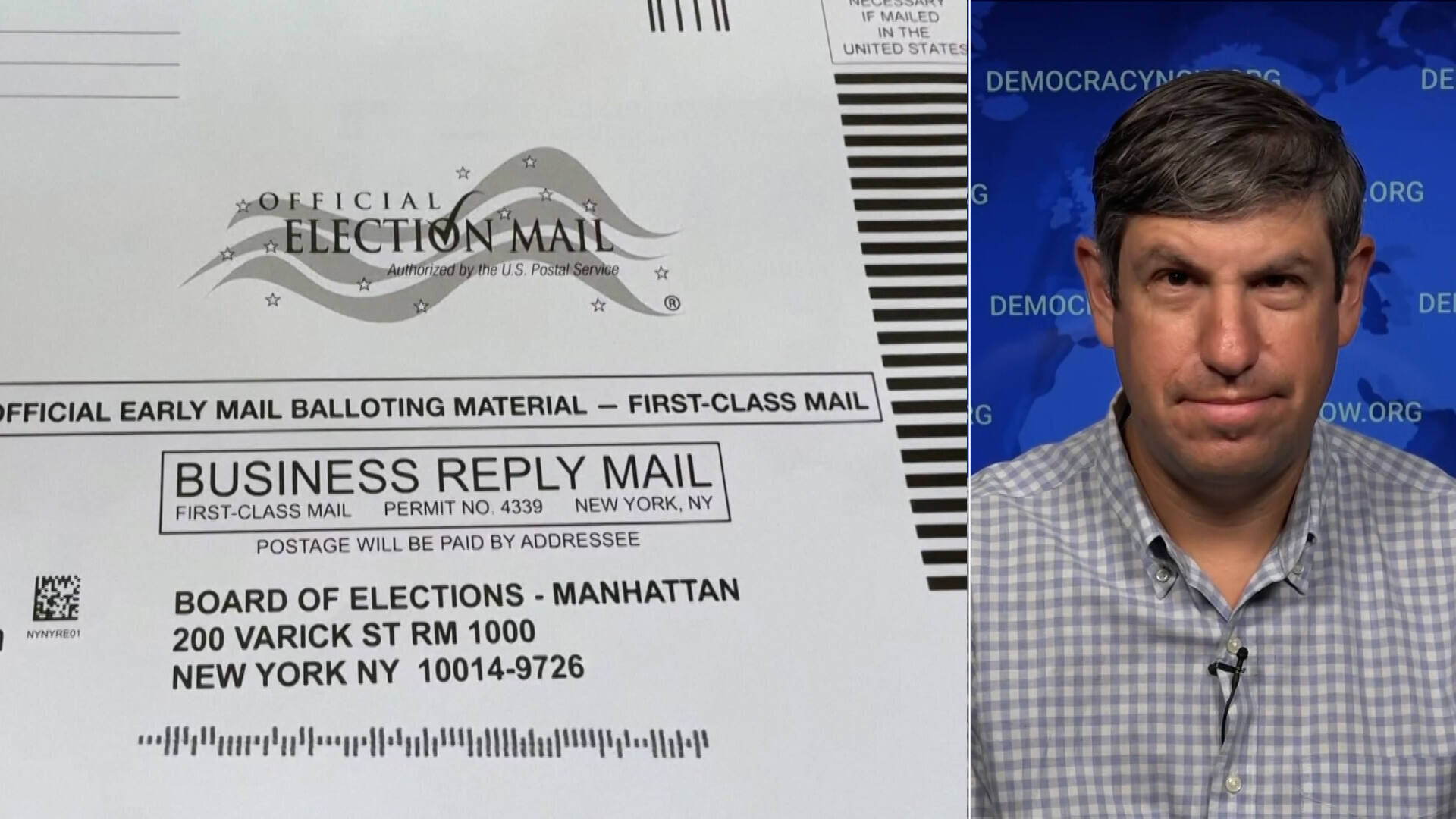
Supreme Court Allows Trump’s Mail-In Voting Restrictions to Proceed: What It Means for Midterms
The Supreme Court’s 6-3 decision lifts an injunction on Trump’s executive order restricting mail-in voting, raising concerns over potential voter disenfranchisement ahead of the midterm elections.
 Politics
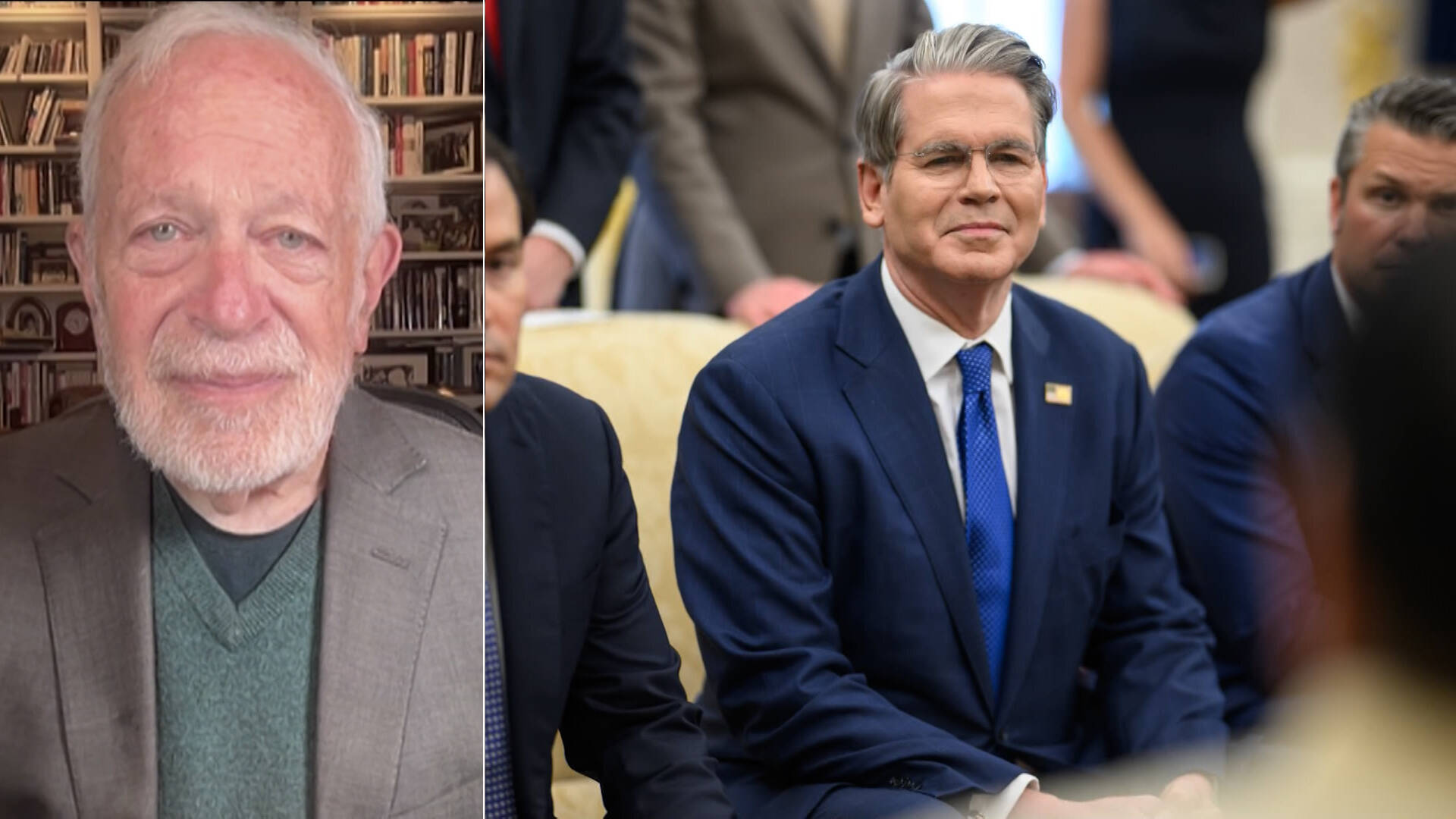
Robert Reich Warns Most Americans Are Getting Poorer Despite Stock Market Highs
Economist Robert Reich criticizes Treasury Secretary Scott Bessent's dismissal of the K-shaped economy, arguing wage stagnation and inflation are worsening inequality.
Most Read
Ian Frazier and Samy Burch Discuss 'Coyote vs. Acme' in The New Yorker

Latin America Energy Storage Forecast Jumps to 34 GW by 2035: Wood Mackenzie

Tarkowski strikes late to rescue point for Everton at Bournemouth
