Trump’s Iran Sanctions Strategy Risks Economic and Geopolitical Fallout
Trump’s renewed economic pressure on Iran risks escalating regional conflict, damaging U.S. energy markets, and worsening global instability amid midterm election pressures.

The Trump administration is intensifying its economic pressure campaign against Iran, escalating a strategy that has repeatedly failed to achieve its stated objectives while imposing significant costs on ordinary Iranians, according to policy experts.
Ryan Costello, Policy Director of the National Iranian American Council (NIAC), criticized the renewed campaign, stating that it reflects a gamble that has not yielded results in the past. "President Trump can impose extensive economic pain on Iran, but ordinary Iranians overwhelmingly bear the cost," Costello said. "The ruling elite in Iran remains largely insulated, while Tehran has repeatedly refused to capitulate to Washington's demands."
The administration's decision to reimpose sanctions on Iranian oil exports, despite previously granting waivers due to the strain on global energy markets, underscores the contradictions in its approach. The U.S. had temporarily eased sanctions in March and June to mitigate the impact of the war in Ukraine, yet now appears determined to tighten economic restrictions on Iran.
Analysts warn that this renewed pressure could backfire, particularly as Iran has signaled its willingness to escalate regional tensions in response to economic warfare. "While the President may think economic warfare is less risky than military warfare, ultimately Tehran will view it as a different tactic in the same campaign to crush the country," Costello noted.
The economic fallout from these policies is already being felt in the United States. Rising fuel and food costs have contributed to declining public support for the administration, with polls showing a sharp drop in approval ratings amid the ongoing conflict. The administration's broader trade war with China further risks escalating economic instability, with potential consequences for global markets.
Meanwhile, healthcare experts are calling for structural reforms to address the spiraling costs of the U.S. healthcare system. A new report from the American Economic Liberties Project (AELP) highlights the dominance of corporate healthcare giants, which have driven up prices while delivering subpar outcomes. The report notes that employer-sponsored healthcare costs have nearly tripled since 2005, with Americans paying nearly three times more for prescription drugs than residents of other developed nations.
The AELP report, titled "Break Up Big Medicine," proposes a four-part plan to reduce healthcare spending by $795 billion annually, including breaking up corporate monopolies, lowering drug prices, and enforcing existing regulations. The document points to bipartisan legislation, such as the Break Up Big Medicine Act introduced by Sens. Elizabeth Warren (D-Mass.) and Josh Hawley (R-Mo.), as potential solutions.
Morgan Harper, AELP's Director of Policy and Advocacy, criticized decades of policy decisions that have empowered corporate interests at the expense of patients and healthcare providers. "The healthcare crisis didn’t happen by accident—it is the direct result of decades of neoliberal policy choices that handed more power to corporate healthcare giants while families paid the price," she said.
Dr. Will Flanary, an independent ophthalmologist in Oregon, echoed these concerns, describing the strain on independent medical practices under the current system. "The US healthcare system, once made up of mostly independent practices like mine, is now dominated by Big Medicine behemoths," he wrote in the report's foreword. "This makes it increasingly difficult to keep my practice afloat and uphold my oath."
As the administration doubles down on economic pressure against Iran and the healthcare system remains mired in inefficiency, policymakers face mounting pressure to address these systemic challenges. The outcome of these debates could have far-reaching implications for both U.S. economic stability and global security.
Comments (0)
No comments yet — be the first to weigh in.
Related Coverage
 Politics
Headlines for August 26, 2026
Iran has resumed talks with Oman about managing the Strait of Hormuz while tensions in the region remain high, despite economic pressure from the United States....
 Politics
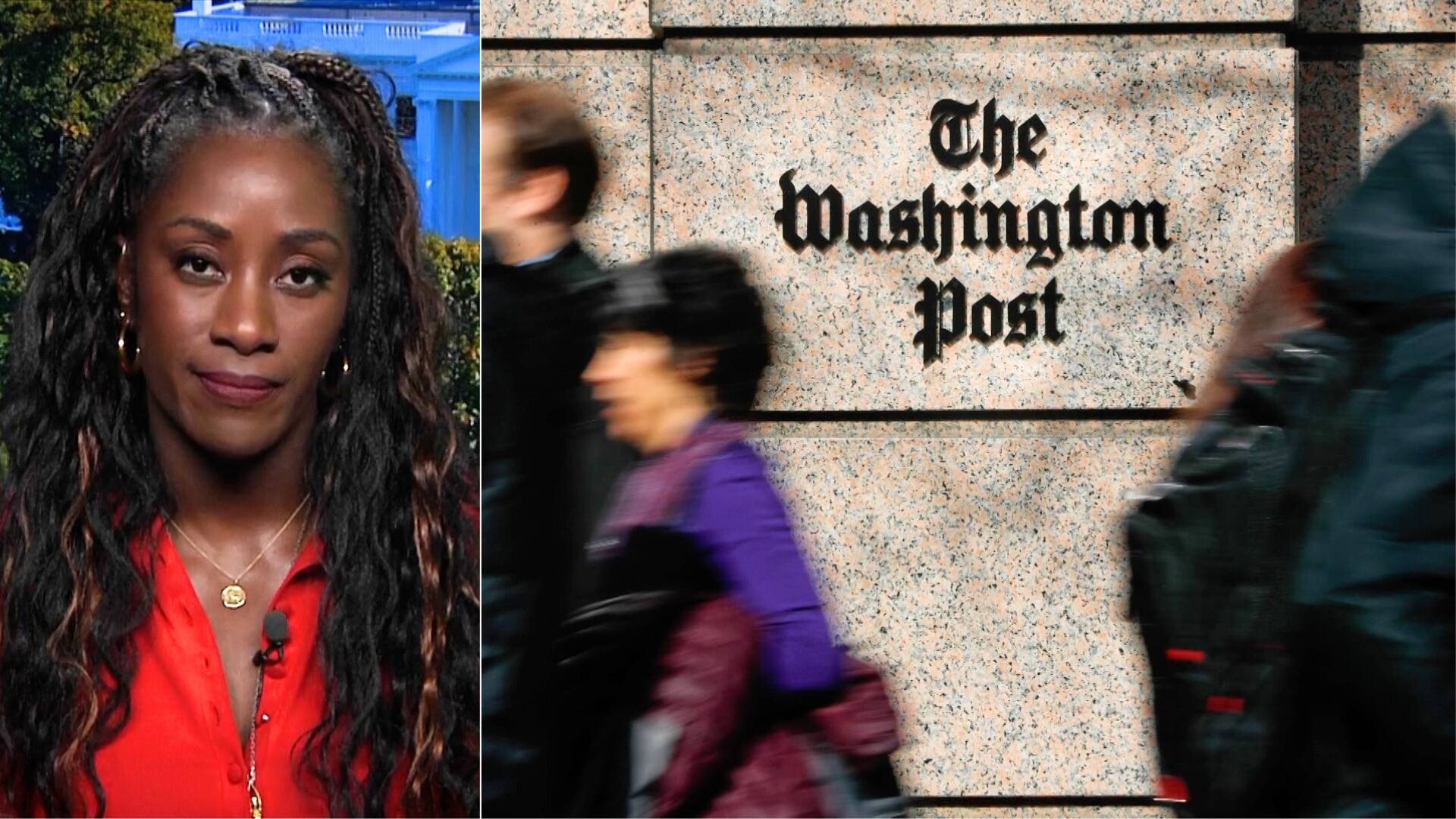
Karen Attiah Wins Reinstatement at Washington Post After Arbitration Victory
Award-winning Washington Post columnist Karen Attiah has been reinstated with back pay after an arbitrator ruled in her favor following her controversial firing over social media posts about Charlie Kirk.
 Politics
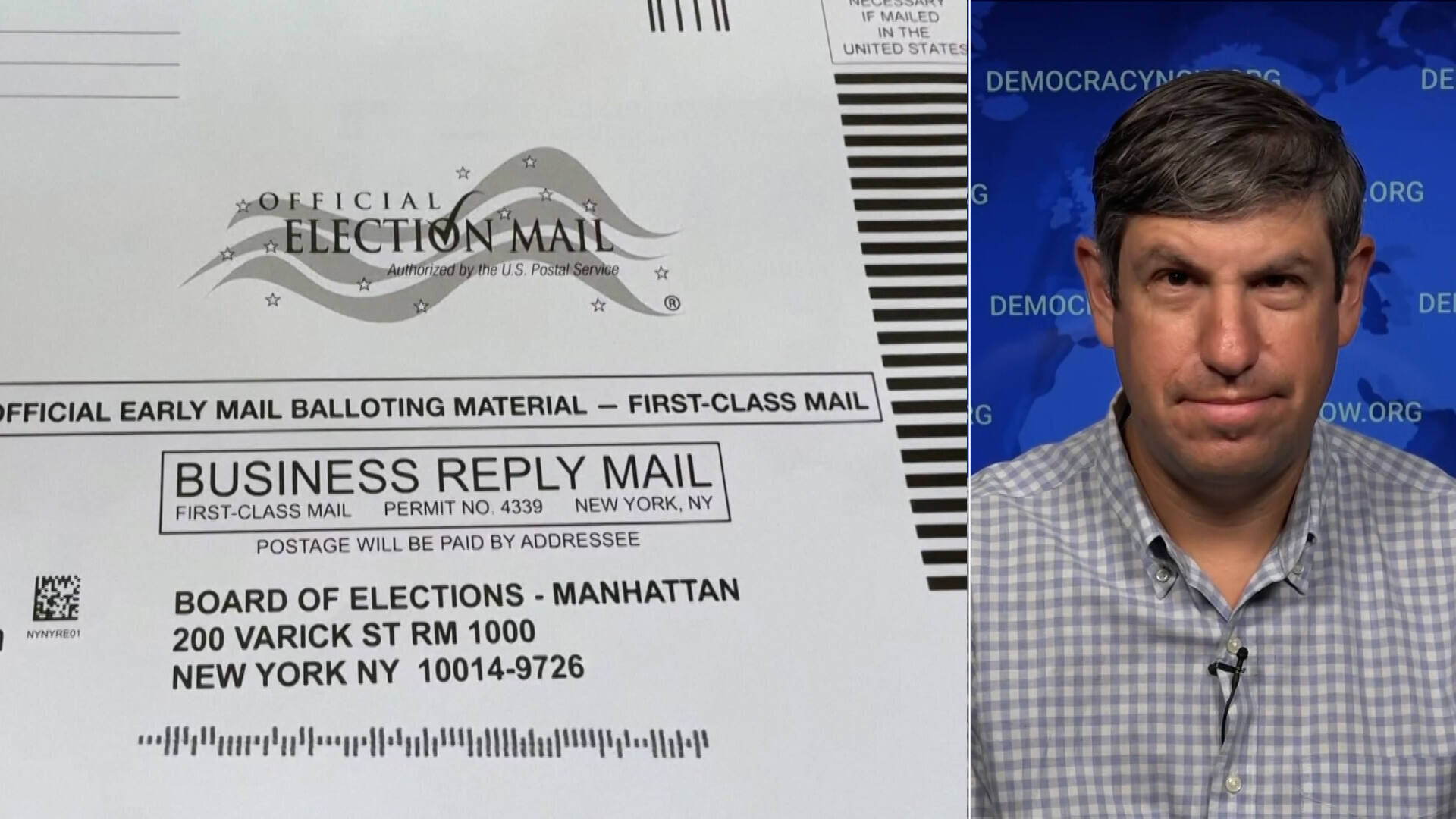
Supreme Court Allows Trump’s Mail-In Voting Restrictions to Proceed: What It Means for Midterms
The Supreme Court’s 6-3 decision lifts an injunction on Trump’s executive order restricting mail-in voting, raising concerns over potential voter disenfranchisement ahead of the midterm elections.
 Politics
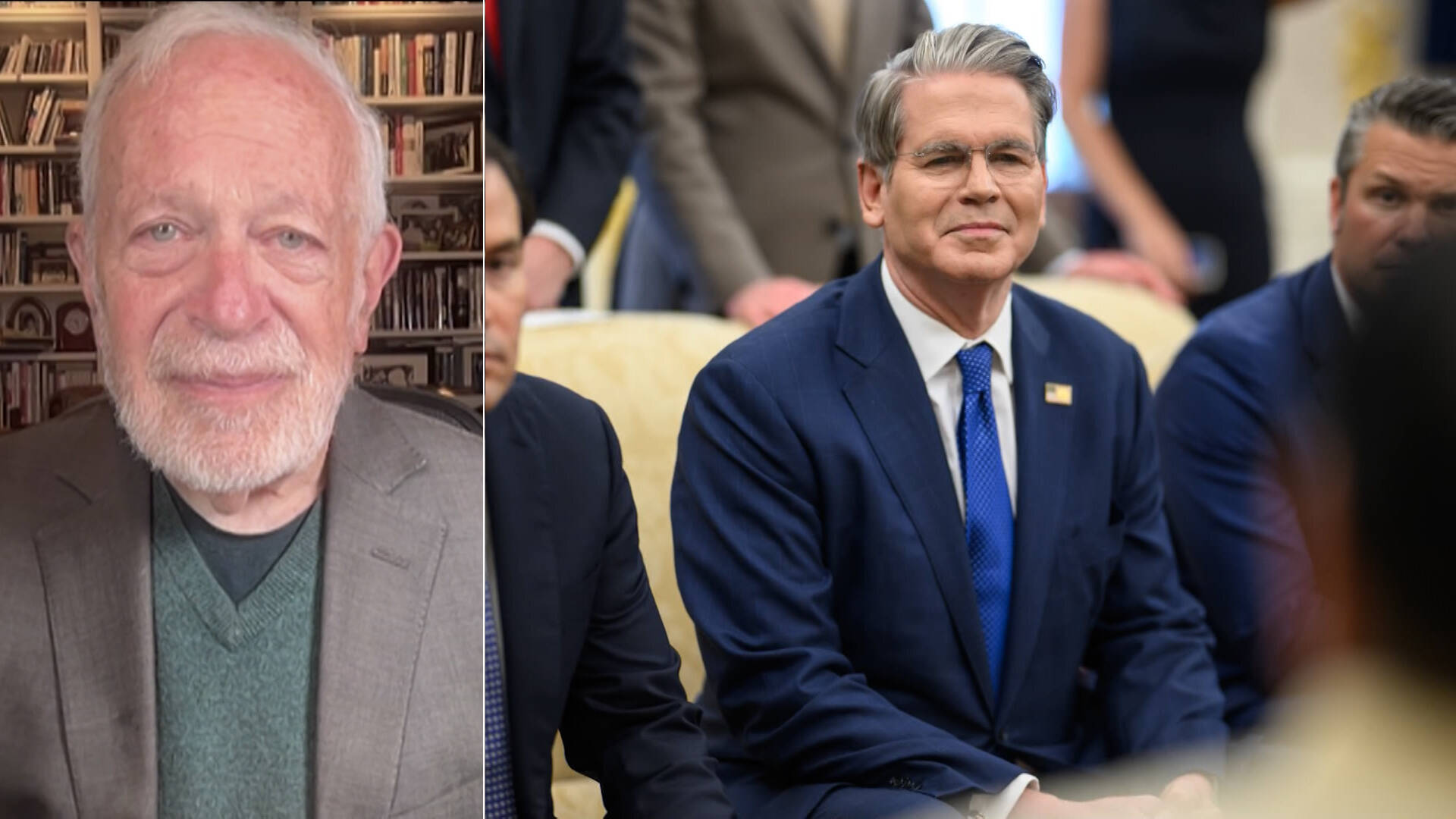
Robert Reich Warns Most Americans Are Getting Poorer Despite Stock Market Highs
Economist Robert Reich criticizes Treasury Secretary Scott Bessent's dismissal of the K-shaped economy, arguing wage stagnation and inflation are worsening inequality.
Most Read
Ian Frazier and Samy Burch Discuss 'Coyote vs. Acme' in The New Yorker
Latin America Energy Storage Forecast Jumps to 34 GW by 2035: Wood Mackenzie

Tarkowski strikes late to rescue point for Everton at Bournemouth
