Troubleshooting Shorted Capacitors to Revive a Dead SD Card
Learn how diagnosing and removing faulty capacitors can restore functionality to a seemingly dead SD card and recover valuable data.
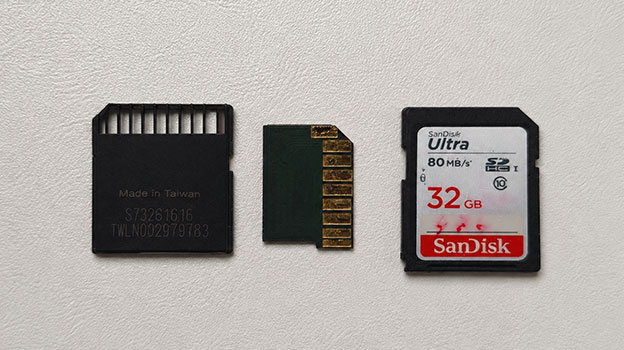
A 32-gigabyte SD card that appeared to be dead was revived by removing two shorted capacitors, according to a repair documented by electronics engineer Yevgeniy Kapishon.
Initial testing showed a direct short between the card’s supply rail and ground, which typically indicates a failed component. Unlike older SD cards, this model was constructed as a single molded package, preventing direct access to individual parts on a printed circuit board. To locate the fault, Kapishon used an X-ray machine and a thermal imaging camera to peer inside the sealed assembly.
By overlaying the thermal hot spot with the X-ray image, he identified two tiny capacitors near the edge of the package as the source of the short. After carefully removing the surrounding plastic with precision tools, he extracted the capacitors. Once removed, the short on the power rail disappeared, and the SD card powered on normally.
Shorts caused by multilayer ceramic capacitors (MLCCs) are a common failure in many electronic devices, from consumer gadgets to industrial equipment. In this case, the underlying NAND flash memory and controller were undamaged; only the passives had failed. After the capacitors were removed, the card was able to communicate with a computer, allowing data recovery.
The repair highlights a recurring issue in modern electronics: while many devices are designed to be disposable, the core storage components often remain functional even when minor parts fail. In SD cards, the rigid, molded packaging has made traditional repair methods obsolete, but Kapishon’s approach shows that, in some cases, targeted component removal can restore functionality without risking the integrity of the stored data.
The technique relied on non-destructive imaging to identify the faulty parts before any physical modification, minimizing the risk of damaging adjacent components. Once the capacitors were removed, the short was eliminated, and the card resumed normal operation.
This case adds to a growing body of anecdotal evidence that, despite being marketed as non-repairable, many solid-state storage devices can be recovered through careful component-level troubleshooting—provided the underlying memory remains intact.
Comments (0)
No comments yet — be the first to weigh in.
Related Coverage
 Technology
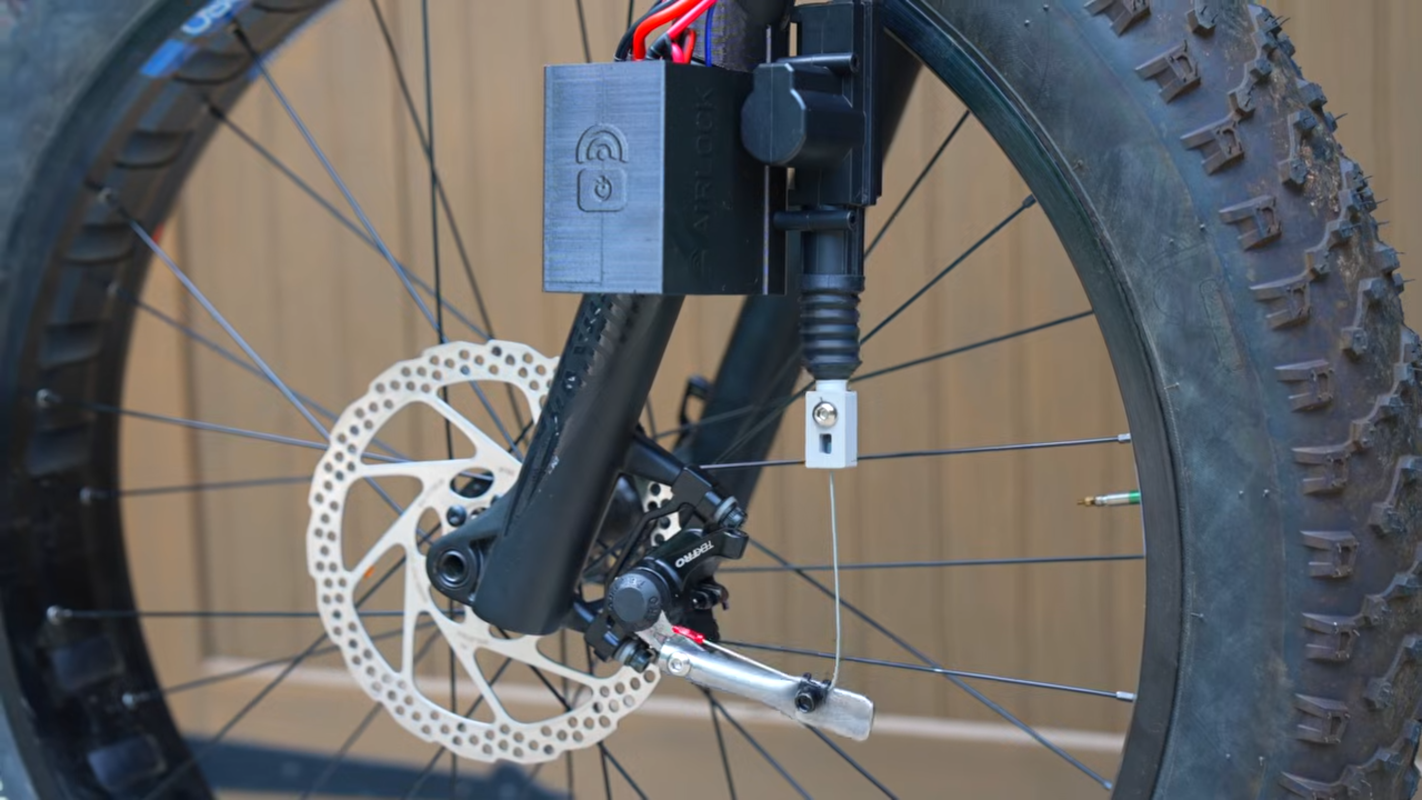
Wireless Fat Tire Brakes: ESP32‑Powered ABS and Remote Control Demo
Tested on a fat‑tire bike, the ESP32‑controlled wireless brakes add ABS, remote‑control, and a braking‑equalizer, showing the future of electronic mountain‑bike braking.
 Technology
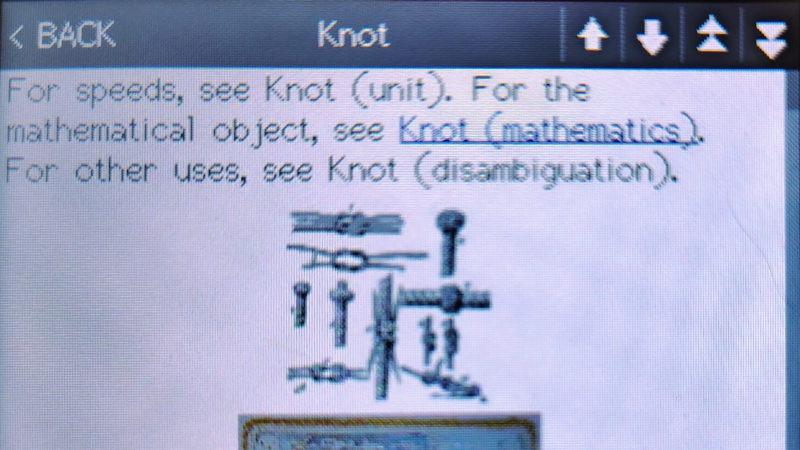
Wikipedia on a Cheap Yellow Display
A hobbyist has adapted the Cheap Yellow Display (CYD), a budget-friendly microcontroller board, to serve as an offline Wikipedia reader by running a customized...
 Technology
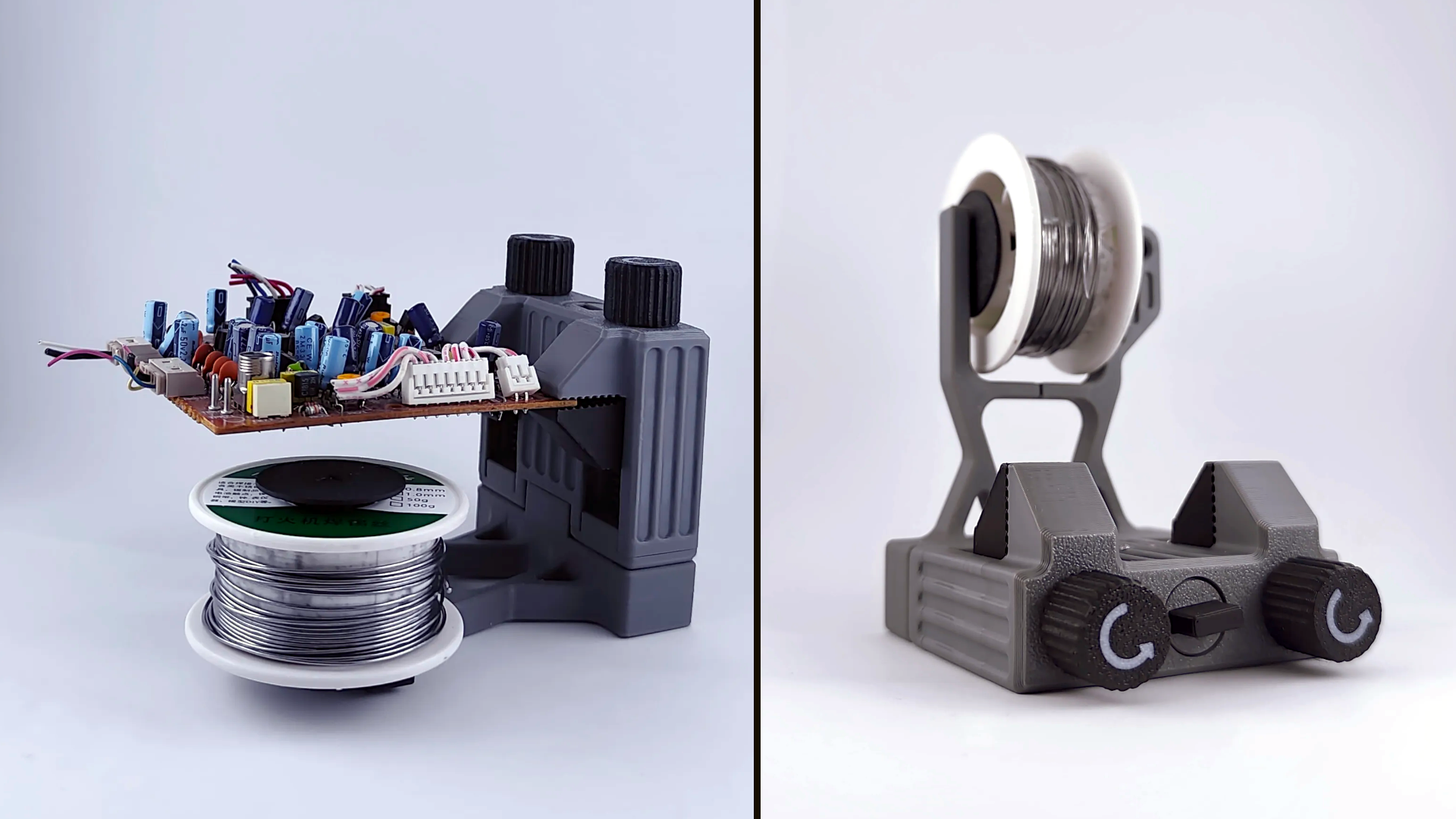
Compact PCB Vise Uses Up That Leftover Filament
A 3D-printed PCB vise created by a maker known online as Chefkoch offers enthusiasts a practical way to repurpose leftover filament spools while gaining a usefu...
 Technology
Apple Health App Revamp with AI Coach Set for September 2024 Release
Apple’s upcoming Health app overhaul, dubbed Project Mulberry, will add an AI health coach, blood‑sugar tracking and camera‑based workout guidance—likely launching in September 2024.
Most Read
Ian Frazier and Samy Burch Discuss 'Coyote vs. Acme' in The New Yorker

Latin America Energy Storage Forecast Jumps to 34 GW by 2035: Wood Mackenzie


Tarkowski strikes late to rescue point for Everton at Bournemouth
