The Fourth Circuit Says Border Agents Can Search Your Phone By Hand, No Suspicion Required

A federal appeals court has ruled that U.S. border agents may conduct manual searches of travelers’ electronic devices without any suspicion of wrongdoing, setting a lower legal standard for such inspections than for more advanced forensic searches.
The Fourth Circuit Court of Appeals, in a decision released Tuesday in U.S. v. Belmonte Cardozo, found that manual phone searches at the border do not require individualized suspicion, warrant or probable cause. The ruling applies to searches at ports of entry and airports within the Fourth Circuit, which covers Maryland, North Carolina, South Carolina, Virginia and West Virginia.
The Electronic Frontier Foundation (EFF) and civil liberties groups had argued that both manual and forensic device searches should be subject to the same Fourth Amendment standards, pointing to Supreme Court precedent in Riley v. California that recognized the vast privacy interests in smartphones. But the court disagreed, distinguishing manual searches as “routine” border inspections that do not trigger heightened scrutiny.
Jose Belmonte Cardozo was flagged by U.S. Customs and Border Protection (CBP) when he arrived at Washington Dulles International Airport from Bolivia. A CBP officer manually searched his phone and discovered images later identified as child sexual abuse material. Belmonte Cardozo was arrested and later indicted on federal charges.
The Fourth Circuit’s decision contrasts with its own earlier rulings on forensic device searches. In U.S. v. Kolsuz (2018), the court held that forensic searches require individualized suspicion of a transnational offense. In U.S. v. Aigbekaen (2019), it ruled that forensic searches supporting domestic investigations must be conducted under warrant. The Belmonte Cardozo panel, however, treated manual searches differently, finding them constitutionally permissible without suspicion.
The court cited four factors to justify the distinction: manual searches are human-driven, limited in scope, reveal only accessible data, and produce fleeting, unrecorded impressions. But the judges did not explain why these technical differences lower the constitutional bar. The EFF and its allies had contended that both search methods can expose the same deeply personal data—messages, photos, browsing history, location logs—that define modern life.
Critics argue that the time or method of searching does not diminish the privacy harm. Even a two-minute manual inspection can reveal intimate details. Improved device search tools can surface sensitive information almost instantly, making duration an unreliable measure of invasiveness.
The court did leave open the possibility that longer manual searches could trigger heightened scrutiny in future cases. But for now, border agents within the Fourth Circuit can conduct suspicionless manual device searches, effectively bypassing warrant requirements that would apply to searches conducted just a few miles inland.
The EFF plans to continue opposing warrantless, suspicionless device searches at the border and advocating for stronger privacy protections for digital data.
#FourthCircuit #EFF #BorderSearches #DigitalPrivacy #FourthAmendment #CBP #BelmonteCardozo
Comments (0)
No comments yet — be the first to weigh in.
Related Coverage
 Technology
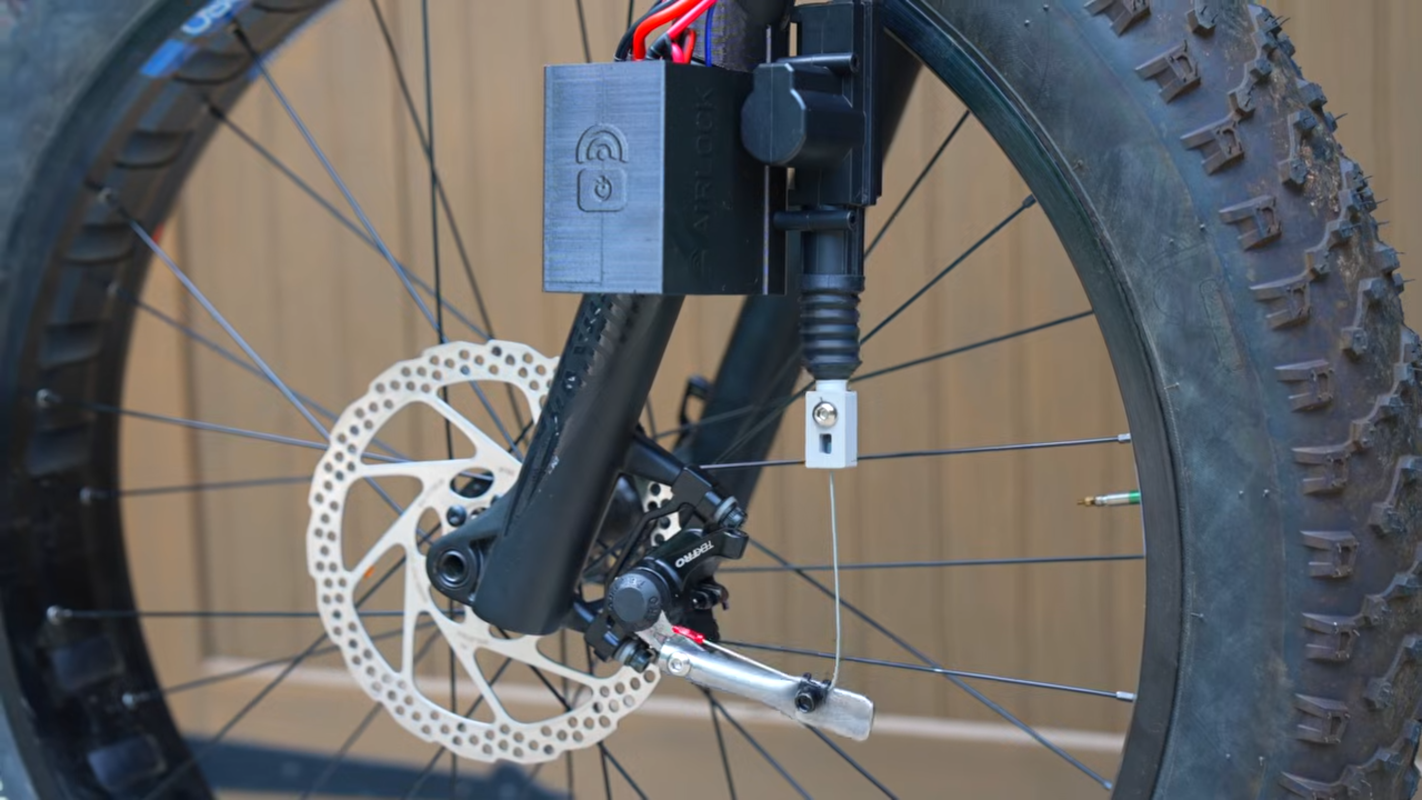
Wireless Fat Tire Brakes: ESP32‑Powered ABS and Remote Control Demo
Tested on a fat‑tire bike, the ESP32‑controlled wireless brakes add ABS, remote‑control, and a braking‑equalizer, showing the future of electronic mountain‑bike braking.
 Technology
Wikipedia on a Cheap Yellow Display
A hobbyist has adapted the Cheap Yellow Display (CYD), a budget-friendly microcontroller board, to serve as an offline Wikipedia reader by running a customized...
 Technology
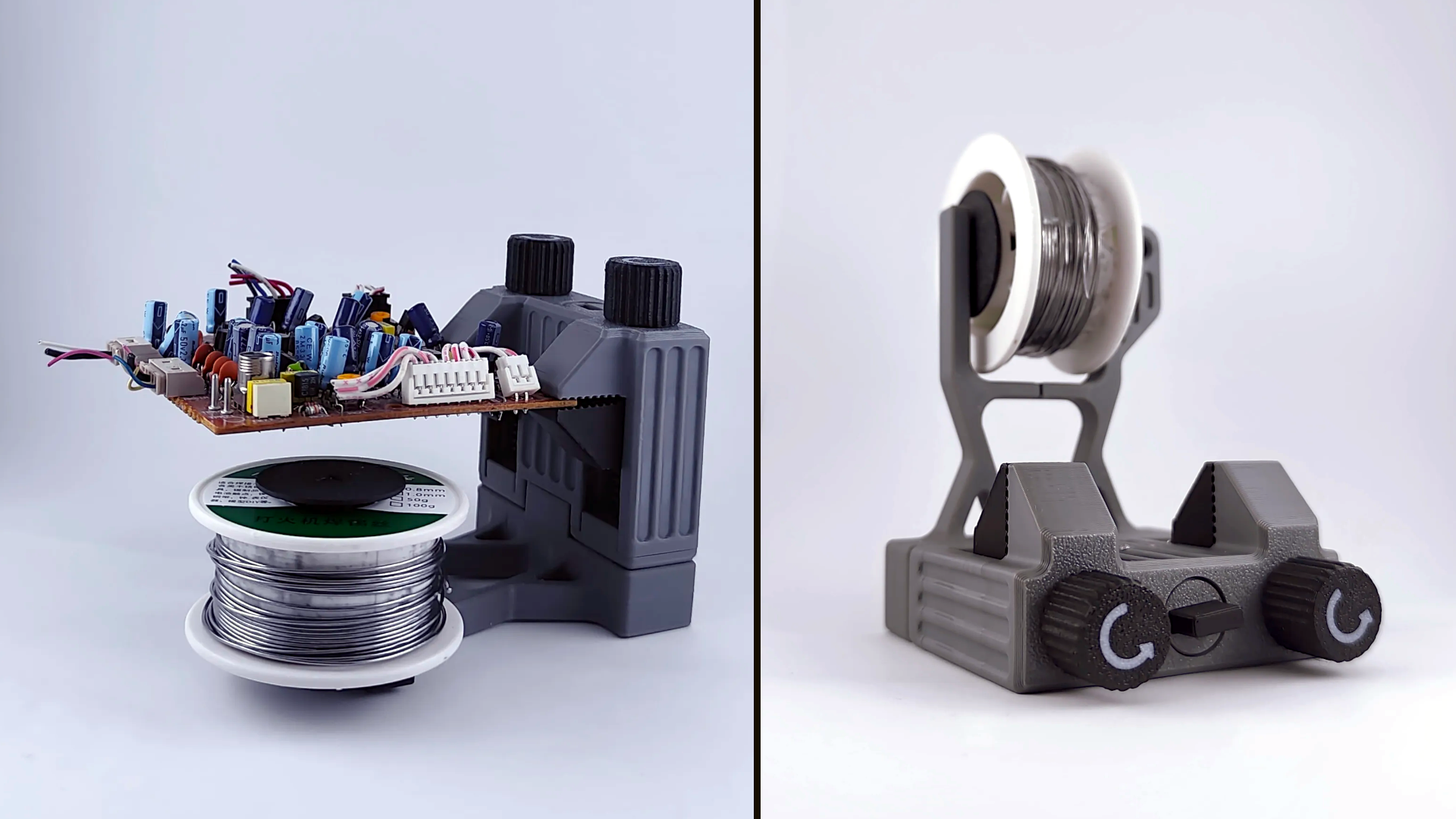
Compact PCB Vise Uses Up That Leftover Filament
A 3D-printed PCB vise created by a maker known online as Chefkoch offers enthusiasts a practical way to repurpose leftover filament spools while gaining a usefu...
 Technology
Apple Health App Revamp with AI Coach Set for September 2024 Release
Apple’s upcoming Health app overhaul, dubbed Project Mulberry, will add an AI health coach, blood‑sugar tracking and camera‑based workout guidance—likely launching in September 2024.
Most Read

Three-storey building collapses at Swaminarayan temple in Prayagraj, no casualties
Kai Bird Explores Roy Cohn's Influence on Donald Trump's America

Canada's Solar Energy Growth: Provinces Chart Diverse Paths to 2035 Goals

Autumn Hill Sentenced to 50 Years in Prison for Anti-ICE Protest: A Case of Political Persecution?
