Terminator 2: Judgment Day Turns 35: A Sci-Fi Classic's Legacy and Lessons
Explore how Terminator 2: Judgment Day remains a groundbreaking sci-fi film 35 years later, blending action, technology, and human frailty in its iconic narrative.

James Cameron’s Terminator 2: Judgment Day marks its 35th anniversary this week, a milestone for a film that redefined action cinema and left an indelible mark on popular culture. Released in 1991, the sequel to The Terminator expanded the franchise’s scope, blending high-octane action with a dystopian vision of the future. Directed by Cameron and starring Arnold Schwarzenegger, Linda Hamilton, and Edward Furlong, the movie remains a benchmark for visual effects and storytelling in science fiction.
The opening sequence of Terminator 2 thrusts viewers into a stark contrast between two timelines. The film begins in a near-future version of Los Angeles, where rush-hour traffic and children at play set a mundane tone—until the scene slows into a blinding whiteout. The shift then jumps to 2029, revealing a post-apocalyptic wasteland littered with skeletal remains. Sarah Connor’s (Linda Hamilton) voiceover delivers the ominous warning: “Three billion human lives ended on August 29, 1997. The survivors of the nuclear fire called the war Judgment Day.” This sets the stakes for a narrative centered on time travel, artificial intelligence, and humanity’s self-destructive tendencies.
While the Terminator films are often framed as cautionary tales about technology, Cameron’s focus has always been on human agency—or the lack thereof. The franchise explores how societies misuse advanced systems, from nuclear weapons to autonomous machines. In Terminator 2, Schwarzenegger’s T-800 cyborg delivers a chilling line to John Connor (Edward Furlong): “It is in your nature to destroy yourselves.” The observation underscores the film’s deeper theme: that humanity’s flaws, not machines, pose the greatest threat.
Beyond its thematic depth, Terminator 2 revolutionized filmmaking. Cameron pioneered CGI and digital effects, pushing boundaries that would shape modern cinema. Yet the film’s legacy also reflects ongoing debates about technological intervention in art. A new 4K restoration, reportedly playing in theaters this week, showcases both the advancements and pitfalls of digital restoration. While some enhancements—like replacing stunt doubles’ faces with Schwarzenegger’s—improve clarity, others strip away the film’s original texture. Grain reduction, though intended to sharpen images, flattens the organic imperfections that defined classic celluloid.
Critics and fans have long debated the ethics of film preservation versus tinkering. Cameron’s tendency to revisit his work—whether through remastering or re-editing—has sparked discussions about artistic intent versus historical fidelity. For purists, the 4K version risks losing the visual warmth of the original 1991 release. Yet the debate extends beyond aesthetics: Who decides how future audiences experience a film? Is it the director’s right to refine their work, or should preservationists safeguard the original version?
Terminator 2’s enduring appeal lies in its balance of spectacle and substance. It remains a touchstone for action films while prompting questions about technology’s role in society. As Cameron continues to innovate, the film’s legacy serves as a reminder: progress without reflection risks repeating past mistakes.
#Terminator2 #JamesCameron #ArnoldSchwarzenegger #LindaHamilton #EdwardFurlong #SciFiMovies #FilmRestoration #MovieAnniversary
Comments (0)
No comments yet — be the first to weigh in.
Related Coverage
 Politics
Headlines for August 26, 2026
Iran has resumed talks with Oman about managing the Strait of Hormuz while tensions in the region remain high, despite economic pressure from the United States....
 Politics
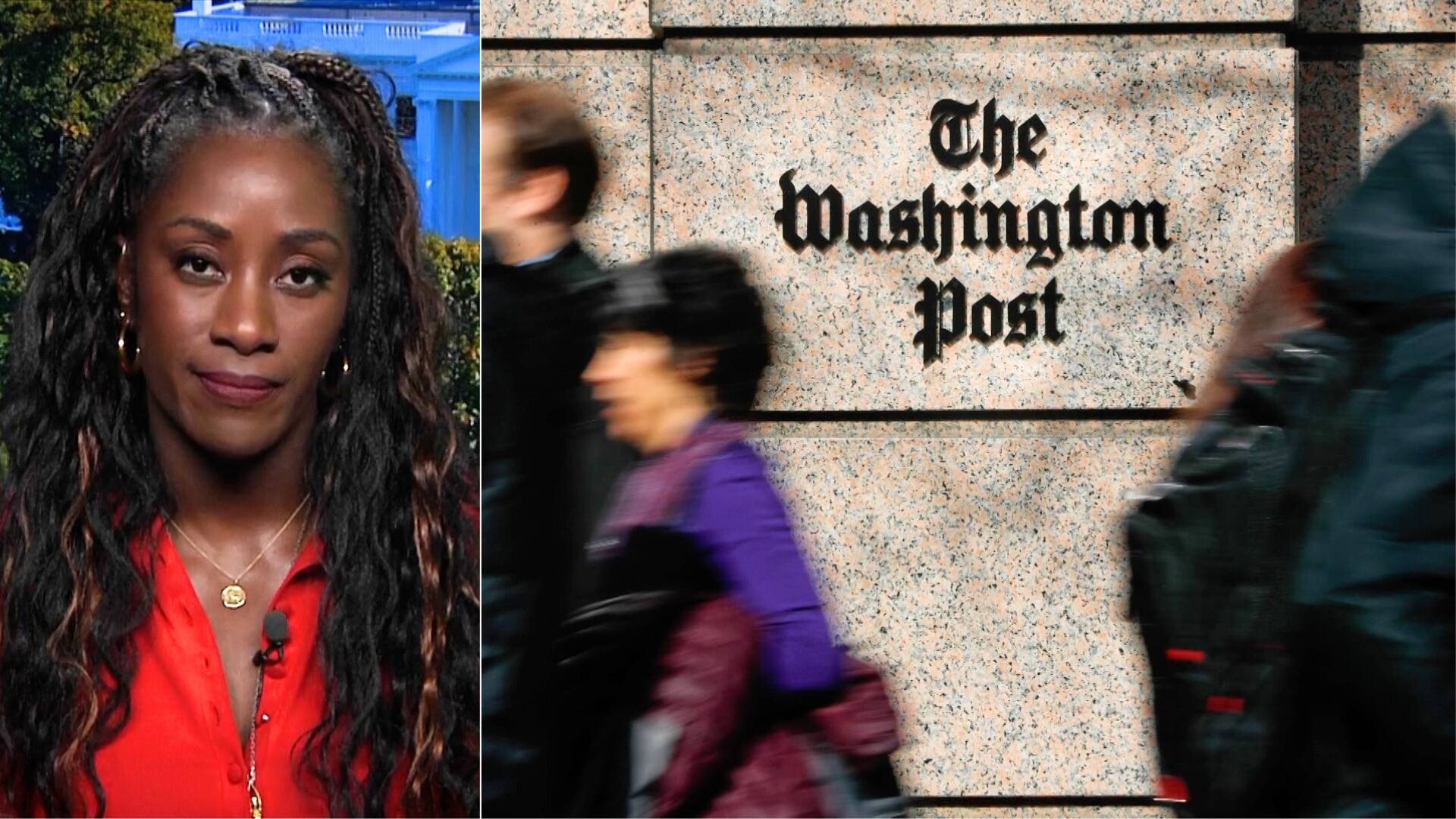
Karen Attiah Wins Reinstatement at Washington Post After Arbitration Victory
Award-winning Washington Post columnist Karen Attiah has been reinstated with back pay after an arbitrator ruled in her favor following her controversial firing over social media posts about Charlie Kirk.
 Politics
Supreme Court Allows Trump’s Mail-In Voting Restrictions to Proceed: What It Means for Midterms
The Supreme Court’s 6-3 decision lifts an injunction on Trump’s executive order restricting mail-in voting, raising concerns over potential voter disenfranchisement ahead of the midterm elections.
 Politics
Robert Reich Warns Most Americans Are Getting Poorer Despite Stock Market Highs
Economist Robert Reich criticizes Treasury Secretary Scott Bessent's dismissal of the K-shaped economy, arguing wage stagnation and inflation are worsening inequality.
Most Read
Ian Frazier and Samy Burch Discuss 'Coyote vs. Acme' in The New Yorker

Latin America Energy Storage Forecast Jumps to 34 GW by 2035: Wood Mackenzie

Tarkowski strikes late to rescue point for Everton at Bournemouth
