Startup bags $7M to build drone-interceptor-in-a-backpack systems
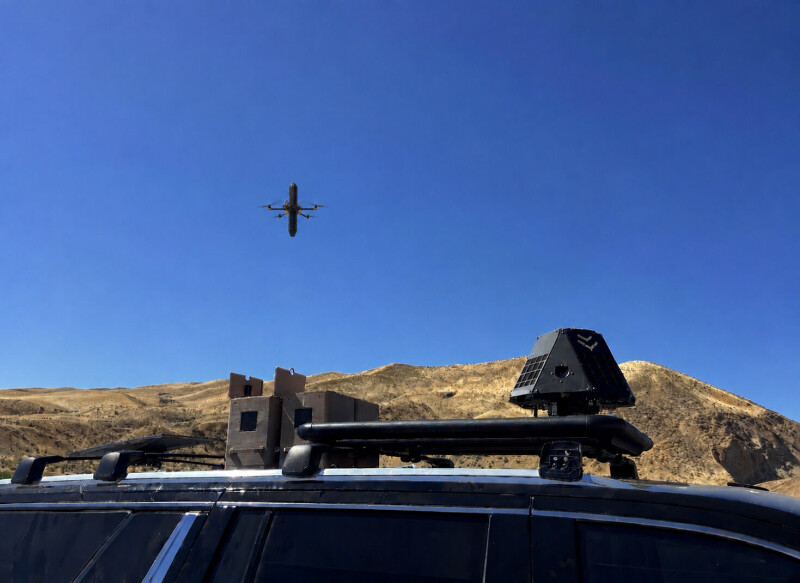
A San Francisco-based defense startup has raised $7 million to develop and deploy its Spike counter-drone system, designed to neutralize swarms of small, explosive-laden FPV (First-Person View) drones increasingly used in modern combat zones such as Ukraine.
Mara, the company behind the system, secured the funding to bring its modular Spike solution to market. The system uses a network of small, tube-launched kinetic interceptors called Seekers, which weigh about 250 grams and travel at speeds up to 200 km/h (124 mph). Each Seeker is equipped with onboard intelligence to autonomously track and intercept targets. The system is complemented by Spotter units, which integrate electro-optical, acoustic, and optional low-signature radar sensors for detection and tracking in all weather conditions and at any time of day.
Mara emphasizes that its Spike system offers scalable protection, ranging from a single portable rucksack kit to protect a small squad, to a vehicle-mounted launcher capable of firing multiple interceptors, or even a perimeter defense setup covering several kilometers around a base. A single launcher can hold up to 48 Seekers and can be reloaded in under a minute, according to the company.
Daniel Kofman, co-founder and CEO of Mara, highlighted the growing threat posed by small drones on the battlefield. “Small drones changed the battlefield because they distributed the cost and capability of precise attack,” he said in a statement. “Many defensive countermeasures are concentrated into one costly point solution. Spike creates a distributed mesh of small, cheap nodes that can each aim and shoot in multiple directions at once.”
Mara reports that components of the Spike system have already undergone testing by potential customers. The Seeker interceptor successfully completed intercepts guided by U.S. Army systems during a military exercise in Texas. The Spotter sensor unit has also been deployed on an armored vehicle during an exercise in Europe, and was recently operated by Ukrainian forces near the front lines in their country, where it tracked multiple FPV drones.
The company says it has research and testing agreements with three U.S. defense organizations and is in early discussions with military partners in the United Kingdom, Czech Republic, and Ukraine. The $7 million funding round was led by Khosla Ventures.
Mara has not yet provided additional details such as the operational range of the Seeker interceptors or their cost per unit.
#CounterDroneTech #MilitaryTech #DroneDefense #MaraDefense #KhoslaVentures #FPVDrones #UkraineWar
Comments (0)
No comments yet — be the first to weigh in.
Related Coverage
 Technology
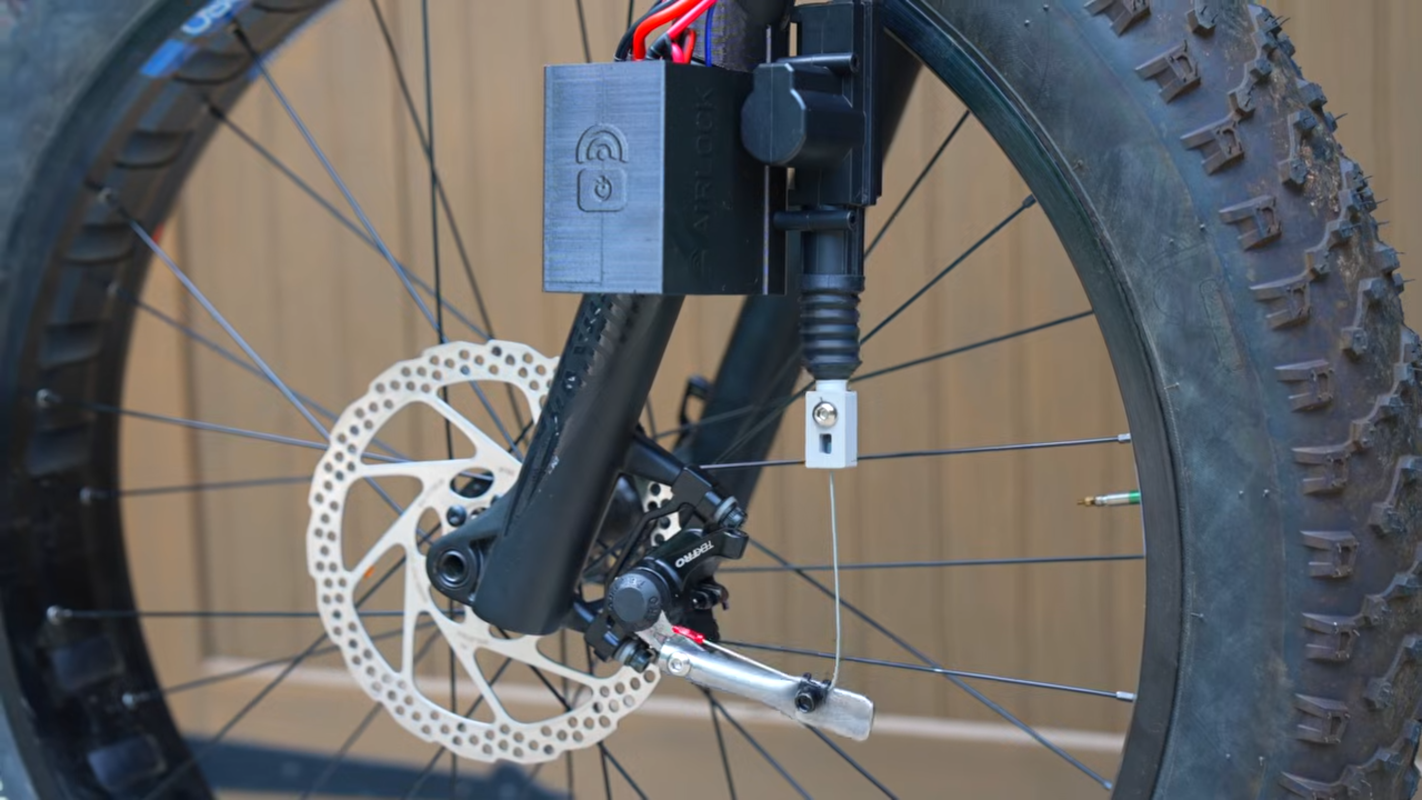
Wireless Fat Tire Brakes: ESP32‑Powered ABS and Remote Control Demo
Tested on a fat‑tire bike, the ESP32‑controlled wireless brakes add ABS, remote‑control, and a braking‑equalizer, showing the future of electronic mountain‑bike braking.
 Technology
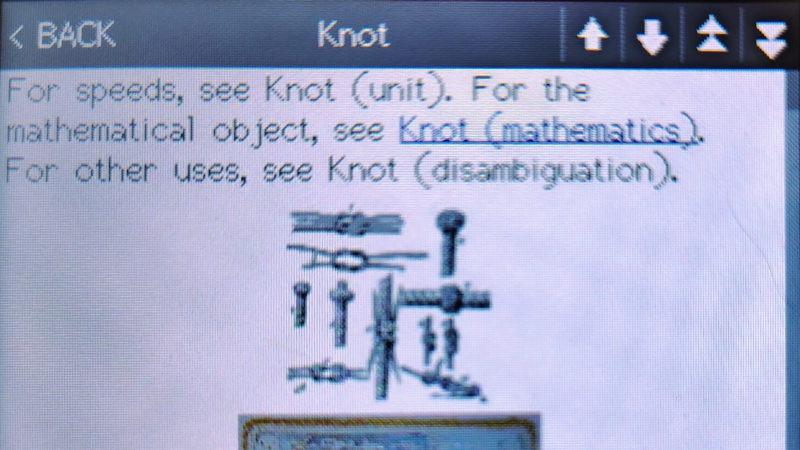
Wikipedia on a Cheap Yellow Display
A hobbyist has adapted the Cheap Yellow Display (CYD), a budget-friendly microcontroller board, to serve as an offline Wikipedia reader by running a customized...
 Technology
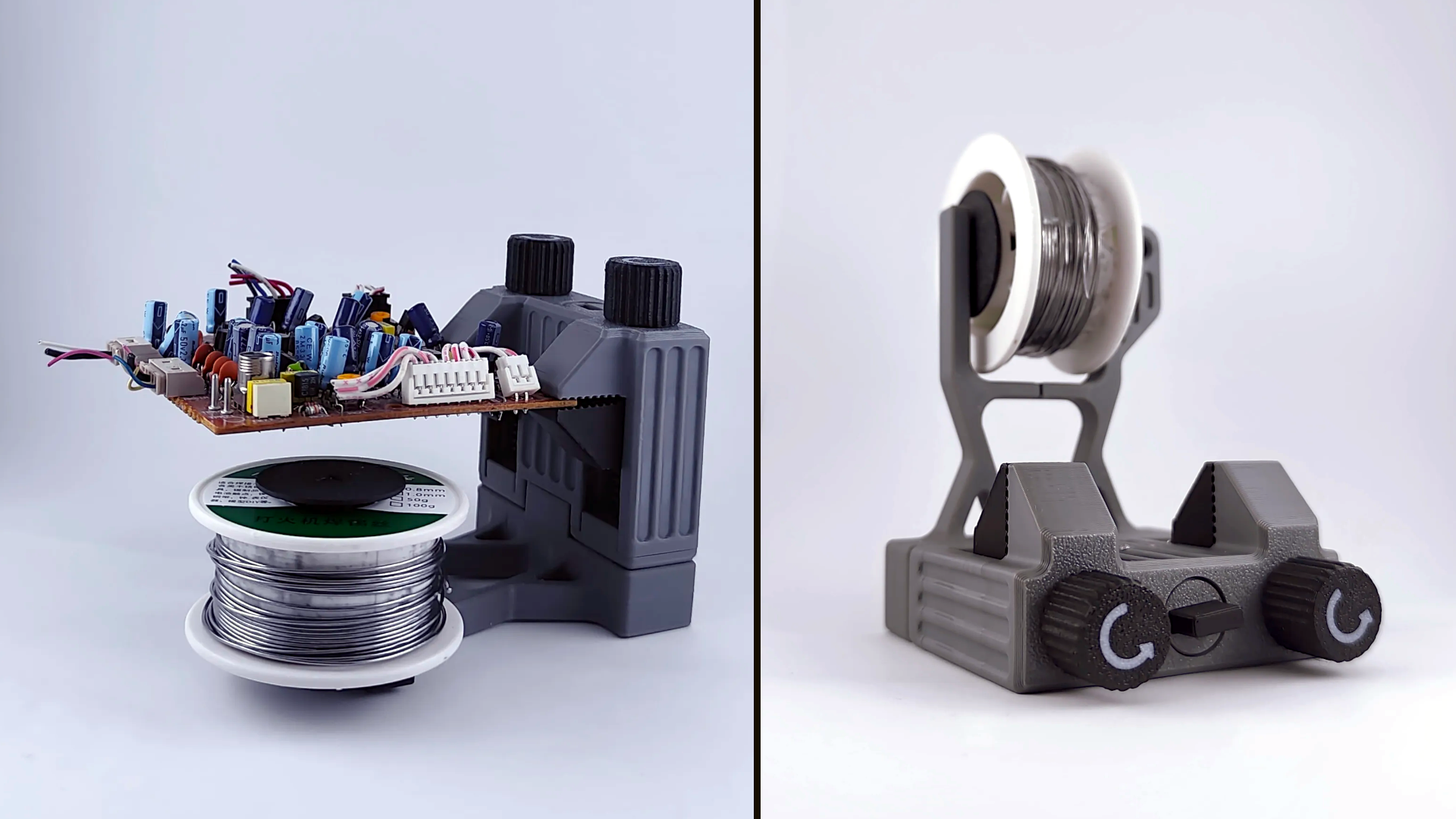
Compact PCB Vise Uses Up That Leftover Filament
A 3D-printed PCB vise created by a maker known online as Chefkoch offers enthusiasts a practical way to repurpose leftover filament spools while gaining a usefu...
 Technology
Apple Health App Revamp with AI Coach Set for September 2024 Release
Apple’s upcoming Health app overhaul, dubbed Project Mulberry, will add an AI health coach, blood‑sugar tracking and camera‑based workout guidance—likely launching in September 2024.
Most Read
Ian Frazier and Samy Burch Discuss 'Coyote vs. Acme' in The New Yorker
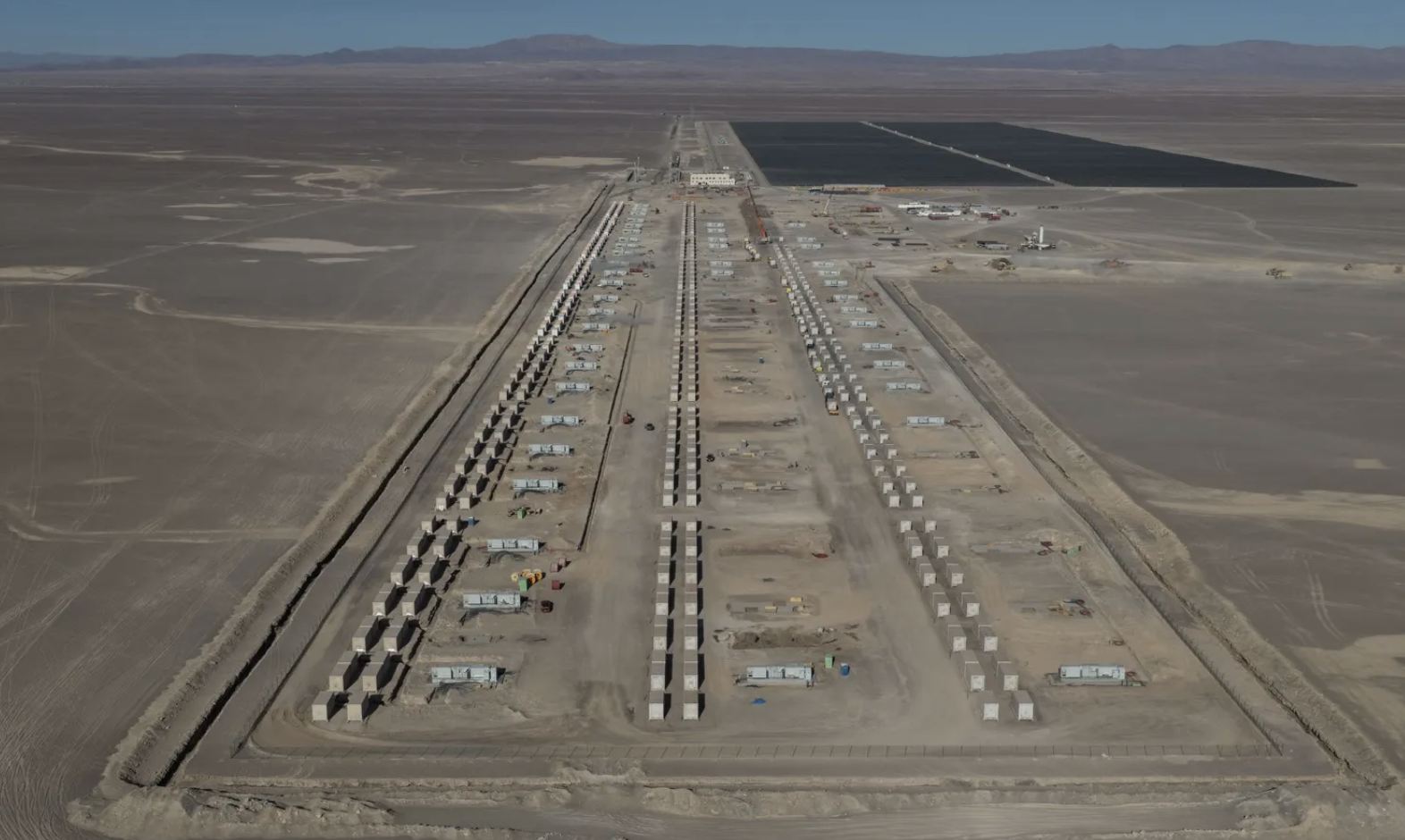
Latin America Energy Storage Forecast Jumps to 34 GW by 2035: Wood Mackenzie


Tarkowski strikes late to rescue point for Everton at Bournemouth
