Same As It Ever Was

The long-running online publication Hackaday has weighed in on the growing role of large language models in hardware and software development, reaffirming its commitment to human-driven innovation while acknowledging the increasing presence of AI-assisted projects in its community.
Hackaday, which has covered maker culture and engineering projects for more than two decades, says it remains focused on the creative spark behind a build rather than the tools used to create it. The site’s editorial stance is clear: whether a project’s code was written by a human, an LLM, or a combination of both, what matters most is whether the result is technically sound, original, and inspiring to other builders.
The discussion comes as AI tools like large language models are being used to generate documentation, suggest code snippets, and even draft entire project write-ups. Hackaday acknowledges that many recent submissions show the influence of these tools, from plausible-looking but nonsensical circuits to claims that violate basic physical laws. The site compares today’s AI-generated projects to the perpetual motion machines of past eras—clearly flawed but persistent attempts to bypass fundamental engineering constraints.
Hackaday has been publishing reader projects since 2002, predating both YouTube and Stack Overflow, and has seen countless trends come and go. Yet its core mission remains unchanged: to highlight ingenuity and craftsmanship, whatever tools were used. The publication does not plan to quantify “human vs. AI” contributions in project write-ups, nor does it intend to treat AI-assisted projects differently as long as they demonstrate real creativity and technical merit.
In a broader sense, Hackaday’s stance reflects a broader debate within the maker and open-source hardware communities about authenticity, attribution, and the evolving role of automation in engineering. While some builders embrace AI as a productivity aid, others worry it may dilute original thinking or flood the ecosystem with low-effort, high-noise content.
Ultimately, Hackaday’s message is one of pragmatism: it will continue to feature projects that inspire its audience, regardless of the tools used to create them. The goal is to elevate signal over noise, helping readers separate genuine innovation from computer-generated fluff.
#Hackaday #AIcoding #MakerCulture #OpenSource #LLMs #HardwareHacks #TechJournalism
#Hackaday #AIassistedprojects #LLMtools #MakerCommunity #EngineeringInnovation #TechWriting
Comments (0)
No comments yet — be the first to weigh in.
Related Coverage
 Technology
Wikipedia on a Cheap Yellow Display
A hobbyist has adapted the Cheap Yellow Display (CYD), a budget-friendly microcontroller board, to serve as an offline Wikipedia reader by running a customized...
 Technology
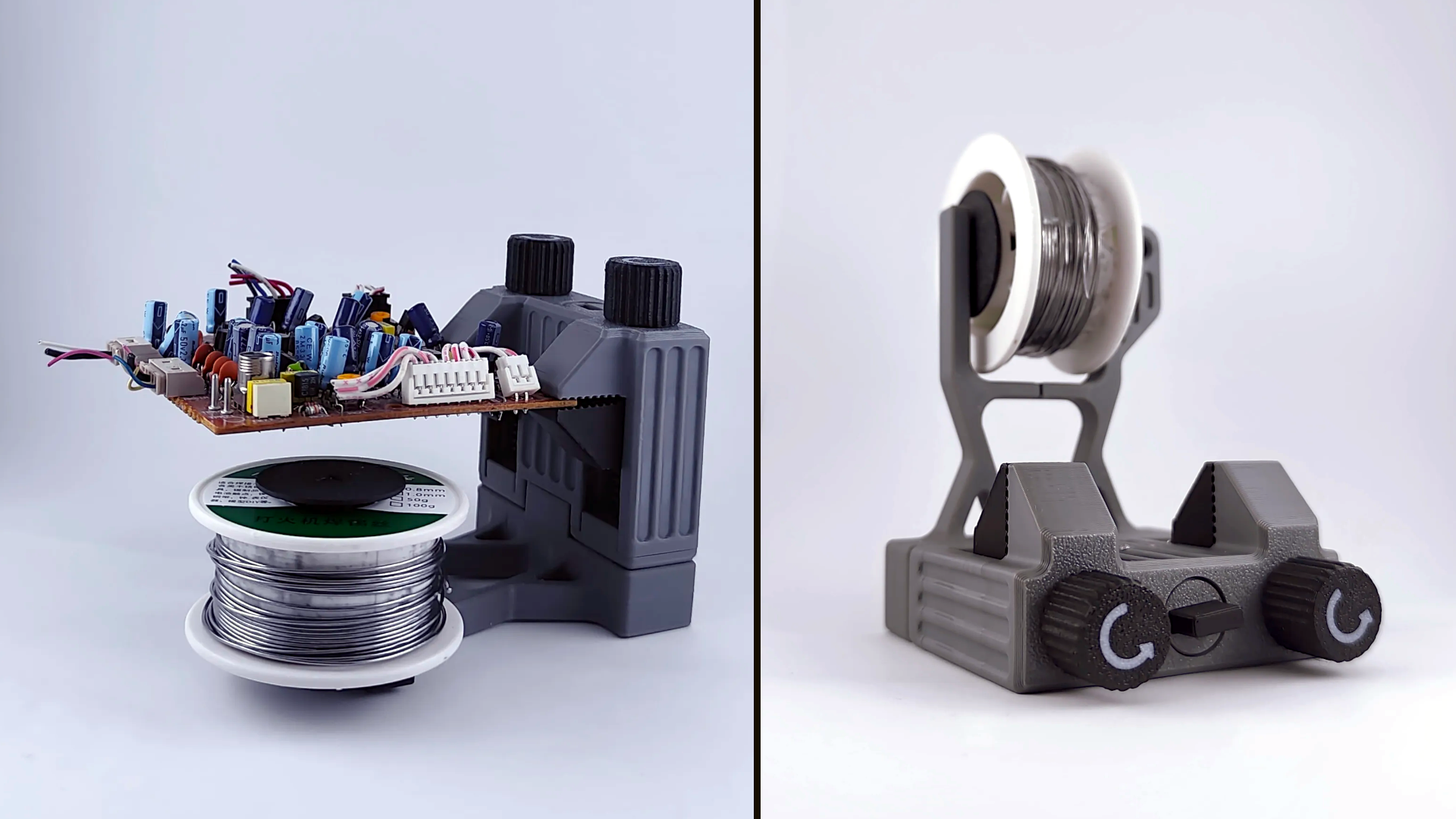
Compact PCB Vise Uses Up That Leftover Filament
A 3D-printed PCB vise created by a maker known online as Chefkoch offers enthusiasts a practical way to repurpose leftover filament spools while gaining a usefu...
 Technology
Apple Health App Revamp with AI Coach Set for September 2024 Release
Apple’s upcoming Health app overhaul, dubbed Project Mulberry, will add an AI health coach, blood‑sugar tracking and camera‑based workout guidance—likely launching in September 2024.
 Technology
Apple Card keeps getting better, here’s everything new
Apple Card continues to evolve with new features and benefits as it marks seven years since its launch. Apple, in partnership with Goldman Sachs and soon Chase,...
Most Read

USS Abraham Lincoln Sailors Face Extreme Neglect After Record Deployment

Chile’s Hybrid Solar Revolution: Growth, Policy, and Utility-Scale Trends

Robert Reich Warns Most Americans Are Getting Poorer Despite Stock Market Highs

Moses Itauma on fame, books, and his IBF heavyweight title fight