Chile’s Hybrid Solar Revolution: Growth, Policy, and Utility-Scale Trends
Explore Chile’s solar energy boom driven by government incentives and hybrid models, powering growth near Santiago and utility-scale expansion.

Chile’s solar power sector has achieved notable growth over the past decade, driven by government incentives and strategic geographic placement of installations. The country’s renewable energy expansion, particularly in solar photovoltaics (PV), has positioned it as a regional leader in clean energy adoption. Developments in Chile’s solar industry have been shaped by policies such as feed-in tariffs and competitive auctions, which have encouraged both small-scale and utility-scale solar projects. Most solar capacity has been concentrated in the central regions of Chile, near Santiago and the primary electricity demand centers, while large-scale projects have increasingly targeted the Atacama Desert in the north, known for its exceptional solar irradiance.
The growth of Chile’s solar sector began in earnest around 2012, following the implementation of remuneration mechanisms designed to support small-scale renewable energy installations. These policies, including net metering and power purchase agreements, enabled numerous developers to deploy distributed solar systems across central Chile. The capital region, Santiago, and surrounding provinces became early hubs for rooftop and ground-mounted solar arrays due to proximity to grid infrastructure and end-users.
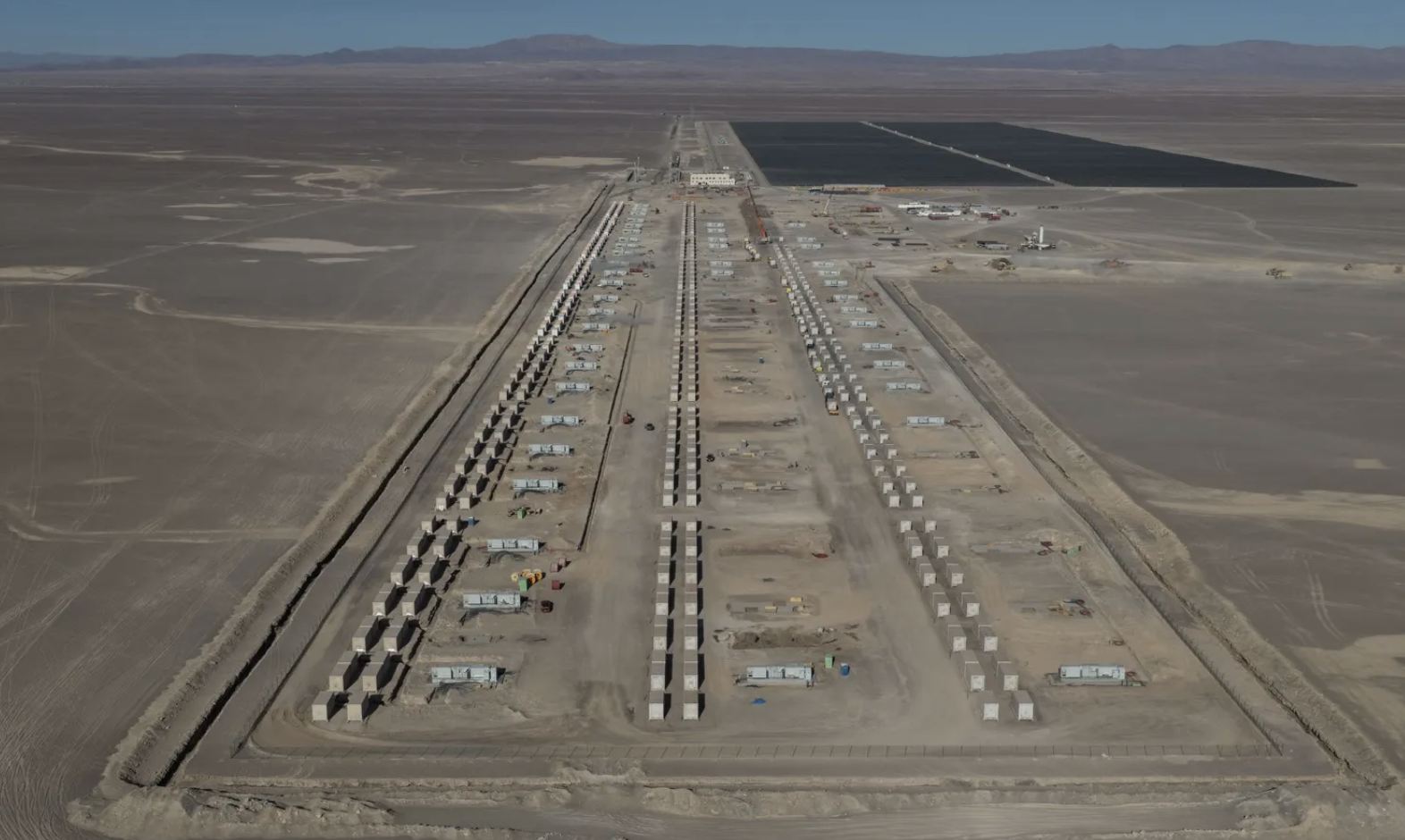
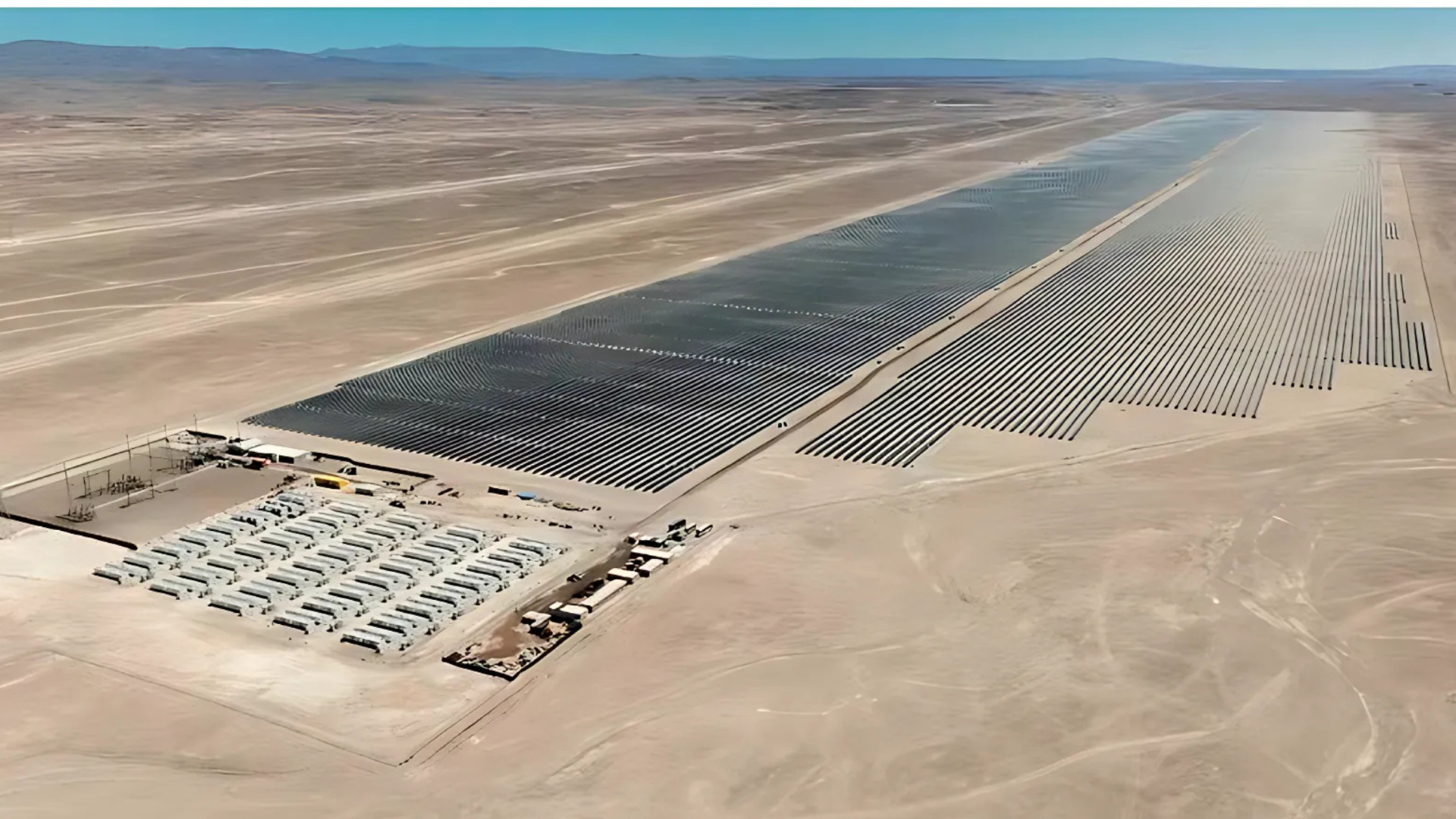
Utility-scale solar in Chile, by contrast, has largely concentrated in the Atacama Desert, a region famed for receiving some of the highest levels of solar radiation in the world. Major projects such as the El Romero Solar plant, developed by Spanish energy company Acciona, and the more recent Luz del Norte facility by First Solar, have demonstrated the viability of large-scale solar in one of the driest places on Earth. These developments have helped Chile exceed 10 gigawatts (GW) of installed solar capacity as of 2024, according to government and industry reports.
The Chilean government, through the Ministry of Energy and the Energy Sustainability Agency (AgenciaSE), has played a central role in accelerating solar deployment. Competitive tenders, such as those conducted under the “Energía 2050” roadmap, have driven down solar power costs and attracted international investment. The country’s commitment to carbon neutrality by 2050 has further reinforced its focus on renewables, with solar expected to supply a growing share of electricity in the national grid.
Chile’s solar success is not without challenges. Grid congestion in central regions has occasionally limited the integration of new projects, while water scarcity in the Atacama poses operational concerns for some facilities. Nonetheless, technological advances in energy storage—particularly the integration of lithium-ion batteries with solar farms—are helping to stabilize supply and manage intermittency.
Industry analysts highlight Chile’s regulatory stability and clear long-term energy goals as key factors in its solar leadership. The country now ranks among the top solar markets in Latin America, alongside Brazil and Mexico, and continues to attract global players in renewable energy.
#ChileSolar #RenewableEnergy #Santiago #AtacamaDesert #SolarPower #LatinAmericaEnergy #AccionaEnergy #FirstSolar
Comments (0)
No comments yet — be the first to weigh in.
Related Coverage
 Environment
Canada's Solar Energy Growth: Provinces Chart Diverse Paths to 2035 Goals
Canada's solar sector shows uneven growth across provinces, with incentives in Quebec and Ontario driving expansion, while others reconsider net metering policies amid US trade uncertainties.
 Environment
Latin America Energy Storage Forecast Jumps to 34 GW by 2035: Wood Mackenzie
Wood Mackenzie’s latest outlook projects Latin America’s energy storage capacity to surge to 34 GW by 2035, driven by regulatory frameworks and renewable integration needs. Key markets include Chile, Brazil, and Mexico.
 Environment
Africa's First PV-Driven Hydrogen Hub Begins Operations in Namibia
CMB-TECH launches Africa's first fully integrated green hydrogen facility in Walvis Bay, Namibia, powered by 5 MW solar and advanced PEM electrolyzers. Discover future plans, applications, and global hydrogen developments.
 Environment
Global renewable energy investments hit $327.5B in H1 2026, solar-plus-storage surges
Renewable energy investment in H1 2026 reached $327.5B globally, with co-located solar-plus-storage projects attracting a record $25B.
Most Read
Canada's Solar Energy Growth: Provinces Chart Diverse Paths to 2035 Goals

Autumn Hill Sentenced to 50 Years in Prison for Anti-ICE Protest: A Case of Political Persecution?

Hull City Secure 1-0 Away Win at Coventry, Maintain Perfect Premier League Start

DSM-6 to Integrate Biology in Mental Health Diagnosis for First Time