Rising U.S. Treasury Bond Yields: Causes, Impact, and Political Response
Explore the reasons behind the 19-year high in 30-year U.S. Treasury bond yields, their economic implications, and Treasury Secretary Scott Bessent's role in addressing the surge.

The yield on the 30-year U.S. Treasury bond reached 5.33 percent last week, the highest level in 19 years, raising concerns about its impact on both domestic and global economies. This surge has prompted U.S. Treasury Secretary Scott Bessent to take action to stabilize rates, but the situation involves complex economic forces and political considerations.
The rise in yields reflects broader trends in the U.S. bond market, where supply and demand dynamics are shifting. The total U.S. national debt has surpassed $40 trillion, with about $32 trillion held by the market—an amount equal to the country’s gross domestic product. This massive debt load, combined with persistent inflation concerns and increased competition from other investment avenues such as equities and private debt, is driving down bond prices and pushing yields higher.
Inflation remains a key factor, currently at 3.7 percent, which erodes the real value of fixed-income investments like Treasury bonds. Investors are increasingly seeking alternatives that offer better protection against inflation, reducing demand for government debt. Additionally, the sheer volume of new debt issuance—amounting to $8 trillion to $10 trillion annually—further pressures the market. The Federal Reserve’s role in managing these fluctuations is central, though its tools and objectives differ from those of the Treasury Department.
Scott Bessent, a former bond trader, has taken a hands-on approach to addressing rising yields, drawing on his market experience. His interventions, including swap lines for Argentina and currency support efforts, have drawn scrutiny over whether the Treasury is overstepping its bounds. While Bessent’s technical knowledge of bond markets is evident, his actions have raised questions about coordination with the Federal Reserve, particularly under the leadership of new Fed Chair Kevin Warsh. Traditionally, the Fed has managed such interventions, and its independence could be affected by Treasury’s moves.
Economists debate the long-term implications of these interventions. Some argue that modern monetary theory could allow the Treasury to directly influence yields by creating new purchasing power, but such a move would disrupt existing financial systems. Bessent’s strategy appears driven by political directives, with uncertain outcomes for market stability. The broader global bond market is also experiencing similar pressures, with yields rising across advanced economies, though China’s closed financial system has shielded it from similar trends.
The situation underscores the delicate balance between fiscal policy, monetary policy, and market forces, with outcomes that will reverberate through both the U.S. and international economies.
#USTreasuryYields #BondMarket #ScottBessent #FederalReserve #U.S.Debt #Inflation #KevinWarsh
Comments (0)
No comments yet — be the first to weigh in.
Related Coverage
Group Chats as Modern-Day Community: How Digital Threads Keep Friends Connected
Group chats act as modern lifelines, blending humor, support, and shared memories—mirroring Cullen’s intimate letters, they keep friends connected across distance.
Nicole Rifkin’s New Yorker Cover Honors Dolly Parton’s Legacy
Artist Nicole Rifkin’s New Yorker cover commemorates Dolly Parton, celebrating her music and philanthropy. Discover more iconic musician covers.
The New Yorker's Daily Cartoon: August 28th Humor & Caption Contest
Explore The New Yorker's Daily Cartoon for August 28th, featuring humor, a caption contest, and insights from a self-declared next president.
Kai Bird Explores Roy Cohn's Influence on Donald Trump's America
Historian Kai Bird analyzes Roy Cohn's role in shaping Donald Trump's political and personal ethos in this insightful New Yorker feature.
Most Read

Hull City's Perfect Premier League Start: Two Wins in Two Games, Historic Feat
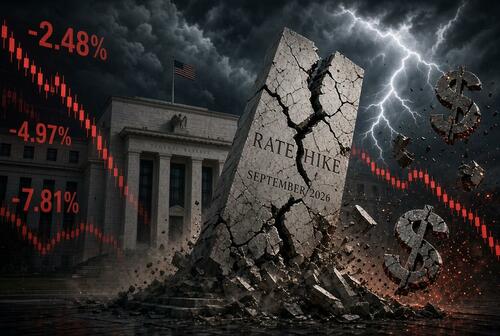
Central Banks Risk Recession with Misguided September Rate Hikes


Aston Villa close to £65m deal for Chelsea striker Nicolas Jackson
