Rachel Cusk's Autofiction: Truth, Fiction, and Literary Evolution
Explore Rachel Cusk's literary journey from confessional memoirs to autofiction, examining truth, gendered reception, and the blurred lines between fact and fiction.

The question of autofiction—whether it prioritizes truth or compelling storytelling—has long been a subject of literary debate. The genre, which typically features an author-like protagonist exploring autobiographical material, gained prominence in the 2010s through works by writers such as Sheila Heti, Annie Ernaux, and Karl Ove Knausgaard. British-Canadian author Rachel Cusk became a defining figure in this movement, transitioning from well-received domestic novels to controversial memoirs that blurred the line between personal confession and literary experimentation.
Cusk’s literary evolution reflects broader cultural shifts in how personal narratives are received. After publishing acclaimed early works like *Saving Agnes* (1993), she turned to raw, introspective memoirs such as *Aftermath* (2012), which documented her divorce and the differing narratives of her ex-husband and herself. In *Aftermath*, she wrote, “My husband believed that I had treated him monstrously. This belief of his couldn’t be shaken: his whole world depended on it. It was his story, and lately I have come to hate stories. If someone were to ask me what disaster this was that had befallen my life, I might ask if they wanted the story or the truth.”
Born in Los Angeles and raised in Suffolk and Cambridge, Cusk studied English at Oxford before establishing herself as a novelist. Her reputation grew with the *Outline* trilogy (2014–2018), which eschewed traditional character development in favor of a detached, observational style. “I don’t think character exists anymore,” she told *The New Yorker* in 2018. Her later work, including the recent novel *Life of M*, continues this exploration, shifting further from memoir toward fable-like storytelling.
Cusk’s rejection of conventional fiction as “fake and embarrassing” signals her disillusionment with traditional narrative forms. Her writing now leans into ambiguity, as seen in *Life of M*, which plays with reader expectations and may draw from her own life. Unlike the unflinching directness of memoirists like Annie Ernaux or Neige Sinno—whose works confront trauma with stark honesty—Cusk adopts a more oblique approach. In *Life of M*, she describes a book by a woman testifying to abuse, noting its unusual tone and the way it is “seized upon and swallowed down, like a draught of something for which people were thirsty.”
This shift coincides with broader cultural skepticism toward confessional writing, once championed by feminists as a tool for exposing patriarchal oppression. However, the genre has faced criticism for its perceived self-indulgence and lack of broader context. Cusk herself has weathered backlash, particularly after *A Life’s Work* (2001), a memoir on motherhood that challenged societal expectations. She later reflected on the polarized reactions, noting that many readers judged the book not as literature but as a personal indictment of motherhood.
As autofiction continues to evolve, Cusk’s work remains a key example of how writers navigate the tension between truth and narrative. Whether through memoir, autofiction, or fable, her writing interrogates the limits of self-revelation and the instability of identity. In an era where personal storytelling dominates yet is increasingly scrutinized, her approach offers a provocative alternative—one that embraces elision over exposition, and authority through absence rather than confession.
Comments (0)
No comments yet — be the first to weigh in.
Related Coverage
 Politics
Headlines for August 26, 2026
Iran has resumed talks with Oman about managing the Strait of Hormuz while tensions in the region remain high, despite economic pressure from the United States....
 Politics
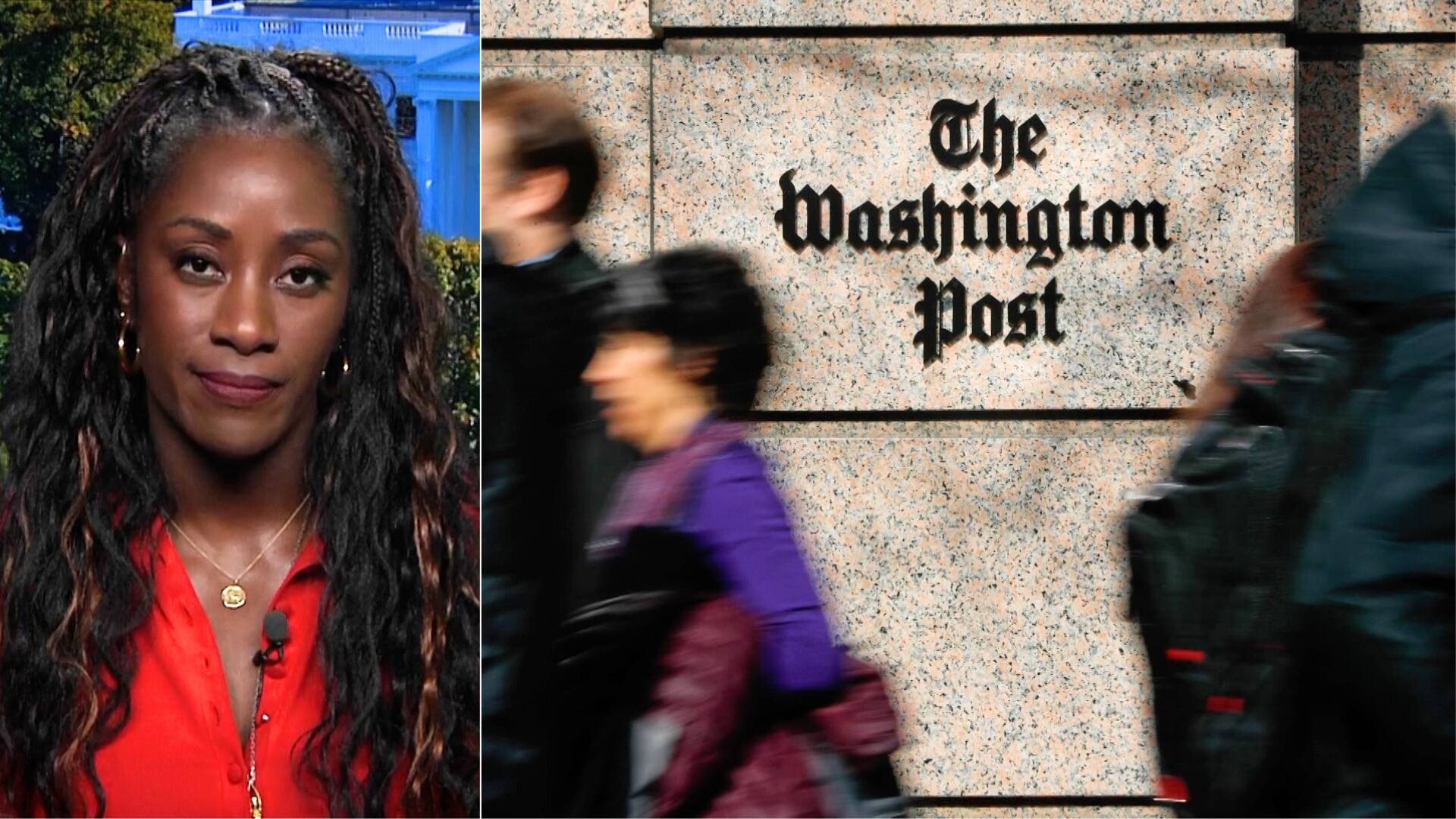
Karen Attiah Wins Reinstatement at Washington Post After Arbitration Victory
Award-winning Washington Post columnist Karen Attiah has been reinstated with back pay after an arbitrator ruled in her favor following her controversial firing over social media posts about Charlie Kirk.
 Politics
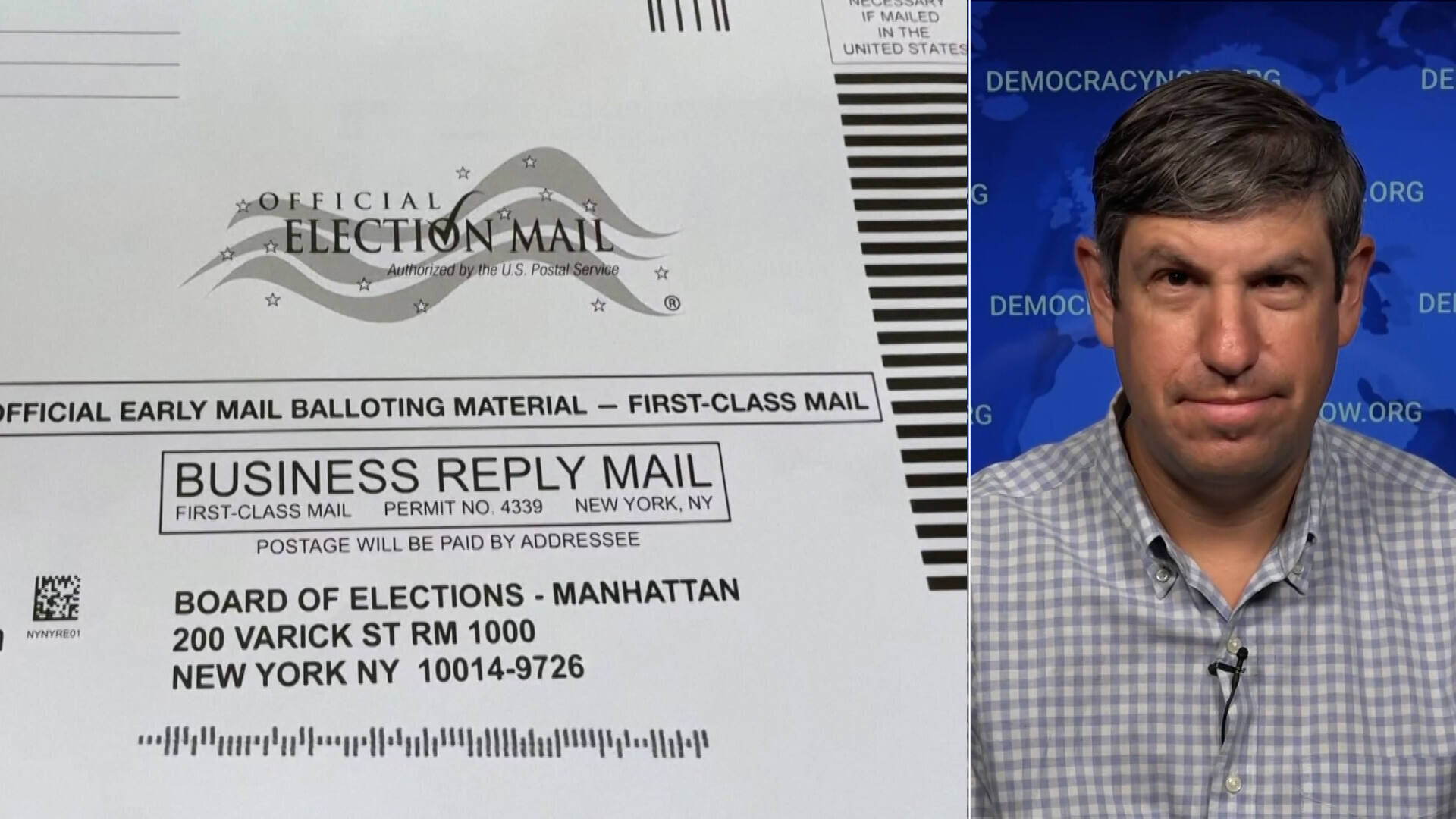
Supreme Court Allows Trump’s Mail-In Voting Restrictions to Proceed: What It Means for Midterms
The Supreme Court’s 6-3 decision lifts an injunction on Trump’s executive order restricting mail-in voting, raising concerns over potential voter disenfranchisement ahead of the midterm elections.
 Politics
Robert Reich Warns Most Americans Are Getting Poorer Despite Stock Market Highs
Economist Robert Reich criticizes Treasury Secretary Scott Bessent's dismissal of the K-shaped economy, arguing wage stagnation and inflation are worsening inequality.
Most Read
Ian Frazier and Samy Burch Discuss 'Coyote vs. Acme' in The New Yorker

Latin America Energy Storage Forecast Jumps to 34 GW by 2035: Wood Mackenzie

Tarkowski strikes late to rescue point for Everton at Bournemouth
