Playing Snake with a Pneumatic Display
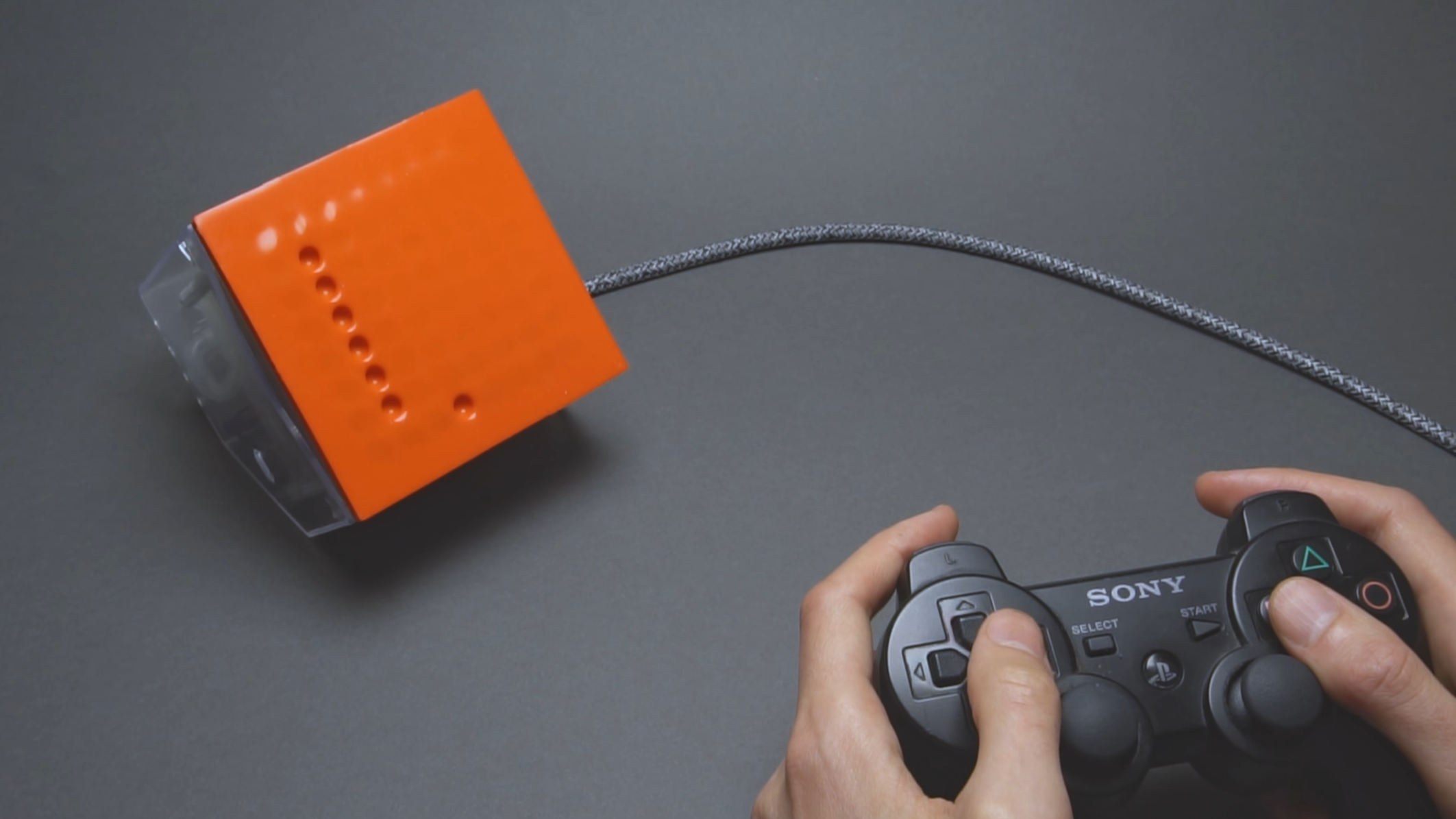
A researcher known online as soiboi soft has developed a unique vacuum-driven dot matrix display that functions as both a suction gripper and a touchscreen. The display uses a flexible silicone sheet with cavities behind each pixel. When a vacuum pump activates a pixel via microfluidic logic circuitry, the sheet is pulled inward, creating a visible indentation. This innovative system, controlled by pneumatic "transistors," can hold its state even when pressed manually, making it potentially functional as a touchscreen with additional circuitry.
The display’s control system relies on pneumatic transistors that open or close air channels when vacuum is applied to a control channel. In its initial test, soiboi soft built a 16-pixel dot matrix display using eight control channels—four rows and four columns—multiplexed to control each pixel individually. The pneumatic transistors act like one-way valves, ensuring pixels retain their state. With added circuitry to detect touch, the system could be transformed into a fully interactive touchscreen.
Upgrading the hardware, soiboi soft improved the solenoid valve mounting system by attaching them directly to the back of the display board. The vacuum pump now connects via a Luer lock adapter for a cleaner and more reliable setup. However, scaling up to a 64-pixel display presented challenges due to warping in 3D-printed components, which compromised the necessary seals to maintain pixel activation. To resolve this, soiboi soft used a vacuum bag to flatten the printed parts on a glass build plate and annealed them at 60 degrees Celsius for several hours. Adding slightly raised rings around the sealing areas further improved the outcome. After addressing these issues, the display achieved better clarity and responsiveness, successfully rendering letters, numbers, and simple animations. Even basic games like Pong and Snake could be played, albeit with modest refresh rates.
While this project showcases a creative approach to pneumatic displays and microfluidic logic, soiboi soft acknowledges that the process of 3D printing molds and casting silicone components can be labor-intensive. For those interested in alternative methods for creating microfluidic circuits, other projects have explored different techniques to achieve similar outcomes.
#MicrofluidicDisplay #VacuumTechnology #PneumaticLogic #soiboiSoft #DIYTech #TouchscreenTech #PongGame #SnakeGame
Comments (0)
No comments yet — be the first to weigh in.
Related Coverage
 Technology
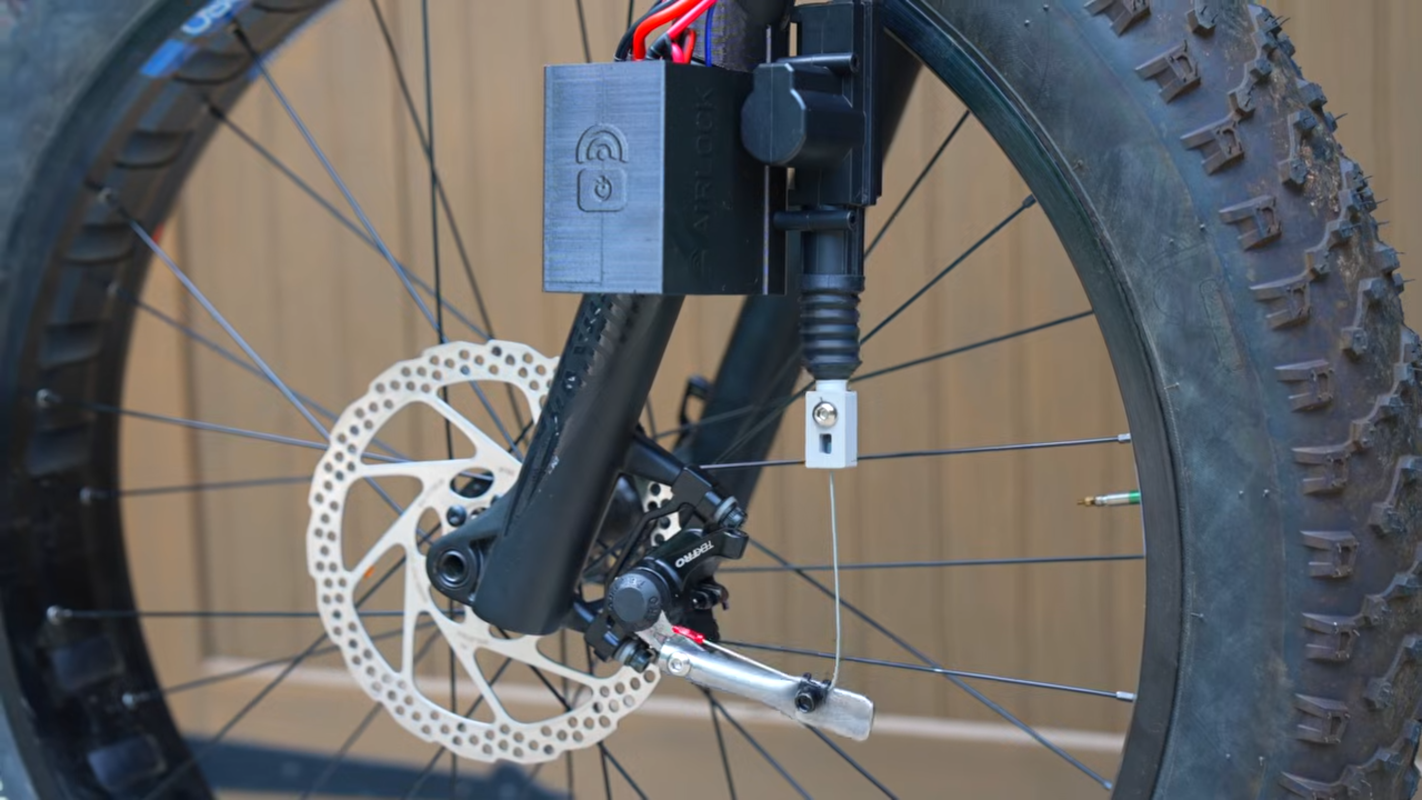
Wireless Fat Tire Brakes: ESP32‑Powered ABS and Remote Control Demo
Tested on a fat‑tire bike, the ESP32‑controlled wireless brakes add ABS, remote‑control, and a braking‑equalizer, showing the future of electronic mountain‑bike braking.
 Technology
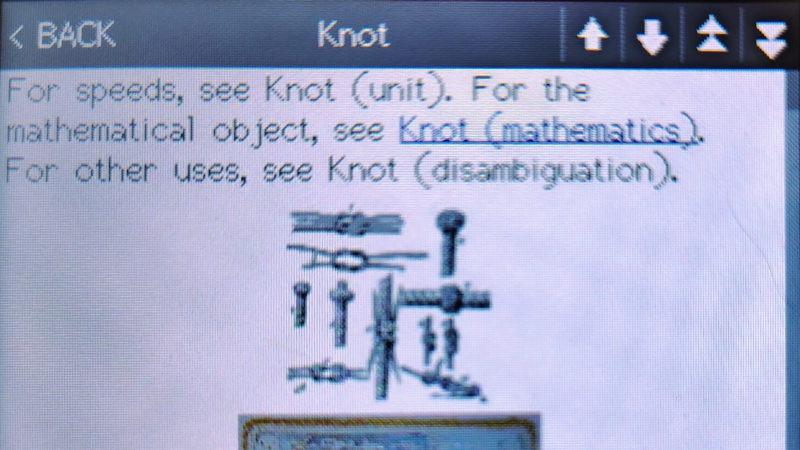
Wikipedia on a Cheap Yellow Display
A hobbyist has adapted the Cheap Yellow Display (CYD), a budget-friendly microcontroller board, to serve as an offline Wikipedia reader by running a customized...
 Technology
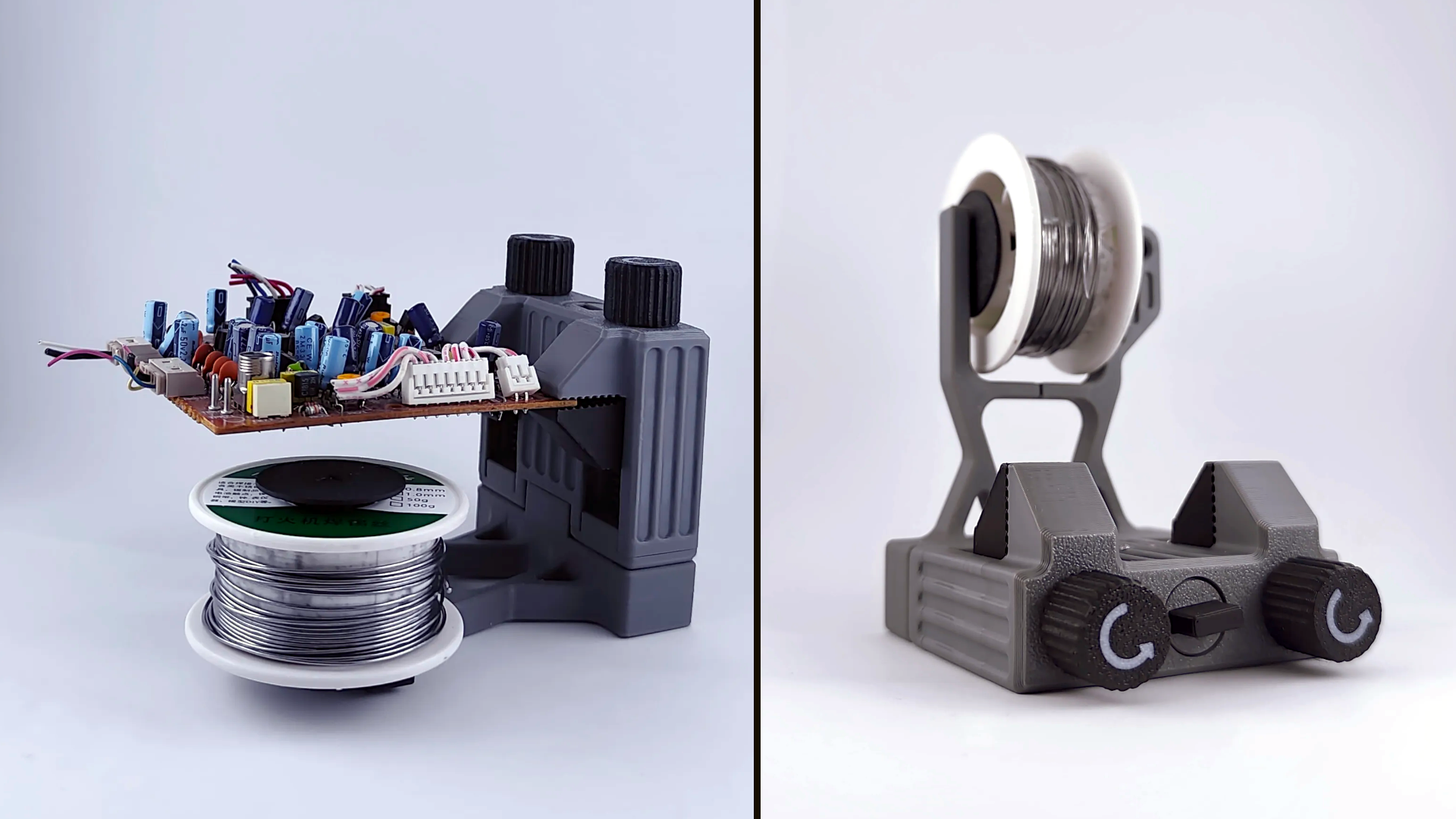
Compact PCB Vise Uses Up That Leftover Filament
A 3D-printed PCB vise created by a maker known online as Chefkoch offers enthusiasts a practical way to repurpose leftover filament spools while gaining a usefu...
 Technology
Apple Health App Revamp with AI Coach Set for September 2024 Release
Apple’s upcoming Health app overhaul, dubbed Project Mulberry, will add an AI health coach, blood‑sugar tracking and camera‑based workout guidance—likely launching in September 2024.
Most Read
Ian Frazier and Samy Burch Discuss 'Coyote vs. Acme' in The New Yorker

Latin America Energy Storage Forecast Jumps to 34 GW by 2035: Wood Mackenzie


Tarkowski strikes late to rescue point for Everton at Bournemouth
