Pine64 Halts Linux Board Production Amid RAM and Storage Price Surge
Pine64 pauses Linux device production due to soaring RAM and eMMC costs driven by AI demand. Industry analysts warn of broader market impact.
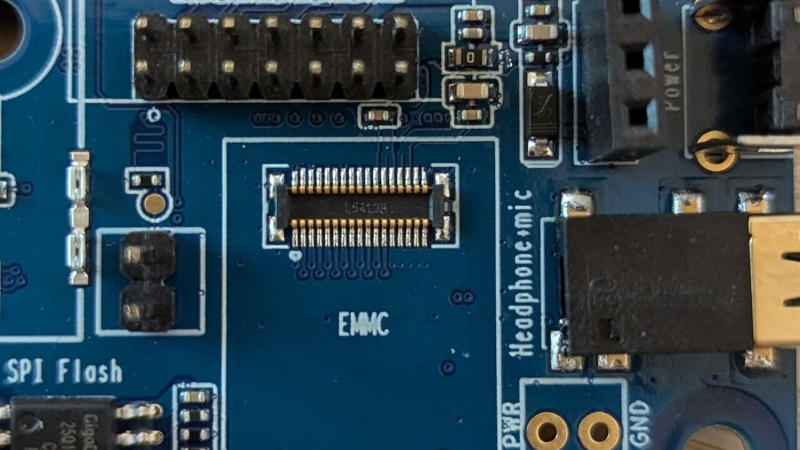
Pine64 Halts Production of Linux Boards Amid Soaring RAM and Storage Costs
Global supply chain disruptions and surging demand from artificial intelligence and other high-performance computing sectors have driven up the cost of RAM and embedded MultiMediaCard (eMMC) storage significantly. In response, Pine64, a prominent manufacturer of single-board computers and open-source hardware, has temporarily suspended production of its Linux-based devices, according to a report from *CNX Software*.
The company’s decision reflects broader market pressures, as rising component costs have made production less economically viable. While consumers have previously absorbed price increases for essential hardware, Pine64’s move indicates that the current cost structure may no longer support continued manufacturing. Industry observers suggest that reduced sales volumes, exacerbated by elevated prices, may have contributed to the company’s decision.
This development follows recent concerns over the affordability of popular single-board computers, including high-end Raspberry Pi models. The broader implications for the maker and developer community remain uncertain, particularly if other manufacturers adopt similar measures in response to ongoing supply constraints.
One potential alternative gaining traction is the increased use of microcontrollers (MCUs) for applications traditionally served by Linux-based single-board computers. Modern high-performance MCUs now offer sufficient processing power for many embedded applications, with the added benefit of integrated memory and storage—components unaffected by the current price volatility in RAM and eMMC markets. This shift could mitigate some of the challenges posed by rising hardware costs.
Pine64 has not announced a timeline for resuming Linux device production. However, the company continues to sell other product lines, which may help offset the temporary halt in Linux board manufacturing. The broader electronics and open-source hardware sectors will be closely monitoring how supply chain dynamics and pricing trends evolve in the coming months.
As of publication, Pine64 has not responded to requests for comment regarding potential price adjustments or production timelines. Industry analysts emphasize that the situation underscores the need for diversified supply chains and alternative hardware solutions in an increasingly constrained market.
Comments (0)
No comments yet — be the first to weigh in.
Related Coverage
 Technology
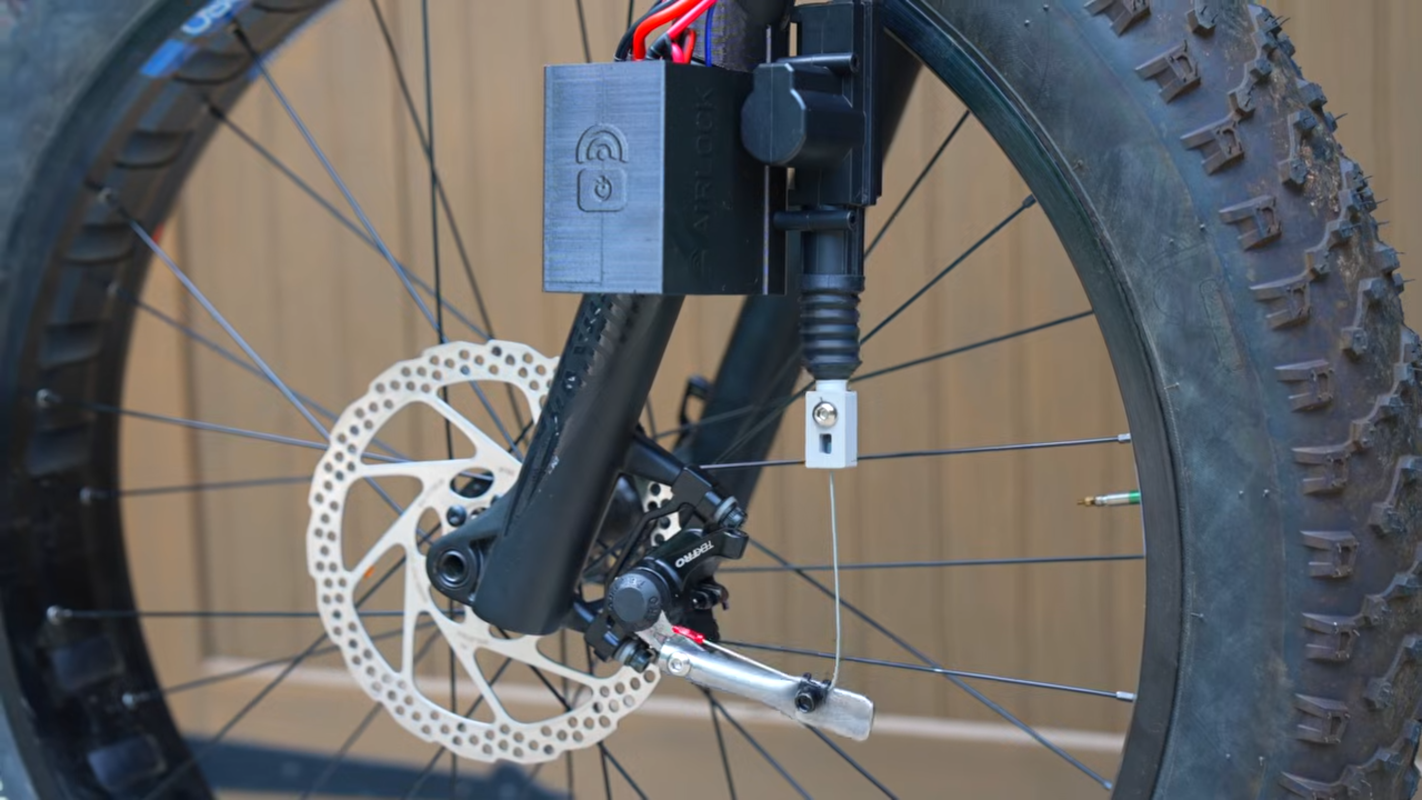
Wireless Fat Tire Brakes: ESP32‑Powered ABS and Remote Control Demo
Tested on a fat‑tire bike, the ESP32‑controlled wireless brakes add ABS, remote‑control, and a braking‑equalizer, showing the future of electronic mountain‑bike braking.
 Technology
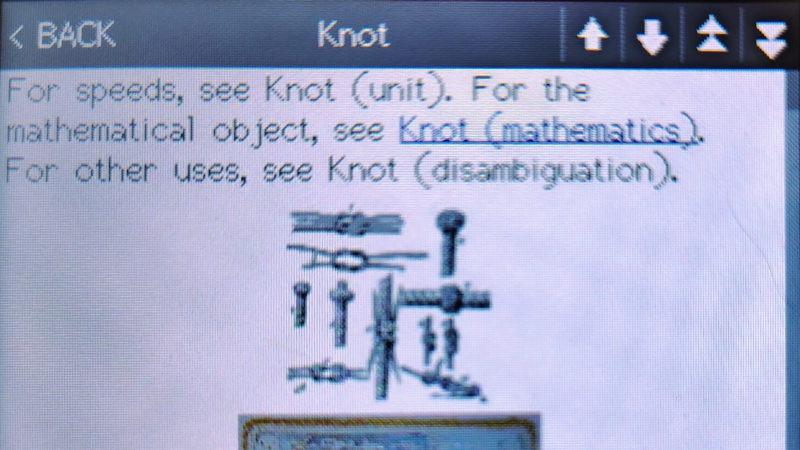
Wikipedia on a Cheap Yellow Display
A hobbyist has adapted the Cheap Yellow Display (CYD), a budget-friendly microcontroller board, to serve as an offline Wikipedia reader by running a customized...
 Technology
Compact PCB Vise Uses Up That Leftover Filament
A 3D-printed PCB vise created by a maker known online as Chefkoch offers enthusiasts a practical way to repurpose leftover filament spools while gaining a usefu...
 Technology
Apple Health App Revamp with AI Coach Set for September 2024 Release
Apple’s upcoming Health app overhaul, dubbed Project Mulberry, will add an AI health coach, blood‑sugar tracking and camera‑based workout guidance—likely launching in September 2024.
Most Read
Ian Frazier and Samy Burch Discuss 'Coyote vs. Acme' in The New Yorker

Latin America Energy Storage Forecast Jumps to 34 GW by 2035: Wood Mackenzie


Tarkowski strikes late to rescue point for Everton at Bournemouth
