Operation Babylift Tragedy: A Family's Vietnam War Experience
A first‑hand account of a college sophomore’s parents in Saigon during the 1975 U.S. evacuation, detailing CIA propaganda, orphan rescues, and the fatal Operation Babylift crash.
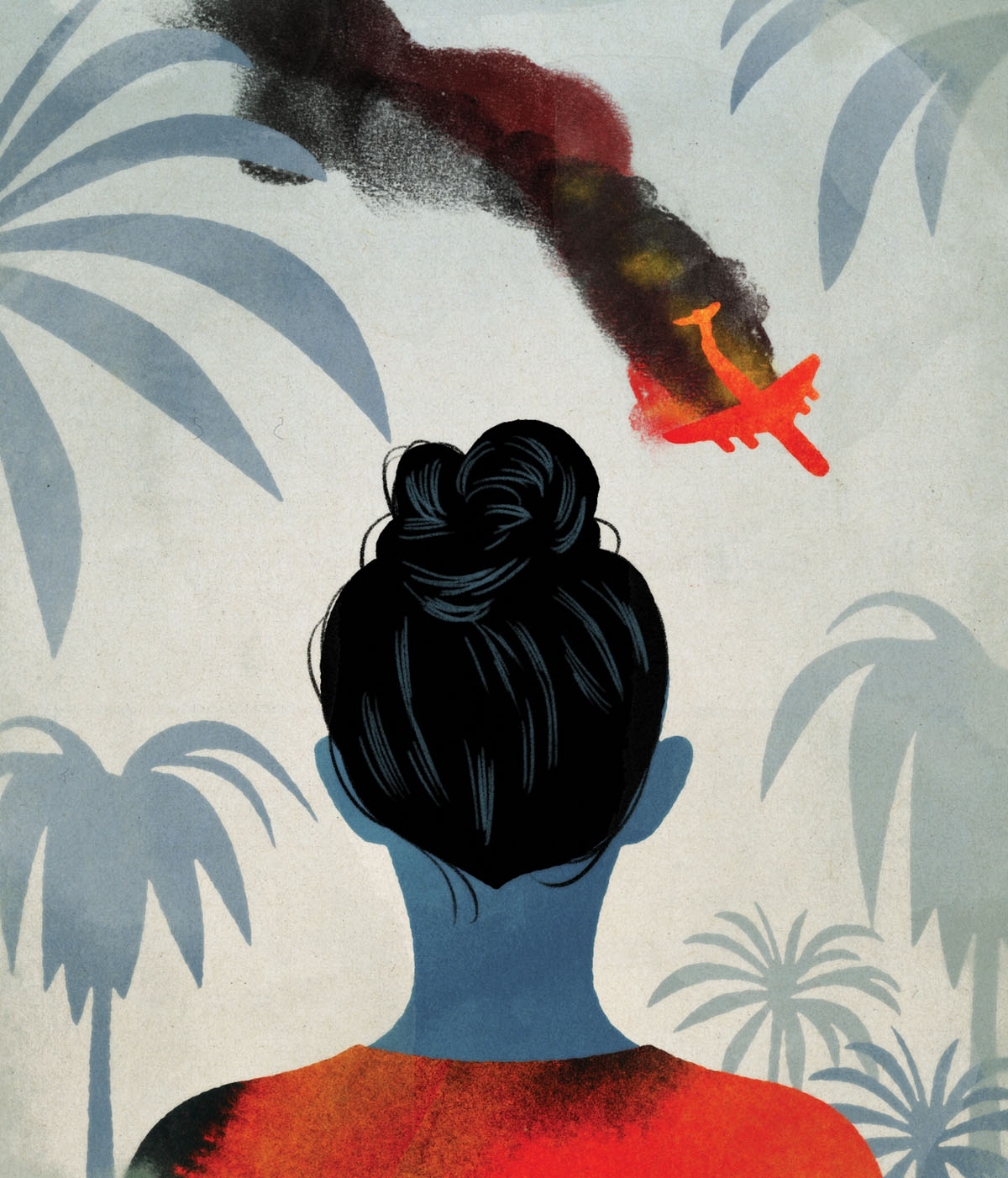
In April 1973, a college sophomore's parents relocated to Vietnam as part of the U.S. mission during the Vietnam War. The father, a CIA operative, was tasked with establishing a clandestine radio station aimed at spreading propaganda to demoralize North Vietnamese forces and promote democracy. Meanwhile, the mother, working as a physical therapist at the U.S. embassy, provided medical care to victims of the conflict and coordinated social services for embassy families.
Life in Saigon was marked by stark contrasts. The city was alive with the smells of fish sauce, coconut, and baguettes, yet overshadowed by the constant threat of explosions and gunfire. The streets bustled with motorbikes and military vehicles, while locals, dressed in traditional silk garments, navigated a landscape of sandbagged checkpoints and armed soldiers. Amid this turmoil, both parents worked to alleviate suffering. The father oversaw operations at "House Seven," a black ops radio station, while the mother treated wounded civilians and taught embroidery to displaced women, offering them skills to earn a living.
During a visit to Saigon over Christmas, the author observed their parents' efforts firsthand. At House Seven, the father worked closely with Vietnamese staff, fostering a sense of mutual respect. The mother took the author to meet women learning embroidery, showcasing their handiwork, including dresses adorned with floral designs. Their home was also a refuge for orphans, children fathered by American servicemen and abandoned, awaiting adoption by families in the U.S.
By early 1975, the situation in South Vietnam had deteriorated. Despite assurances from U.S. Ambassador Graham A. Martin, embassy staff knew defeat was imminent. Plans were made to evacuate Americans, but concerns grew for their Vietnamese colleagues, who risked severe repercussions. The father and his team secretly relocated 1,300 House Seven staff and their families to Phú Quốc Island, intending to continue radio broadcasts and facilitate a discreet evacuation.
The mother remained in Saigon, rushing to evacuate orphans before the city fell. She worked alongside embassy wives, NGOs, and orphanage directors to organize Operation Babylift, a series of chartered flights to transport children to adoptive families in the U.S.
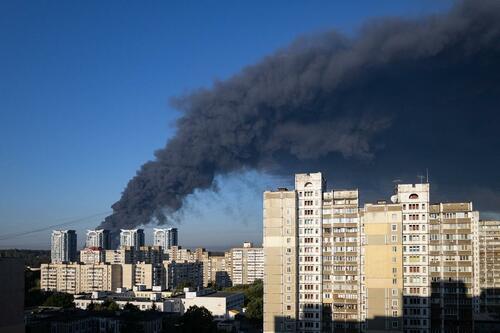
On April 4, 1975, the author's mother boarded a C-5A Galaxy cargo plane at Tan Son Nhut Air Base to assist with the evacuation of 238 orphans. After ensuring the children were secured, she disembarked, joining other volunteers in relief. Twelve minutes later, the plane crashed in a nearby rice paddy, killing 138 people, including 78 children.
The author received a crackling phone call from their mother, who was evacuated to Taipei. Amid her distress, she reassured the author about the father’s safety on Phú Quốc Island but mentioned the harrowing experience of loading orphans onto the doomed flight. The crash left an indelible mark on the mother’s psyche, a trauma that would linger in the years to come. As the U.S. withdrew from Vietnam, the family’s mission—born of idealism and good intentions—collapsed under the weight of war’s harsh realities.
Comments (0)
No comments yet — be the first to weigh in.
Related Coverage
 Entertainment
Yayoi Kusama’s Death Signals a Kind Fall for Art and Humanity
Hyperallergic reflects on the passing of Yayoi Kusama, Dolly Parton, and Sliman Mansour, while exploring loneliness, AI, and art's role in a changing world.
 Entertainment
Tessa Hulls on Her Graphic Memoir 'Feeding Ghosts' on Longform Podcast #571
Writer and artist Tessa Hulls discusses her graphic memoir Feeding Ghosts and the project she spent her life avoiding, on Longform Podcast #571.
 Entertainment
Derek Thompson on Longform Podcast: Solving Life's Mysteries Through Writing
Derek Thompson, Atlantic staff writer and Plain English host, discusses his career as a 'dilettante' and love for uncovering mysteries in his Longform Podcast interview.
 Entertainment
Rozina Ali on Longform Podcast #573 Discussing Her Career and Reporting
Rozina Ali, a New York Times Magazine writer and National Magazine Award winner, joins the Longform Podcast to discuss her career and latest reporting.
Most Read
Canada's Solar Energy Growth: Provinces Chart Diverse Paths to 2035 Goals
Autumn Hill Sentenced to 50 Years in Prison for Anti-ICE Protest: A Case of Political Persecution?

Hull City Secure 1-0 Away Win at Coventry, Maintain Perfect Premier League Start

DSM-6 to Integrate Biology in Mental Health Diagnosis for First Time