Nottinghamshire Police Faces Backlash Over Live Facial Recognition Plans
Civil rights groups urge Nottinghamshire Police to halt live facial recognition deployment, citing privacy, targeting, and public trust concerns.

The Electronic Frontier Foundation (EFF) and seven civil society organizations have urged Nottinghamshire Police in the UK to immediately halt plans to deploy live facial recognition technology (LFR) in public spaces.
In a joint letter, EFF, Big Brother Watch, Defend Digital Me, Liberty, Open Rights Group, Race Equality First, Statewatch, and Stopwatch raised six key concerns regarding the proposed use of LFR, emphasizing that it represents a significant escalation in surveillance rather than merely "another tool" for law enforcement.
The coalition argues that LFR is a form of biometric mass surveillance that captures and processes the facial data of every individual passing by a camera, effectively treating the public as suspects by default. They dispute Nottinghamshire Police's reassurance that those with nothing to hide have nothing to fear, stating that such technology could deter individuals from accessing essential services or exercising fundamental rights, such as seeking medical care, legal advice, or participating in protests, due to concerns about privacy and surveillance.
A major concern highlighted in the letter is the potential for disproportionate targeting, particularly in cases involving low-level offenses under Operation View. The coalition notes reports suggesting that Nottinghamshire Police may use LFR to address antisocial behavior, including targeting children as young as 11 who are believed to be causing problems. The groups argue that this approach is excessive and that alternative, less intrusive methods should be employed to locate these individuals.
Additionally, the coalition warns that LFR could exacerbate social problems, particularly among children, by negatively impacting their behavior, increasing the risk of reoffending, and eroding trust in law enforcement. They express concern that the use of this technology could create an adversarial relationship between young people and the police from an early age.
The letter also cites public opinion data to underscore the lack of support for LFR. A poll commissioned by Liberty found that 48 percent of people oppose the scanning of faces in public areas when there is no imminent threat. Similarly, a survey by Opinium revealed that the majority of people oppose facial recognition use in schools. The London Policing Ethics Panel further reported that young Londoners aged 16 to 24 were most likely to find the Metropolitan Police Service’s use of LFR unacceptable and were more likely to avoid events where the technology was in use.
Based on these concerns, the coalition has called on Nottinghamshire Police to immediately cease its plans to implement LFR surveillance. The groups urge the police force to reconsider the use of such technology in favor of methods that prioritize privacy, proportionality, and public trust.
For further details, the full letter sent to Nottinghamshire Police can be accessed online.
Comments (0)
No comments yet — be the first to weigh in.
Related Coverage
 Technology
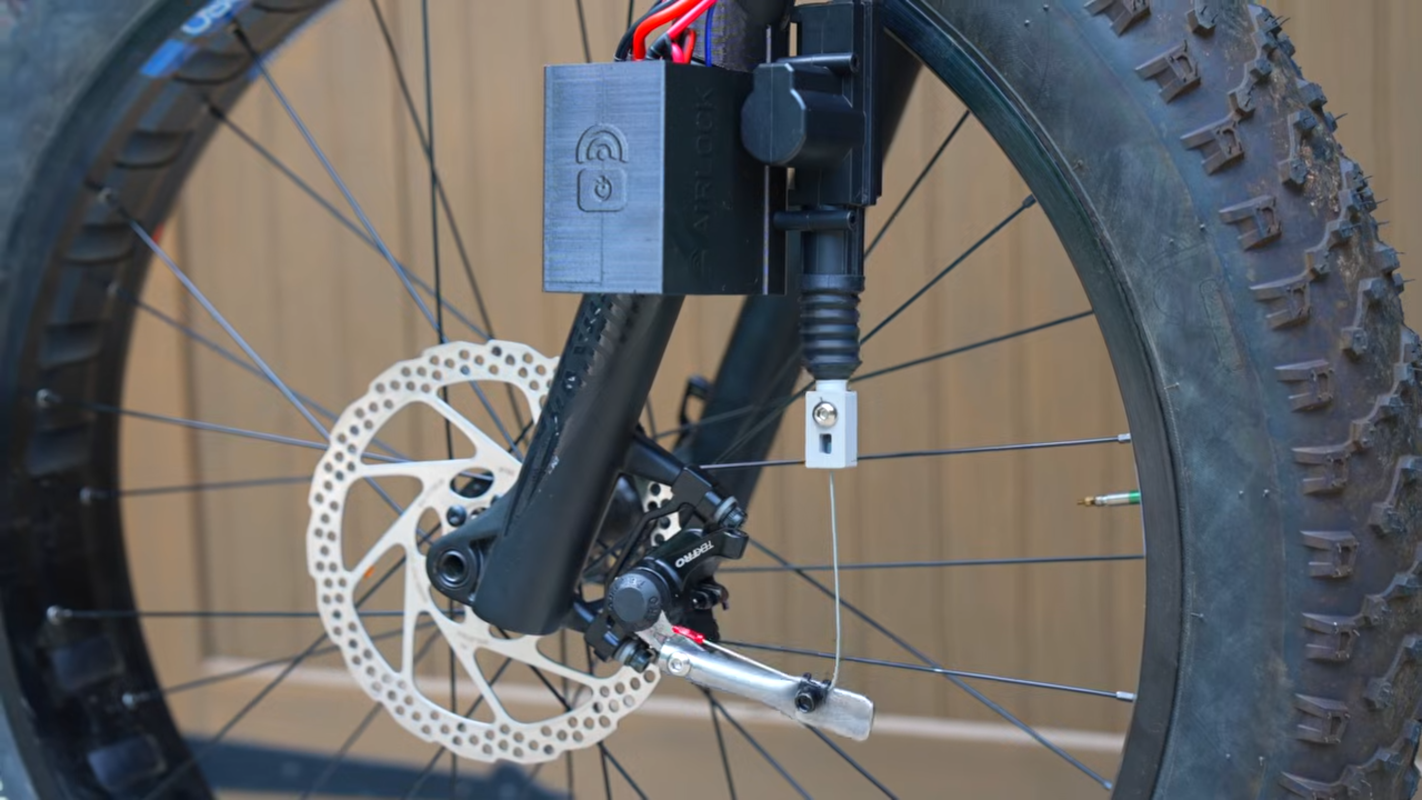
Wireless Fat Tire Brakes: ESP32‑Powered ABS and Remote Control Demo
Tested on a fat‑tire bike, the ESP32‑controlled wireless brakes add ABS, remote‑control, and a braking‑equalizer, showing the future of electronic mountain‑bike braking.
 Technology
Wikipedia on a Cheap Yellow Display
A hobbyist has adapted the Cheap Yellow Display (CYD), a budget-friendly microcontroller board, to serve as an offline Wikipedia reader by running a customized...
 Technology
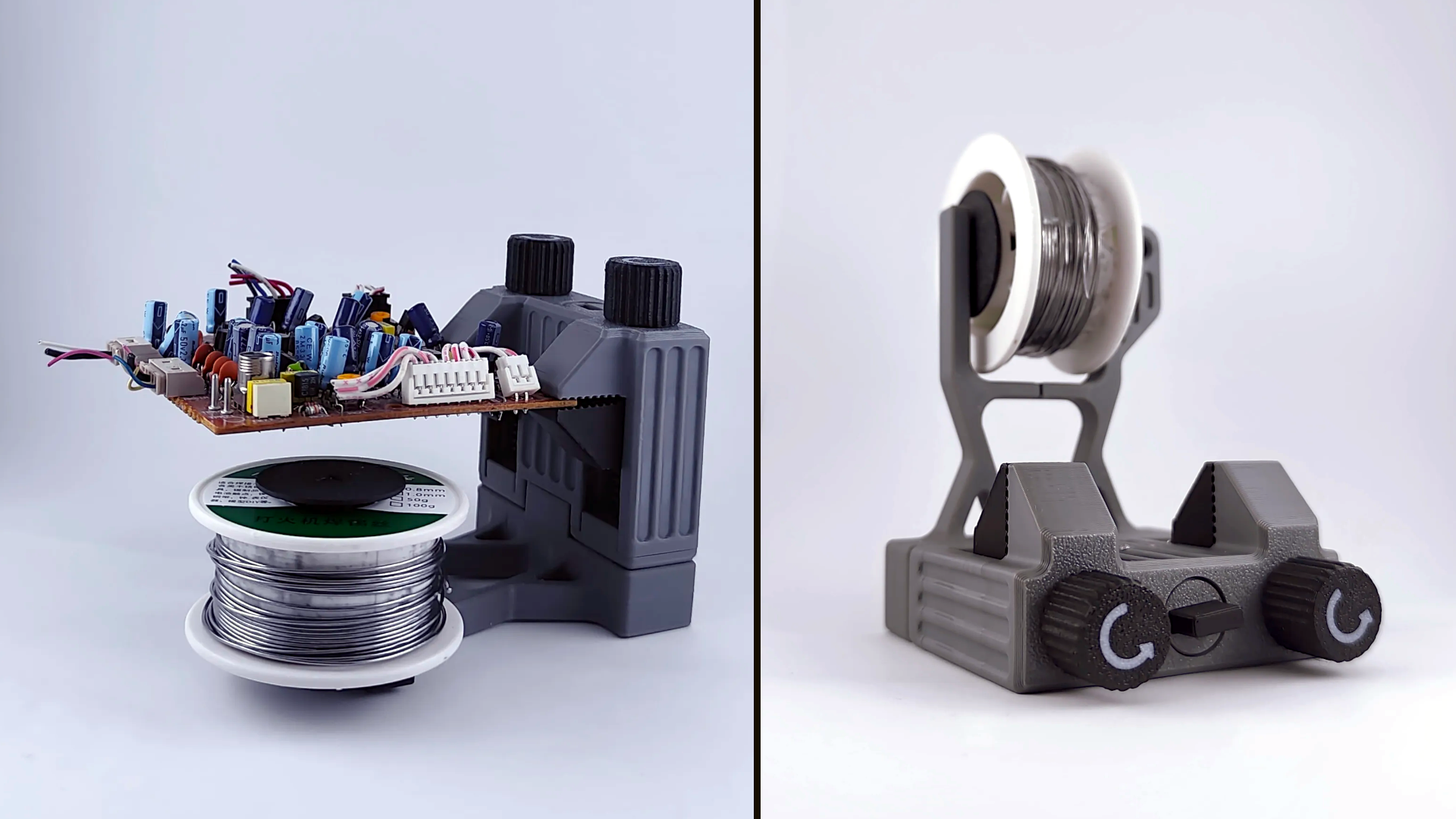
Compact PCB Vise Uses Up That Leftover Filament
A 3D-printed PCB vise created by a maker known online as Chefkoch offers enthusiasts a practical way to repurpose leftover filament spools while gaining a usefu...
 Technology
Apple Health App Revamp with AI Coach Set for September 2024 Release
Apple’s upcoming Health app overhaul, dubbed Project Mulberry, will add an AI health coach, blood‑sugar tracking and camera‑based workout guidance—likely launching in September 2024.
Most Read

Three-storey building collapses at Swaminarayan temple in Prayagraj, no casualties
Kai Bird Explores Roy Cohn's Influence on Donald Trump's America

Canada's Solar Energy Growth: Provinces Chart Diverse Paths to 2035 Goals

Autumn Hill Sentenced to 50 Years in Prison for Anti-ICE Protest: A Case of Political Persecution?
