Ninth Circuit Rules Building a Web Browser Does Not Violate CFAA
The Ninth Circuit Court of Appeals has ruled that creating a web browser like Perplexity AI's Comet does not violate the Computer Fraud and Abuse Act (CFAA), affirming that users operate the tool, not the developers.
A federal appeals court has ruled that developing a web browser does not violate the Computer Fraud and Abuse Act (CFAA), delivering a significant victory for technology innovation and user rights. The Ninth Circuit Court of Appeals concluded that Perplexity AI’s Comet browser, which includes an optional AI assistant capable of browsing websites like Amazon, does not constitute unauthorized access under the CFAA. The decision reinforces that users—not the developers—are responsible for how tools are operated.
The case originated when Amazon filed a lawsuit against Perplexity AI, arguing that its AI assistant violated the CFAA by accessing Amazon’s servers without authorization. Specifically, Amazon claimed that Perplexity’s tool could browse product pages for comparison shopping, which the retail giant argued constituted unauthorized access. However, the Ninth Circuit rejected this interpretation, stating that users—not Perplexity—operate the browser and its AI features.
In its ruling, the court emphasized that the CFAA requires proof of unauthorized "access," which Perplexity did not perform. Instead, users initiated the browsing activity, making them the responsible parties rather than the company that created the tool. The court also noted that while AI tools may present new legal challenges, this case did not hinge on questions of AI intent or control. The Assistant feature, it ruled, is a tool operated by users, not an independent actor capable of violating the law.
The decision acknowledged that Amazon might pursue other legal claims against Perplexity but made clear that the CFAA was not a viable basis for liability. The court warned that misapplying the CFAA in this context could expose ordinary users to criminal liability, a concern that aligns with longstanding criticisms of the law’s broad and often ambiguous scope.
The Electronic Frontier Foundation (EFF), which filed an amicus brief supporting Perplexity, praised the ruling as a common-sense interpretation of the CFAA. The organization has long argued that the law has been weaponized by powerful companies to suppress competition and innovation. By dismissing Amazon’s CFAA claim, the court reinforced the principle that developers should not be held liable for how users employ their tools.
This decision is particularly significant given the growing use of AI-powered browsing assistants. While the court acknowledged the lack of precedent in this specific area, it firmly placed responsibility on the users rather than the toolmakers. Legal experts suggest this ruling could influence future cases involving AI agents and automated web access, setting a precedent that protects developers from overreach under the CFAA.
For now, the Ninth Circuit’s decision serves as a clear rebuke to attempts to misuse the CFAA against innovative technologies. It also underscores the need for careful legal boundaries to prevent the law from stifling progress in the digital age.
Comments (0)
No comments yet — be the first to weigh in.
Related Coverage
 Technology
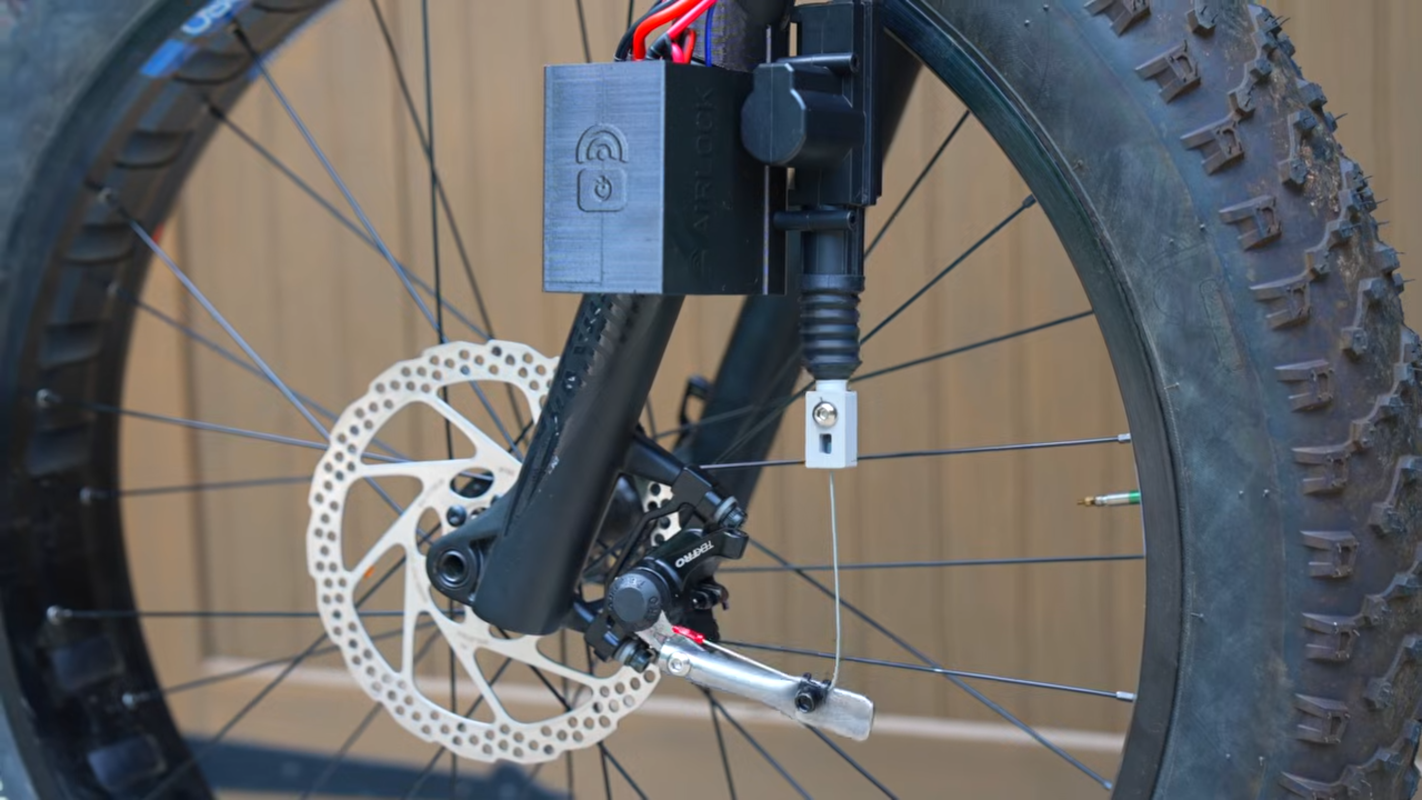
Wireless Fat Tire Brakes: ESP32‑Powered ABS and Remote Control Demo
Tested on a fat‑tire bike, the ESP32‑controlled wireless brakes add ABS, remote‑control, and a braking‑equalizer, showing the future of electronic mountain‑bike braking.
 Technology
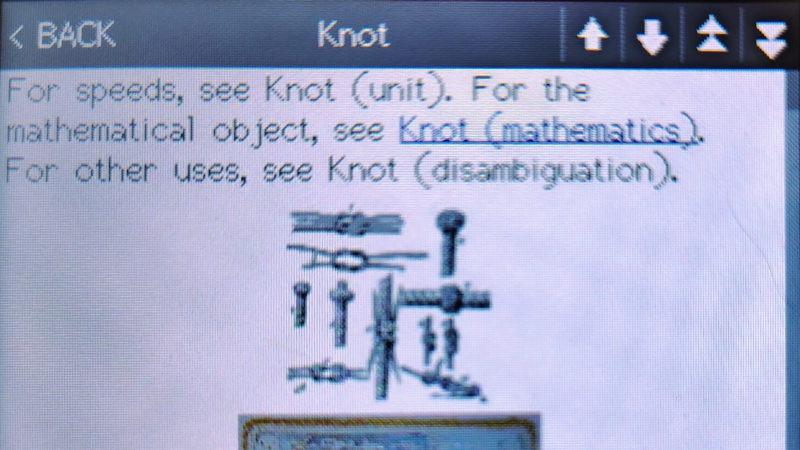
Wikipedia on a Cheap Yellow Display
A hobbyist has adapted the Cheap Yellow Display (CYD), a budget-friendly microcontroller board, to serve as an offline Wikipedia reader by running a customized...
 Technology
Compact PCB Vise Uses Up That Leftover Filament
A 3D-printed PCB vise created by a maker known online as Chefkoch offers enthusiasts a practical way to repurpose leftover filament spools while gaining a usefu...
 Technology
Apple Health App Revamp with AI Coach Set for September 2024 Release
Apple’s upcoming Health app overhaul, dubbed Project Mulberry, will add an AI health coach, blood‑sugar tracking and camera‑based workout guidance—likely launching in September 2024.
Most Read
Ian Frazier and Samy Burch Discuss 'Coyote vs. Acme' in The New Yorker

Latin America Energy Storage Forecast Jumps to 34 GW by 2035: Wood Mackenzie


Tarkowski strikes late to rescue point for Everton at Bournemouth
