New York Subway Heat Crisis: Extreme Temperatures Threaten Commuters and Workers
Extreme heat in New York City's subway system poses health risks for commuters and workers. Explore the challenges and potential solutions to cool underground stations amid climate change.

New York City's subway system is facing increasingly extreme temperatures, a growing problem exacerbated by climate change and the city's aging infrastructure. Jack Klein, a 31-year-old construction site manager, has taken it upon himself to document the sweltering conditions in some of the system's hottest stations. Using teardrop-shaped thermometers, Klein has measured temperatures as high as 101 degrees Fahrenheit on platforms, with heat indices reaching 132 degrees—levels at which heatstroke can set in.
Klein's data collection, shared on social media, highlights the harsh reality for commuters and transit workers who endure these conditions daily. At the 14th Street-Union Square station, one of Manhattan's hottest, Klein recorded a temperature of 99 degrees, 10 degrees warmer than the air above ground. The heat index, combined with New York's oppressive humidity, made conditions unbearable for passengers, including an Italian tourist who described the platform as resembling an oven.
The Metropolitan Transportation Authority (MTA), which operates the subway, acknowledges the severity of the issue. Janno Lieber, the MTA's chief executive, described the underground environment as brutal during summer months, noting that rising global temperatures are worsening the problem. "Bringing down the temperature is a complex problem in a system where the stations are 100 years old," Lieber said.
Research supports these concerns. Giorgia Chinazzo, an environmental engineer at Northwestern University, has studied heat stress in subway systems and found that underground stations can be significantly hotter than aboveground areas due to factors like train braking, heat absorption by concrete and steel, and body heat from crowds. "This summer is a clear sign that we are facing a climate crisis and our built environment isn’t designed for it," Chinazzo said.
To address the issue, New York is exploring innovative solutions, including a thermal energy network that would transfer heat from subway stations to nearby buildings. The pilot program, focused on the Brooklyn Bridge-City Hall and Chambers Street stations, aims to lower platform temperatures by a few degrees while providing heat to municipal buildings in winter. "What we could see is a first-of-its-kind approach that could lead the nation," said New York City Mayor Zohran Mamdani.
The plan involves circulating chilled liquid through pipes in station walls and floors to absorb heat, which is then stored in boreholes up to 600 feet underground. While not a complete fix, advocates say it could turn sweltering platforms into merely uncomfortable ones. The MTA has already implemented similar geothermal techniques in other parts of the system, proving the concept's feasibility.
Experts emphasize that while challenges remain, solutions exist if political will and funding align. As cities worldwide grapple with rising temperatures, New York's efforts could serve as a model for mitigating heat in aging transit systems.
#NYCSubway #SubwayHeat #ClimateChange #MTA #PublicTransit #UrbanHeat #SubwaySafety #NewYorkCity
Comments (0)
No comments yet — be the first to weigh in.

Jesús Armas' Torture Ordeal in El Helicoide Prison Under Maduro's Regime
Venezuelan dissident Jesús Armas recounts four days of torture and imprisonment after exposing Maduro's fraudulent 2024 election victory.
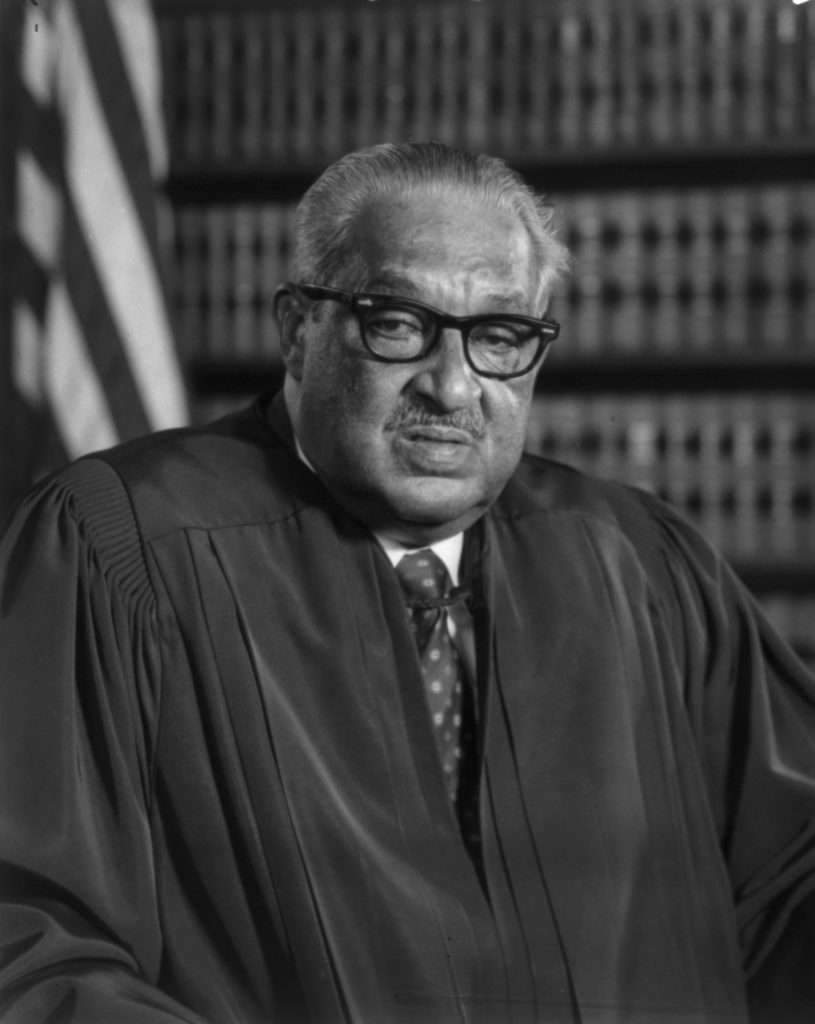
Justice Thurgood Marshall Sworn In: A Historic Moment in Supreme Court History
On August 30, 1967, Thurgood Marshall became the first African American justice on the U.S. Supreme Court, marking a pivotal milestone in judicial history.

Labour MPs' Misguided Focus on Mythical Misogyny Over Real Violence Against Women
Critics argue UK Labour's £20m anti-misogyny school program targets overhyped online trends like 'toxic masculinity' over real-world sexual violence, warning of unintended consequences for young boys.

Andy Burnham’s Dress Dilemma: Why the PM’s Casual Look Misses the Mark
Critics argue Prime Minister Andy Burnham’s move to ditch suits for casual wear undermines the dignity of office, showing a lack of respect for national leaders.

M50 flyover barriers not designed to stop head-on collisions, authorities say
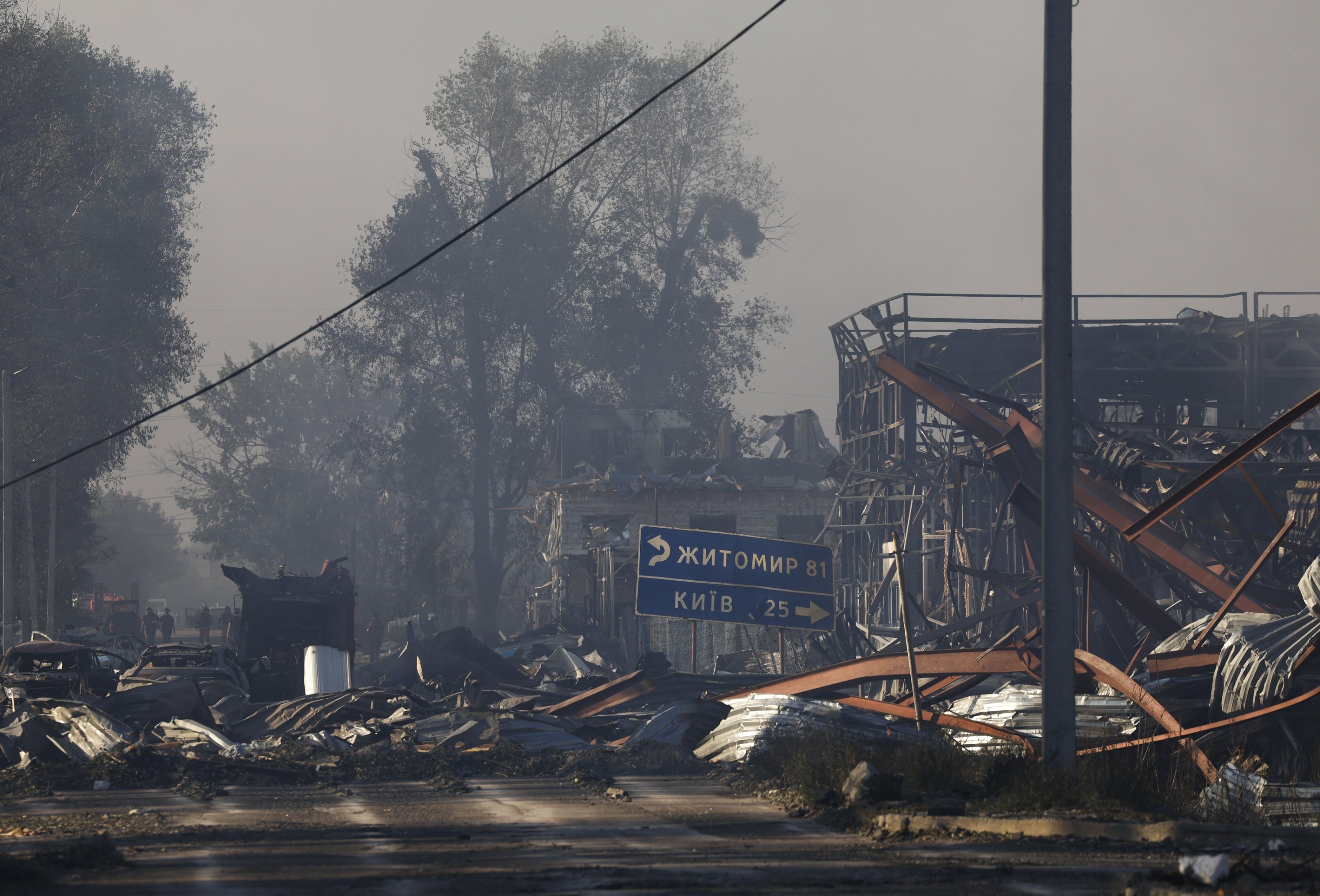
Kyiv seeks answers over 38 deaths in Russian strike on arms depot

India’s growth to stay at 7% despite global uncertainties: Nirmala Sitharaman

UK asks banks for feelgood stories about keeping out dirty money