Jesús Armas' Torture Ordeal in El Helicoide Prison Under Maduro's Regime
Venezuelan dissident Jesús Armas recounts four days of torture and imprisonment after exposing Maduro's fraudulent 2024 election victory.

Venezuela’s intelligence agency continues to operate with impunity despite the 2024 departure of President Nicolás Maduro, according to activists and international observers. Among those still held by the regime is Jesús Armas, a political organizer who helped document evidence challenging Maduro’s disputed re-election. After months underground, Armas was abducted, tortured, and imprisoned in El Helicoide, one of Venezuela’s most notorious detention centers.
Armas played a key role in a nationwide effort to collect and publish voting tallies from the July 28, 2024 presidential election. The opposition, led by María Corina Machado—winner of the 2023 National Assembly election and now a Nobel Peace Prize laureate—had encouraged volunteers to photograph and upload electoral records. Armas coordinated the effort in Libertador, Caracas’s largest municipality, which accounted for about 10 percent of the national vote.
According to court documents and Armas’s account, the regime declared Maduro the winner with 52 percent of the vote, despite evidence—published by Armas and others—showing opposition candidate Edmundo González Urrutia had won nearly 70 percent. In the crackdown that followed, authorities detained more than 2,000 people nationwide. Armas went into hiding, moving between safe houses in Caracas for five months before resurfacing in December 2024.
On December 21, while working at a café, Armas realized he was being followed. Masked men in unmarked SUVs seized him, blindfolded him, and drove him to Quinta La Arenosa, a clandestine facility in southern Caracas. Over four days, he was interrogated repeatedly, threatened, and subjected to suffocation with a plastic bag. He refused to reveal the whereabouts of Machado or details of the opposition’s plans.
After his refusal, he was transferred to Maripérez police headquarters, then to Zona 7—a detention center in Caracas where he was held with 37 others in overcrowded, unsanitary conditions. Rats infested the cells, and prisoners used bags for sanitation. Armas received no food or water until fellow inmates shared their meals.
He was eventually moved to El Helicoide, a spiral-shaped former shopping mall in south-central Caracas that now functions as a prison and torture site. Originally designed in the 1950s as a symbol of progress, the building was never completed as a mall and later repurposed into a detention center. The United Nations has documented torture there, and human rights groups say El Helicoide remains a central node in the regime’s repression apparatus.
Armas now faces charges including treason, terrorism, and conspiracy with a foreign government—crimes that carry up to 30 years in prison. His case reflects a broader pattern: despite Maduro’s exit, Venezuela’s repressive institutions remain intact, and political persecution continues under the country’s intelligence services.
#VenezuelaPrison #ElHelicoide #NicolasMaduro #JesúsArmas #MariaCorinaMachado #2024Election #PoliticalRepression #HumanRights
Comments (0)
No comments yet — be the first to weigh in.

Why Liberals Must Urgently Address the U.S. National Debt Crisis
Explore why rising U.S. national debt threatens liberal priorities, from Medicare for All to consumer loans, and what progressives must do to avert fiscal disaster.

GTA VI Leaks Spark Consumer Rights Debate in Gaming Industry
CyberLeak hackers demand end to anti-consumer practices in GTA VI amid industry-wide concerns over digital ownership and server shutdowns.
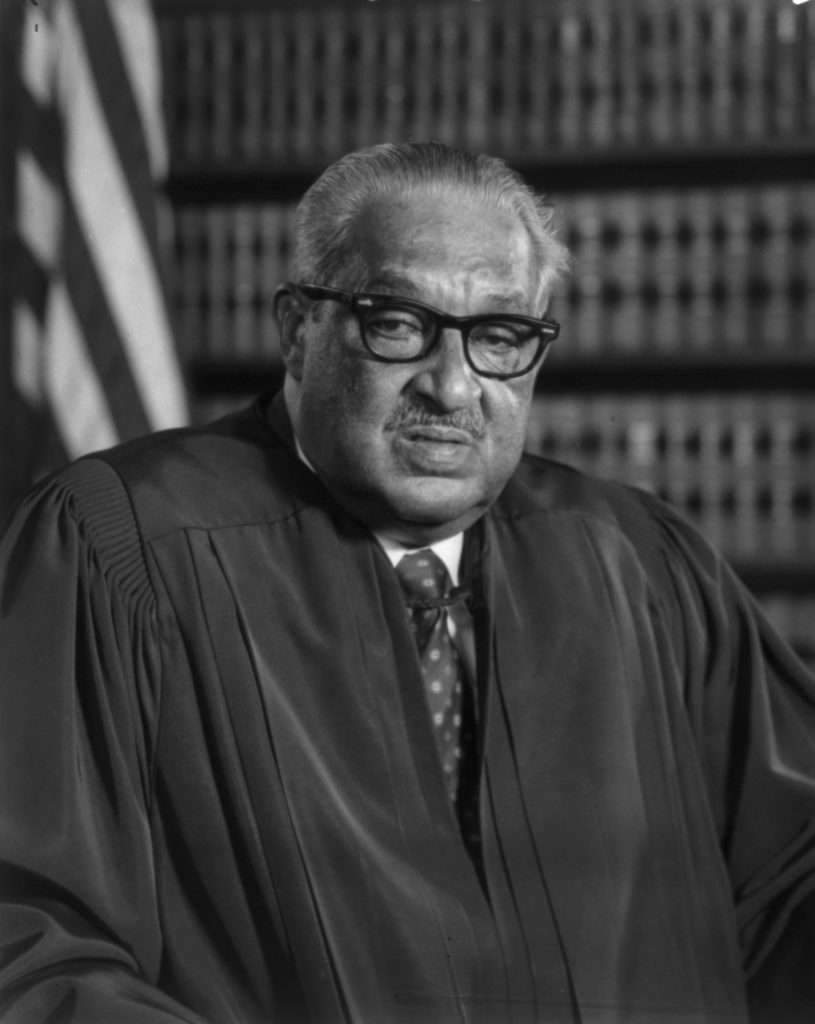
Justice Thurgood Marshall Sworn In: A Historic Moment in Supreme Court History
On August 30, 1967, Thurgood Marshall became the first African American justice on the U.S. Supreme Court, marking a pivotal milestone in judicial history.

New York Subway Heat Crisis: Extreme Temperatures Threaten Commuters and Workers
Extreme heat in New York City's subway system poses health risks for commuters and workers. Explore the challenges and potential solutions to cool underground stations amid climate change.
Why Liberals Must Urgently Address the U.S. National Debt Crisis
Canada's Nuclear Safeguards Disappearance Raises Global Alarm
Susan Te Kahurangi King: New Zealand's Forgotten Art Legend Rediscovered

IGP Olatunji Disu Boosts Mobile Police Readiness to Counter Banditry, Insurgency
