New Tree-Sit Protests Target Trump's Border Wall Construction
Activists launch tree-sit protests to block construction of Trump's border wall, citing environmental and Indigenous rights concerns.
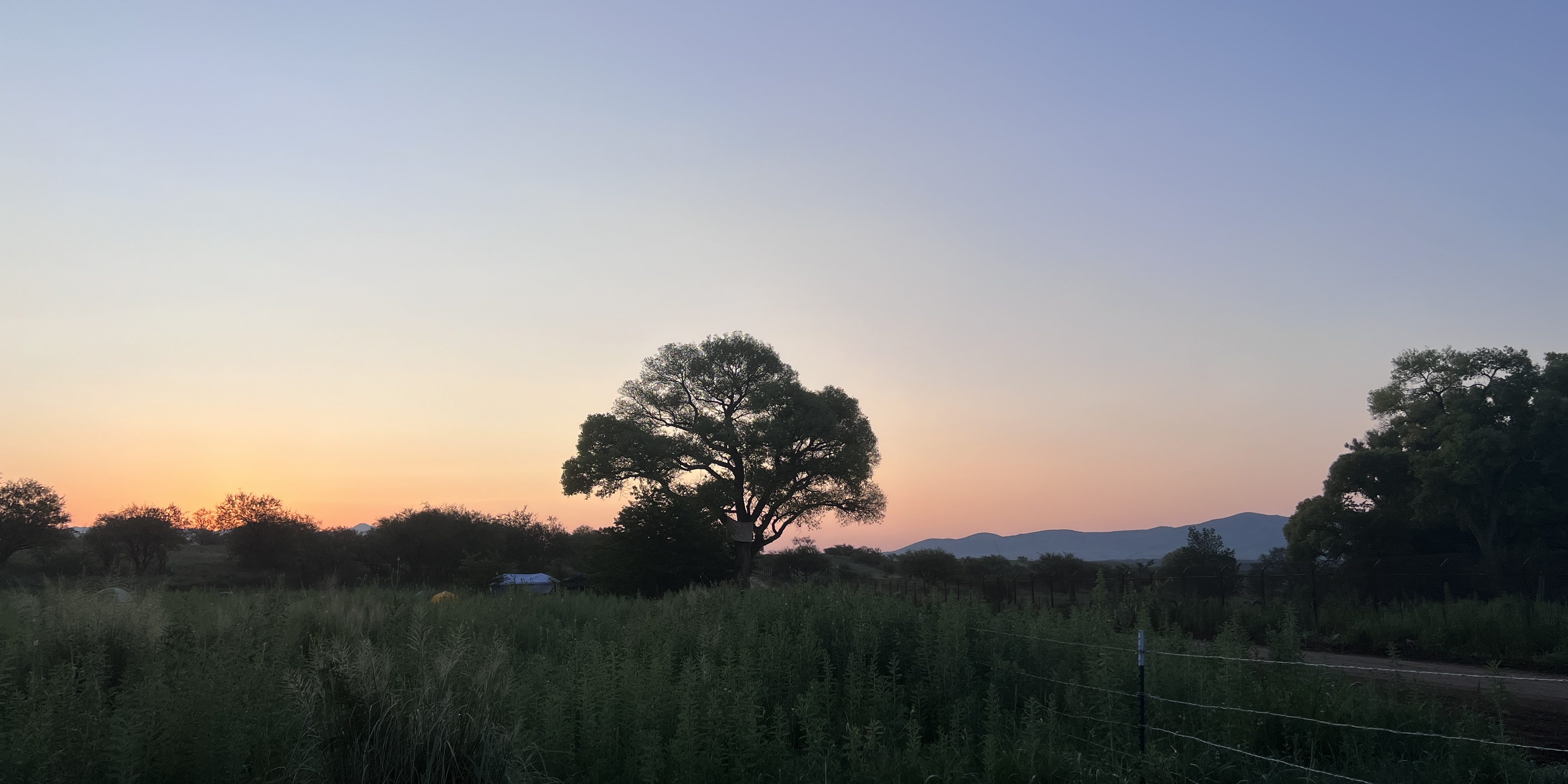
Environmental activists and local landowners in South Texas have launched a tree-sit movement to physically block the construction of President Donald Trump’s U.S.-Mexico border wall. The direct-action campaign aims to halt heavy machinery and land-clearing crews operating along the Rio Grande Valley, a region designated for extensive new barrier construction by federal authorities.
Demonstrators have built makeshift wooden platforms high in the canopy of trees positioned directly along the path of proposed wall segments. By occupying these positions around the clock, participants seek to create a physical obstacle that prevents contractors from clearing vegetation and deploying heavy excavation equipment. Ground support teams assist the tree-sitters by supplying water, food, and emergency supplies while monitoring law enforcement activity in the area.
The movement represents an escalation in public resistance against federal efforts to build miles of concrete levees and steel bollards. Local conservation groups, indigenous leaders, and private property owners have voiced strong opposition to the border wall projects, citing widespread environmental damage, the loss of private land through eminent domain, and the destruction of culturally significant sites.
Environmental groups warn that wall construction will disrupt delicate ecosystems within the Rio Grande Valley, a global biodiversity hotspot. The region serves as a vital corridor for migratory birds and rare species, including the endangered ocelot. To accelerate construction timelines, the U.S. Department of Homeland Security has invoked broad statutory authority to waive dozens of federal laws, including the Endangered Species Act, the Clean Water Act, and the National Environmental Policy Act.
The tree-sit campaign draws inspiration from historic forestry and pipeline protests across the United States. Organizers emphasize that their strategy relies on nonviolent civil disobedience to draw national attention to the local consequences of federal border policy. Demonstrators contend that physical intervention is necessary due to the rapid pace of construction and the limited legal remedies available to affected communities.
Federal agencies, including U.S. Customs and Border Protection, maintain that physical barriers are essential for operational control and securing the southern border. Officials state that wall design accounts for operational requirements while addressing security vulnerabilities. However, federal contractors face ongoing logistical delays as activists and landowners continue to challenge access to key parcels along the riverbank.
As legal battles continue in federal court over land condemnation and government funding allocations, the tree-sit movement signals a growing commitment among local resistance networks to maintain a continuous presence on the frontline of border wall construction in Texas.
#BorderWall #Texas #DonaldTrump #RioGrandeValley #EnvironmentalProtest #DepartmentOfHomelandSecurity #DirectAction
Comments (0)
No comments yet — be the first to weigh in.
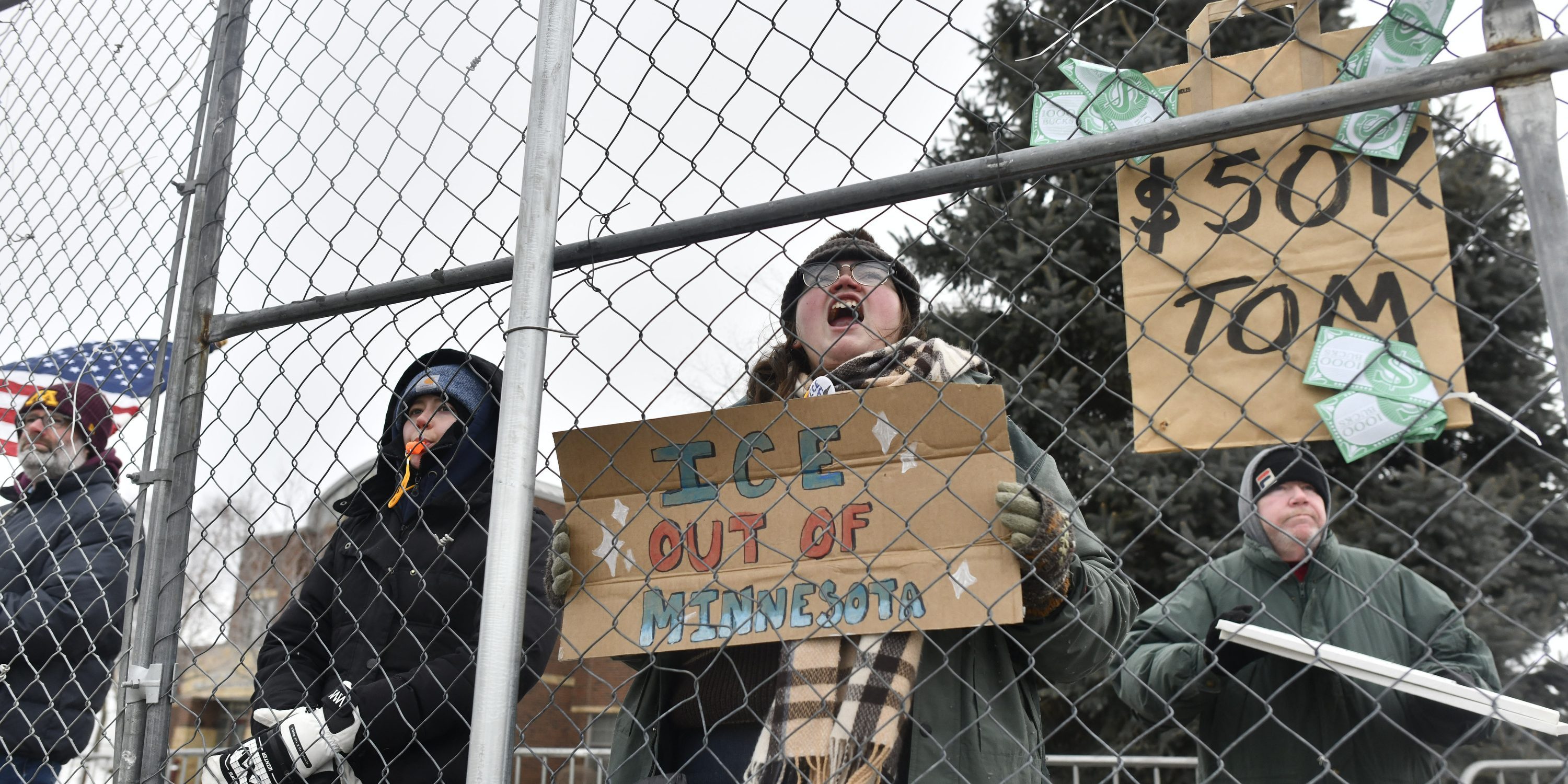
Conservative Groups Back Minneapolis Protesters in Legal Fight Against ICE Surveillance
Conservative and libertarian groups file a friend-of-the-court brief supporting Minneapolis protesters targeted by ICE undercover operations, alleging political profiling under Trump-era policies.
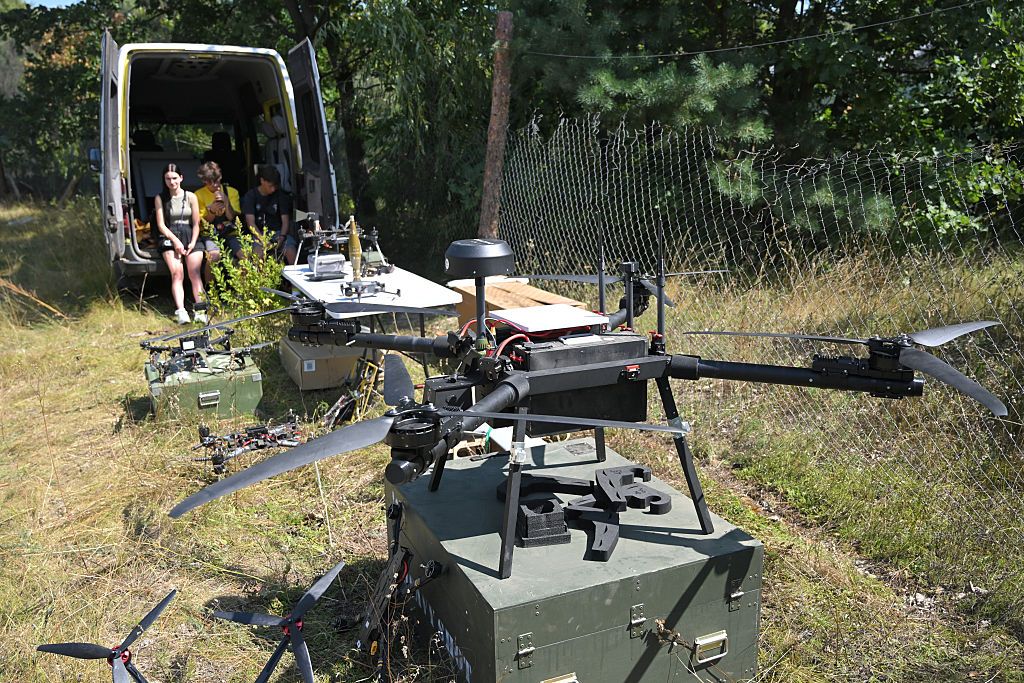
Lethal AI Drones: Urgent Call for Global Regulation and Oversight
Experts warn of the dangers posed by unregulated lethal AI drones, urging immediate global oversight. Learn more about the risks and calls for action.
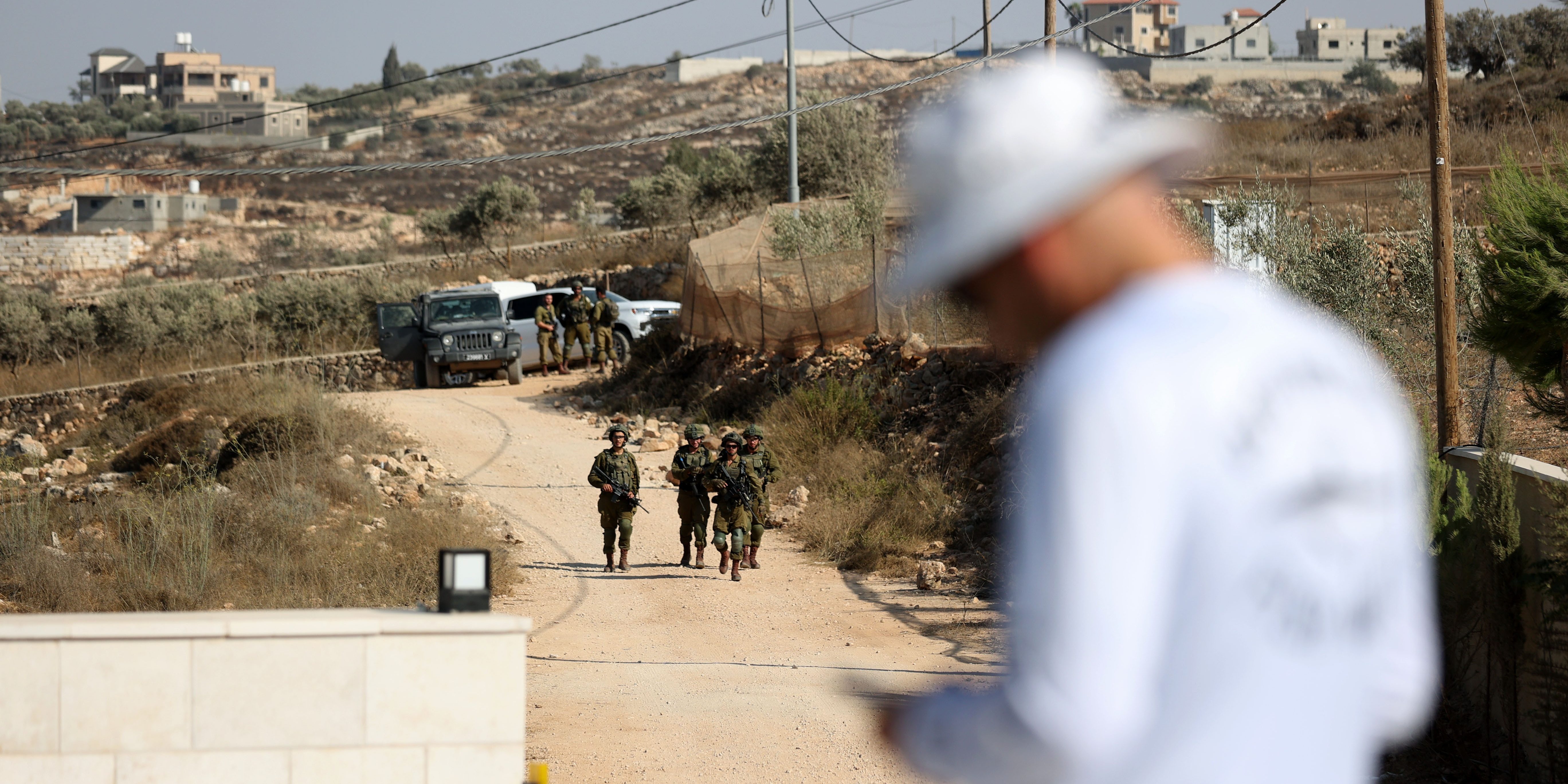
Israeli Forces Detain Palestinian Workers While Settlers Attack West Bank Home
Israeli soldiers detained Palestinian workers seeking protection from settlers who attacked a home in the West Bank. The incident highlights escalating settler violence amid international condemnation.
Trump Admin Claims Prenatal Care for ICE Detainee, Docs Show Lack
New FOIA documents reveal Guatemalan ICE detainee Iris Dayana Monterroso Lemus received minimal prenatal care, contradicting Trump admin’s fact‑check.

Small Doctor Reveals Boxing Passion, Musical Journey, and Influences

MQM-P Demands New Province in Sindh Amid Constitutional Debate