Authoritarians will target effective legal organizing, Minnesota defendant warns

The U.S. government under the Trump administration is increasingly using conspiracy charges to target political organizers, echoing the controversial counterintelligence tactics of the Nixon-era COINTELPRO program. On June 16, 15 community activists in Minnesota, known as the "Minnesota 15," were indicted for allegedly conspiring to obstruct federal immigration enforcement during the Trump administration’s "Operation Metro Surge," a December 2025 crackdown on undocumented immigrants.
The indictment claims the defendants conspired to prevent federal officers from performing their duties by using tactics like organizing meetings, fundraising, and social media outreach. Some are also accused of participating in an anarchist speaking tour titled "Breaking the ICE: Lessons from the Resistance in Minnesota." The 94-page document mentions anarchism 17 times, framing the defendants as part of a broader anti-government movement. Critics argue this mischaracterizes anarchism, which encompasses a wide range of beliefs centered on opposition to hierarchy and oppression.
The Trump administration’s National Security Presidential Memorandum 7 (NSPM-7), issued in October 2025 following the murder of right-wing activist Charlie Kirk, broadened the definition of "domestic terrorist" to include those opposing capitalism, Christianity, or traditional American values. The memo calls for disrupting and dismantling political movements deemed a threat to the administration’s agenda. Legal experts warn this sets a dangerous precedent for targeting dissent under the guise of national security.
Organizers like Cameron Kennedy, one of the Minnesota 15, reject the government’s framing. Kennedy describes anarchism as a commitment to egalitarianism and community-led resistance, emphasizing decentralized organizing and mutual aid. During "Operation Metro Surge," Twin Cities residents used hyperlocal networks—like the Whipple Watch project—to monitor ICE activity and mobilize rapid responses to raids. These efforts, Kennedy argues, reflect anarchist principles of collective action and mutual support.
The indictments have galvanized local support, with over 100,000 people participating in protests against ICE operations. Community leaders highlight the role of anarchist traditions in Minneapolis’s history, including labor movements and resistance to police violence. The case raises concerns about the weaponization of conspiracy laws to suppress political organizing, drawing parallels to historical crackdowns on radicals.
Legal scholars and civil rights groups are closely watching the case, which they see as a test of how far the government can go in labeling activists as terrorists. The outcome could set a precedent for future prosecutions of political dissent under similar legal frameworks.
#Minnesota15 #Anarchism #TrumpAdministration #OperationMetroSurge #ImmigrationCrackdown #DomesticTerrorism #DirectActionMinnesota #ImmigrantRights
Comments (0)
No comments yet — be the first to weigh in.
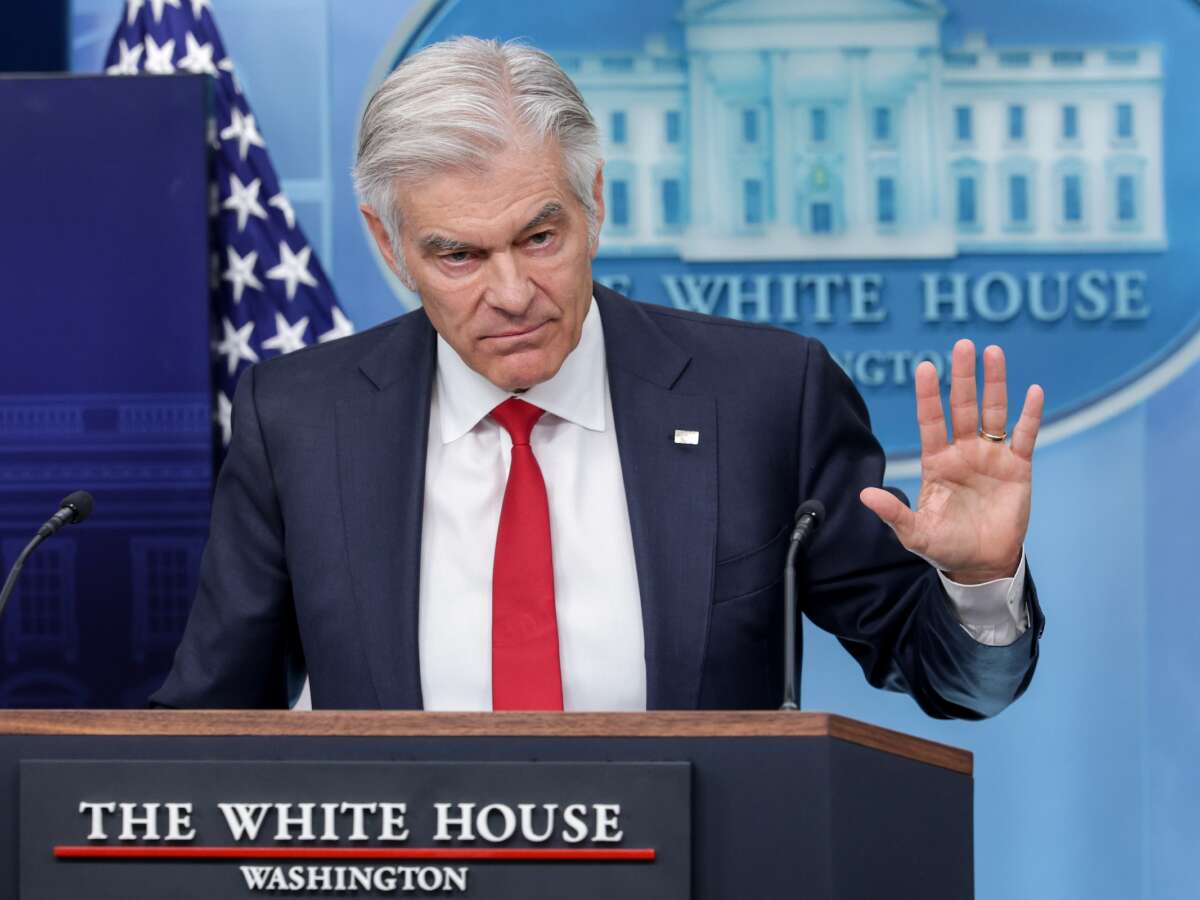
Mehmet Oz Dismisses Measles Concerns After Pennsylvania Baby’s Death
Mehmet Oz downplays measles concerns after a newborn’s death in Pennsylvania, amid a surge of unvaccinated cases and calls for vaccine confidence.
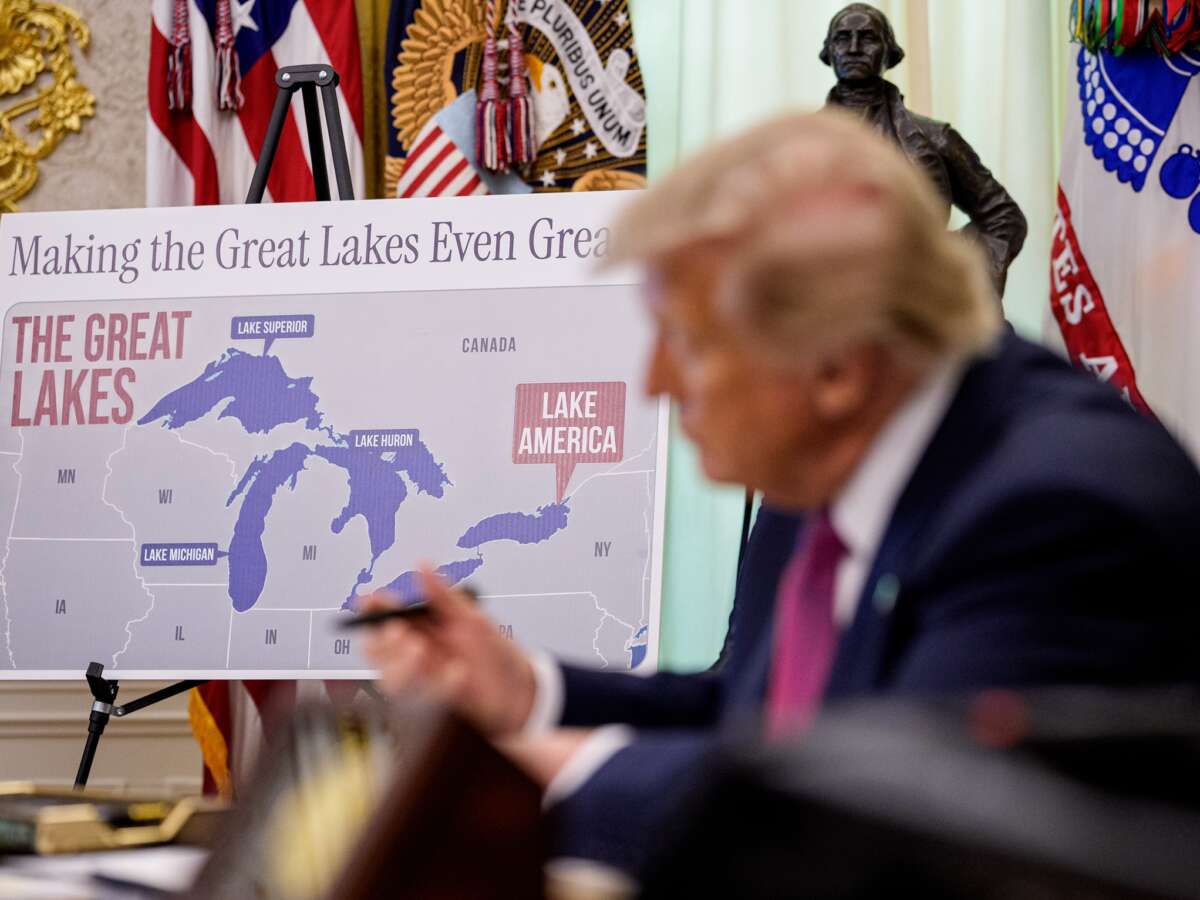
Trump Signs Executive Order Renaming Lake Ontario as “Lake America”
President Donald Trump signed an executive order Thursday renaming Lake Ontario to "Lake America" in all official U.S. government documents, escalatin...

Jury Finds DeSantis Admin Diverted $10M Marked for Poor Children to GOP Coffers
Florida’s grand jury has determined that $10 million in Medicaid settlement funds, originally intended to assist children’s health coverage, were redirected to...
Gaza’s Children Lose Childhood Amid War: Toys, Safety, and Hope Denied
Tens of thousands of children in Gaza have been killed or injured since 2023, with war erasing childhood itself—denying toys, education, and safety. Experts warn of permanent trauma.

Refugees International Slams Israel's Gaza Food Claims as 'Absurd'

LASUSTECH Lecturers Protest Delayed August Salaries Amid Management Dispute

Visa Enhances AI Cybersecurity Support for Businesses in New Era

Bayeux Tapestry’s UK Loan: A Symbol of Post-Brexit UK-France Rapprochement