Study reveals why well-fed orphan bears struggle to survive in the wild
Research shows most rehabilitated grizzly bears die within a year due to overfeeding, human habituation, and inability to adapt to natural conditions.

A new study on grizzly bear rehabilitation in British Columbia reveals that releasing overfed orphaned cubs into the wild often leads to fatal outcomes. Led by wildlife biologist Dr. Lana M. Ciarniello and funded by the Grizzly Bear Foundation, the research tracked 12 yearling grizzlies following their release into their natural habitat. Within a single year, all but two of the monitored bears had died, raising critical questions about the effectiveness of current rewilding and wildlife conservation practices.
The study found that orphaned cubs were raised on calorie-dense diets consisting of roadkill, watermelon, dog food, and donated snacks, causing them to reach up to 3.5 times the body mass of wild-reared yearlings. This extreme growth created what Ciarniello termed a metabolic trap. Once released, the oversized yearlings possessed massive skeletal frames that required massive caloric intake to maintain. Even in habitats with abundant food supplies, the bears could not forage efficiently enough to survive. Two females released in areas without access to salmon lost an average of nearly one pound per day.
Human habituation presented another severe threat to the rehabilitated yearlings. Previous assumptions suggested that a brief period without human interaction prior to release would reverse familiarity with people. However, the study demonstrated that bears continued to associate humans with food even after extended periods in remote wilderness. Five of the tracked bears died as a result of human-wildlife conflict. In one instance, a female grizzly raided a remote mining site for food after spending nearly two months in an alpine zone. Of the remaining bears in the study, two were killed illegally and three were killed by wild bears.
Expert opinions highlight the fundamental difficulty of replacing maternal care. Chris Servheen, co-chair of the International Union for Conservation of Nature (IUCN) North American bears expert team, explained that grizzly mothers teach their cubs over a period of two to three years where to find food, what to eat, and how to avoid danger. Without this natural education, humans struggle to raise cubs without habituating them or failing to prepare them for wild conditions.
The findings are expected to shape future wildlife management policies and rehabilitation techniques. Biologists emphasize that rearing methods must become far more hands-off, drawing inspiration from international initiatives like Free the Bears, which uses remote feeding devices to prevent human contact. The Grizzly Bear Foundation plans to translate the study into a best practice report to guide policy in British Columbia and assist endangered brown bear recovery efforts across Europe and Asia.
#GrizzlyBears #BritishColumbia #DrLanaMCiarniello #IUCN #GrizzlyBearFoundation #WildlifeConservation #Rewilding #WildlifeRehabilitation
Comments (0)
No comments yet — be the first to weigh in.

Poland's Coal Decline Accelerates as Renewables Surge Past 50% in 2025
Poland's coal dependency drops from 72.5% to 52.7% in electricity generation, with renewables surpassing coal in June 2025. Gas also plays a growing role in the energy transition.
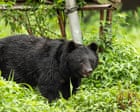
Japan Culls 14,000 Bears Amid Rising Attack Deaths – Conservation Crisis?
Japan culled 14,000 bears after 13 deaths, yet attacks rise. Conservationists warn the move threatens vulnerable Asiatic black bears and may not curb conflicts.

How Clean Air Zones Improve Health: Global Success Stories in Fighting Pollution
Discover how cities like London, Paris, and Barcelona are cutting air pollution with clean zones and cycling networks, improving public health and reducing premature deaths.

How one American couple ditched their lawn and created a wildlife haven – and you could too
Former Chicago residents James Reed McGuire and Crystal Fritz have transformed their suburban front yard in Highland Park, Illinois, from a conventional turf gr...

Search Ongoing for Missing Crew After Boat Distress Call in English Channel

How 'Discrimination' Definition Keeps Expanding Beyond Original Meaning
Poland's Coal Decline Accelerates as Renewables Surge Past 50% in 2025

Kogi NYSC Abduction: Sister Pleads for Rescue Amid Ransom Demands