Bangladesh Faces Currency Shortage Due to Torn, Damaged Banknotes
Bangladesh's financial system struggles with an influx of torn and damaged banknotes, causing public inconvenience. The central bank's delay in replacing old notes exacerbates the crisis.
A severe shortage of new paper banknotes has left the Bangladeshi market flooded with worn, damaged, and torn currency notes, causing widespread disruption for consumers, businesses, and commercial banks across Dhaka and the country. The crisis stems from Bangladesh Bank failing to withdraw worn-out notes and issue new ones in a timely manner following political changes and raw material import bottlenecks.
The circulating torn notes are creating daily friction in basic transactions. Automated Cash Recycling Machines at bank branches, such as those in Karwan Bazar, and ticket vending machines on the Dhaka Metro Rail frequently reject older notes. Small business owners, mobile vendors in areas like Mirpur, and everyday shoppers report that wholesale traders and retailers routinely refuse to accept damaged currency, leaving citizens unable to complete urgent payments.
Central bank sources indicate the currency shortage escalated after the fall of the Awami League government in August 2024. Following the political transition, Bangladesh Bank halted the issuance of notes featuring the portrait of Bangabandhu Sheikh Mujibur Rahman. However, extended delays in designing, approving, and printing new banknotes created a supply gap that central authorities have yet to fully resolve.
The central bank relies on imported security paper, intaglio ink, and chemicals from eight international suppliers to produce paper money. Printing is executed by the Security Printing Corporation (Bangladesh) Ltd, also known as the mint, which faces limited capacity. Delays in raw material shipments have stalled the printing of Tk 20 and Tk 50 notes, while the central bank has suspended Tk 2 and Tk 5 paper notes entirely to promote metal coin usage.
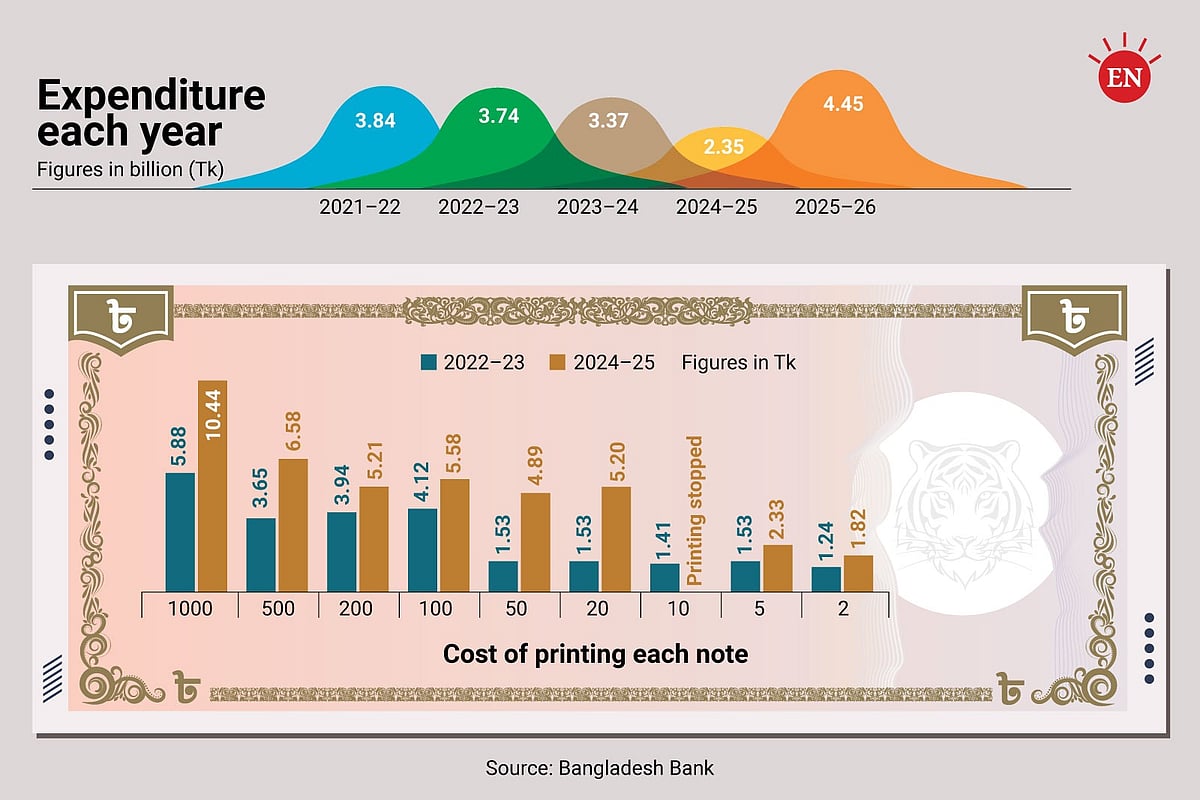
Compounding the supply issue, the cost of printing money has surged significantly. Driven by global inflation, higher freight rates, and the depreciation of the Bangladeshi taka against the US dollar from Tk 85 to Tk 124 since the outbreak of the Russia-Ukraine war, production expenses have nearly doubled. For instance, the cost to print a Tk 20 note surged by approximately 229 percent to Tk 5.20, while a Tk 50 note now costs Tk 4.89 to produce.
Bangladesh Bank Executive Director and Spokesperson Arif Hossain Khan stated that printing for newly designed Tk 10 and Tk 500 notes is currently underway. He explained that once the mint deposits the freshly printed currency with the central bank, it will be distributed to commercial banks. To lessen cash demand, central bank officials are encouraging wider adoption of digital transactions through the Bangla QR network.
Until new currency bills saturate the financial system, Bangladesh Bank continues to face pressure from commercial banks and the public to expedite the replacement of damaged notes and stabilize physical currency circulation.
#BangladeshBank #Dhaka #Bangladesh #CurrencyCrisis #Banknotes #ArifHossainKhan #Economy #BanglaQR
Comments (0)
No comments yet — be the first to weigh in.

Uttar Pradesh IAS Officer Divya Mittal Resigns After 13 Years of Service
Uttar Pradesh cadre IAS officer Divya Mittal resigns after 13 years in civil service, citing a desire to contribute to the nation. Details on her career and resignation.
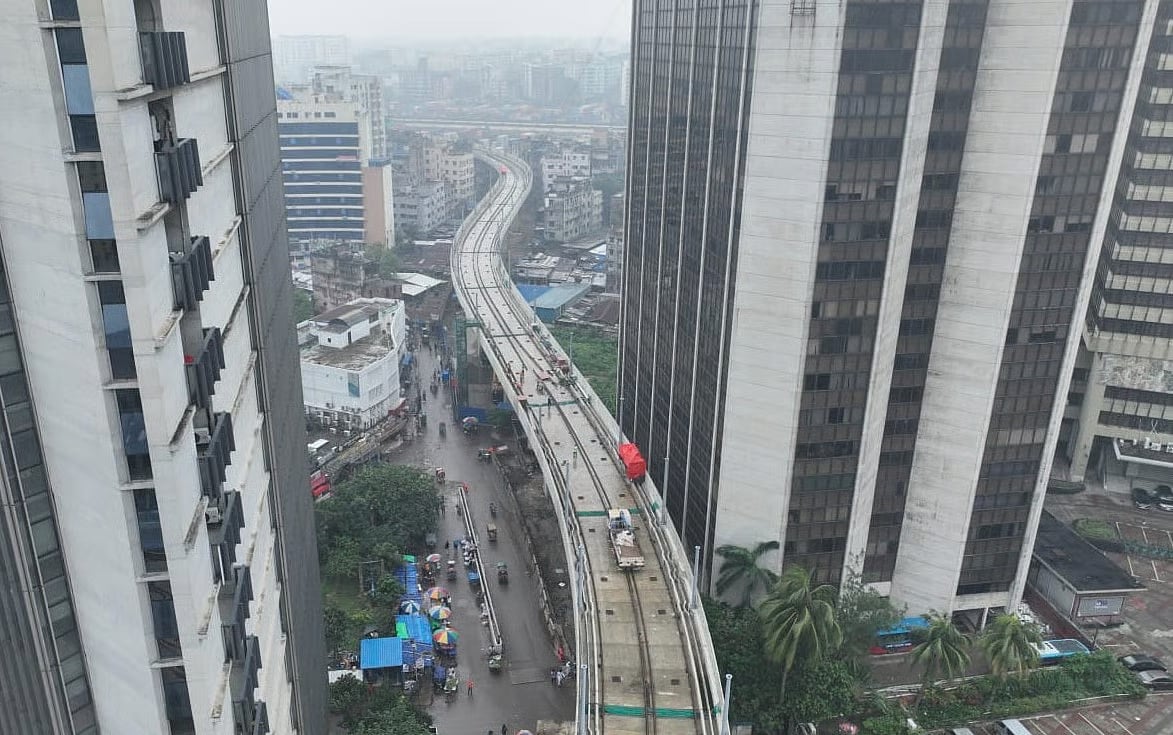
Dhaka Metro Rail Cost Surges to Over Tk 2 Trillion: Causes and Concerns
The projected cost for Dhaka's MRT Line-1 and Line-5 (Northern Route) has more than doubled to Tk 2.14 trillion due to design changes, inflation, and currency depreciation, awaiting Planning Commission approval.
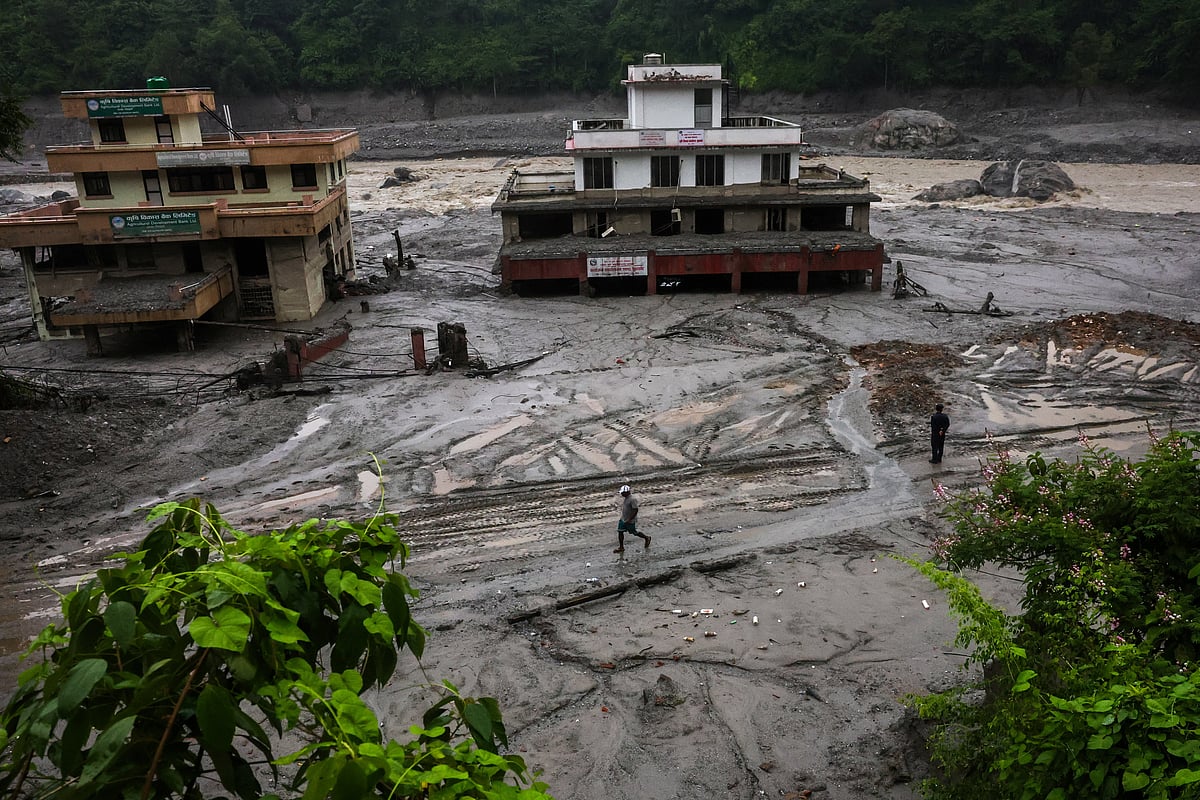
Rescuers Battle Mud, Floods to Find 3,000+ Missing After Himalayan Glacial Collapse
Rescue teams in Nepal and China search for 3,044 missing after a glacial collapse triggers a deadly Himalayan flood, with rising waters and mud hampering efforts.
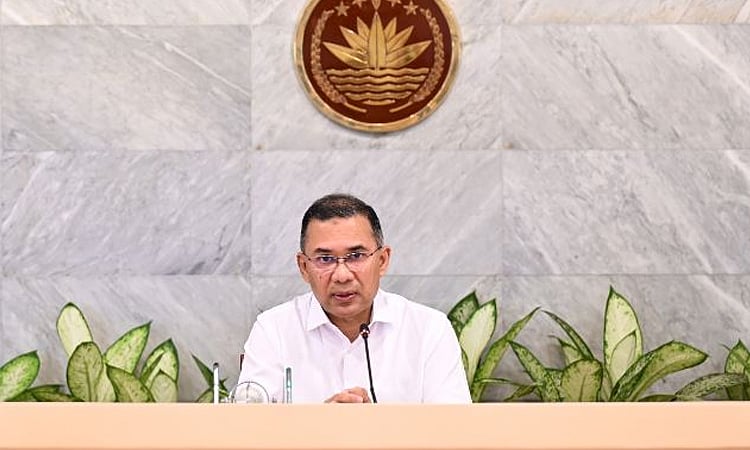
PM asks for shifting terminals, Karwan Bazar kitchen market to ease traffic
Prime Minister Tarique Rahman has directed authorities to implement sweeping changes to ease traffic congestion in Dhaka, including relocating the Fulbaria Bus...
Uttar Pradesh IAS Officer Divya Mittal Resigns After 13 Years of Service

AI Chatbots Outperform Search Engines in Detecting Foreign Propaganda: Study

Sixty Years of 'The Battle of Algiers' and the Myth of the Autism Epidemic

NAFDAC Cracks Down on Unregistered Cosmetics at Lagos Trade Fair