Meta Settlement Limits Youth Access, Raises Privacy Concerns, EFF Warns
EFF criticizes Meta’s settlement over age verification mandates, warning it restricts youth rights and expands invasive data collection with weak safeguards.
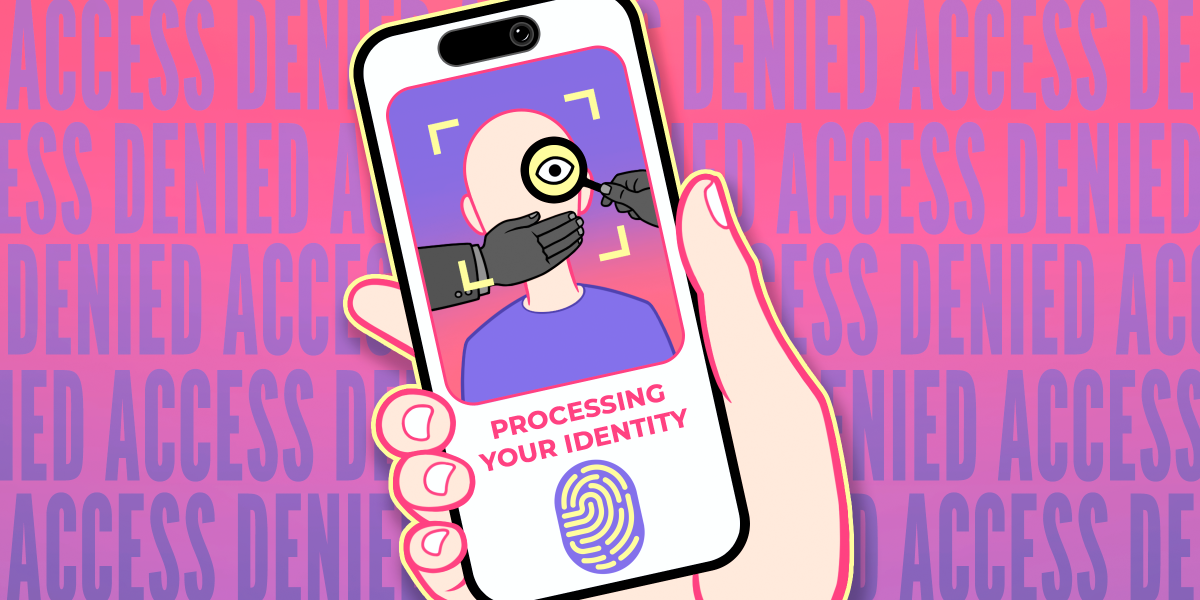
Meta, the parent company of Facebook and Instagram, has reached a settlement with the U.S. Department of Justice that imposes significant restrictions on young users' access to its platforms and embeds age assurance measures across all products. The Electronic Frontier Foundation (EFF) has issued a statement criticizing the agreement, arguing that it reduces young users' ability to exercise their rights to free expression, access information, associate with communities, and engage with art and culture.
The settlement mandates that Meta collect more personal information from users of all ages to verify their ages, a process known as age assurance. The EFF warns that this requirement embeds Meta's existing surveillance practices into law, compromising users' privacy and anonymity while increasing their exposure to data breaches and government data requests.
The agreement also includes data minimization and security measures, but the EFF cautions that these do not prevent states from using the collected data for other law enforcement purposes. Such purposes could include criminal investigations related to abortions or gender-affirming care, raising concerns about the potential misuse of user data.
The EFF statement highlights that the settlement will limit young users' access to Meta's platforms, effectively curtailing their ability to participate in digital spaces. This reduction in access, according to the EFF, infringes on young users' rights to speak freely, access diverse forms of information, and form communities.
Furthermore, the EFF criticizes the settlement for entrenching Meta's surveillance-based business model. By mandating age assurance across all products, the agreement legitimizes the company's practice of extensive data collection, which the EFF argues is inherently harmful to user privacy.
The EFF's concerns extend to the broader implications of the settlement, particularly in an era where digital platforms play a crucial role in civic engagement, education, and social interaction. The organization argues that the agreement sets a dangerous precedent, prioritizing corporate interests over the fundamental rights of young users.
In conclusion, the EFF's statement on the Meta settlement underscores the trade-offs between safety and privacy in digital spaces. While the agreement aims to protect young users, the EFF contends that it does so at the expense of their rights and privacy, embedding harmful surveillance practices into law and potentially enabling government overreach.
Comments (0)
No comments yet — be the first to weigh in.
Related Coverage
 Technology
Wireless Fat Tire Brakes: ESP32‑Powered ABS and Remote Control Demo
Tested on a fat‑tire bike, the ESP32‑controlled wireless brakes add ABS, remote‑control, and a braking‑equalizer, showing the future of electronic mountain‑bike braking.
 Technology
Wikipedia on a Cheap Yellow Display
A hobbyist has adapted the Cheap Yellow Display (CYD), a budget-friendly microcontroller board, to serve as an offline Wikipedia reader by running a customized...
 Technology
Compact PCB Vise Uses Up That Leftover Filament
A 3D-printed PCB vise created by a maker known online as Chefkoch offers enthusiasts a practical way to repurpose leftover filament spools while gaining a usefu...
 Technology
Apple Health App Revamp with AI Coach Set for September 2024 Release
Apple’s upcoming Health app overhaul, dubbed Project Mulberry, will add an AI health coach, blood‑sugar tracking and camera‑based workout guidance—likely launching in September 2024.
Most Read
Ian Frazier and Samy Burch Discuss 'Coyote vs. Acme' in The New Yorker

Latin America Energy Storage Forecast Jumps to 34 GW by 2035: Wood Mackenzie


Tarkowski strikes late to rescue point for Everton at Bournemouth
