LGBTQ+ Lives in Mozambique: Hidden Struggles Beyond Legal Tolerance
In Mozambique, LGBTQ+ individuals face systemic discrimination despite legal tolerance, with barriers in education, healthcare, and employment disproportionately affecting trans people and LBQ women.

In Mozambique, the absence of laws explicitly criminalizing LGBTQ+ identities is frequently misinterpreted as widespread acceptance. Yet for transgender individuals and lesbian, bisexual, and queer women, daily life reveals a different reality marked by persistent discrimination across multiple spheres—schools, healthcare, workplaces, religious institutions, and online spaces. While legal persecution is less visible than in countries like Nigeria, activists argue that exclusion in Mozambique operates through silence, invisibility, and systemic neglect rather than overt legal action.
Trans activist Pepetsa Fumo, who works with Transform—a group advocating for transgender recognition and inclusion—points to invisibility as a core issue. “As nobody writes about us, we become invisible,” Fumo told Global Voices. This silence is reinforced early in life, particularly in education. Mozambican school curricula remain deeply heteronormative, with officials removing references to sexual orientation from educational materials. The result, activists say, is increased bullying, psychological harm, and high dropout rates among LGBTQ+ students. Teachers, often lacking training in diversity and human rights, struggle to create safe classroom environments.
“Discrimination starts at the ministry level,” Fumo explained, “and in how teachers are trained to reject diversity.”
These educational gaps ripple into adulthood, affecting employment, economic stability, and social mobility. Many transgender people and LBQ women face barriers in securing formal jobs, accessing professional training, or finding sustainable income sources. Though community-led initiatives like Por Ela aim to empower LBQ women through entrepreneurship and leadership programs, structural challenges—limited funding, inadequate management training, and reliance on external donors—hinder long-term progress. “One day you have work, the next it’s gone. Then you’re back to waiting in the shade,” said Fumo, reflecting the precarious nature of livelihoods in the LGBTQ+ community.
Healthcare presents a mixed picture. Years of advocacy have improved recognition of transgender people in HIV and AIDS programs, but activists highlight persistent issues. LBQ women remain largely excluded from health debates and services, and policies often label transgender individuals as “key populations,” stripping them of personal identity. One interviewee told Global Voices, “I’m not a ‘key population.’ I’m Darius. Don’t reduce me to a category.” While some clinics now acknowledge transgender needs, lesbian and bisexual women frequently report that violence against them is recorded as general gender-based violence, ignoring the role of sexual orientation in motivating attacks.
Digital platforms have become vital for connection and activism, enabling queer communities in Mozambique to organize, share experiences, and challenge exclusion. Yet these spaces also expose activists to online harassment, disinformation, and surveillance. Queer activists and women human rights defenders describe hate speech, intimidation, and campaigns targeting their public visibility. As Mozambican policymakers focus on digital security and technological advancement, activists urge inclusion of free expression, privacy, and civic participation in national debates.
The lived experiences of LGBTQ+ Mozambicans show that exclusion is not isolated but interconnected—educational barriers, economic insecurity, healthcare disparities, and digital violence compound to deepen vulnerability. For activists, the struggle is fundamentally about full citizenship: access to rights, economic opportunity, safety, and representation in all areas of life. In a global climate marked by rising anti-rights movements and digital surveillance, Mozambique’s LGBTQ+ communities illustrate why discussions on gender justice, diversity, and digital rights must center the realities of communities in the Global South.
Global Voices has long championed multilingual, community-driven journalism, amplifying voices often marginalized in mainstream media. As Mozambique’s LGBTQ+ activists navigate silence and visibility, independent reporting remains essential to documenting their struggles and advancing inclusion.
#LGBTQrights #Mozambique #Transactivism #Digitalactivism #Healthcareaccess #Economicjustice #Humanrights #GlobalVoices
Comments (0)
No comments yet — be the first to weigh in.
Related Coverage
 World
World
At least 37 dead and hundreds evacuated after strike on Kyiv warehouse
At least 37 people have been killed and nearly 400 evacuated after a Russian drone strike triggered explosions at a warehouse in the Kyiv region late Friday, Uk...
 World
World
Sarah Ferguson Expected to Return to UK Soon, Source Says
Former Duchess of York Sarah Ferguson, who lost her royal titles amid the Epstein scandal, is expected to return to the UK soon, a source told the BBC.
 World
World
Burnham's summer tour is over - now he has to prove himself in Parliament
Andy Burnham faced the first major challenge of his premiership on Tuesday as Parliament returned, marking the end of his summer tour and the beginning of inten...
 World
World
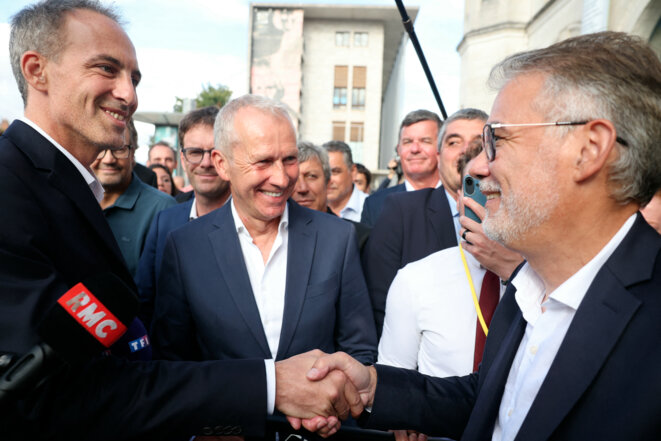
Le PS fait sa rentrée à Blois avec des débats sans risque dans l’attente de la primaire
The French Socialist Party (Parti Socialiste or PS) officially launched its rentrée politique, or political comeback season, in Blois this week, focusing on int...
Most Read

Three-storey building collapses at Swaminarayan temple in Prayagraj, no casualties
Kai Bird Explores Roy Cohn's Influence on Donald Trump's America
Canada's Solar Energy Growth: Provinces Chart Diverse Paths to 2035 Goals
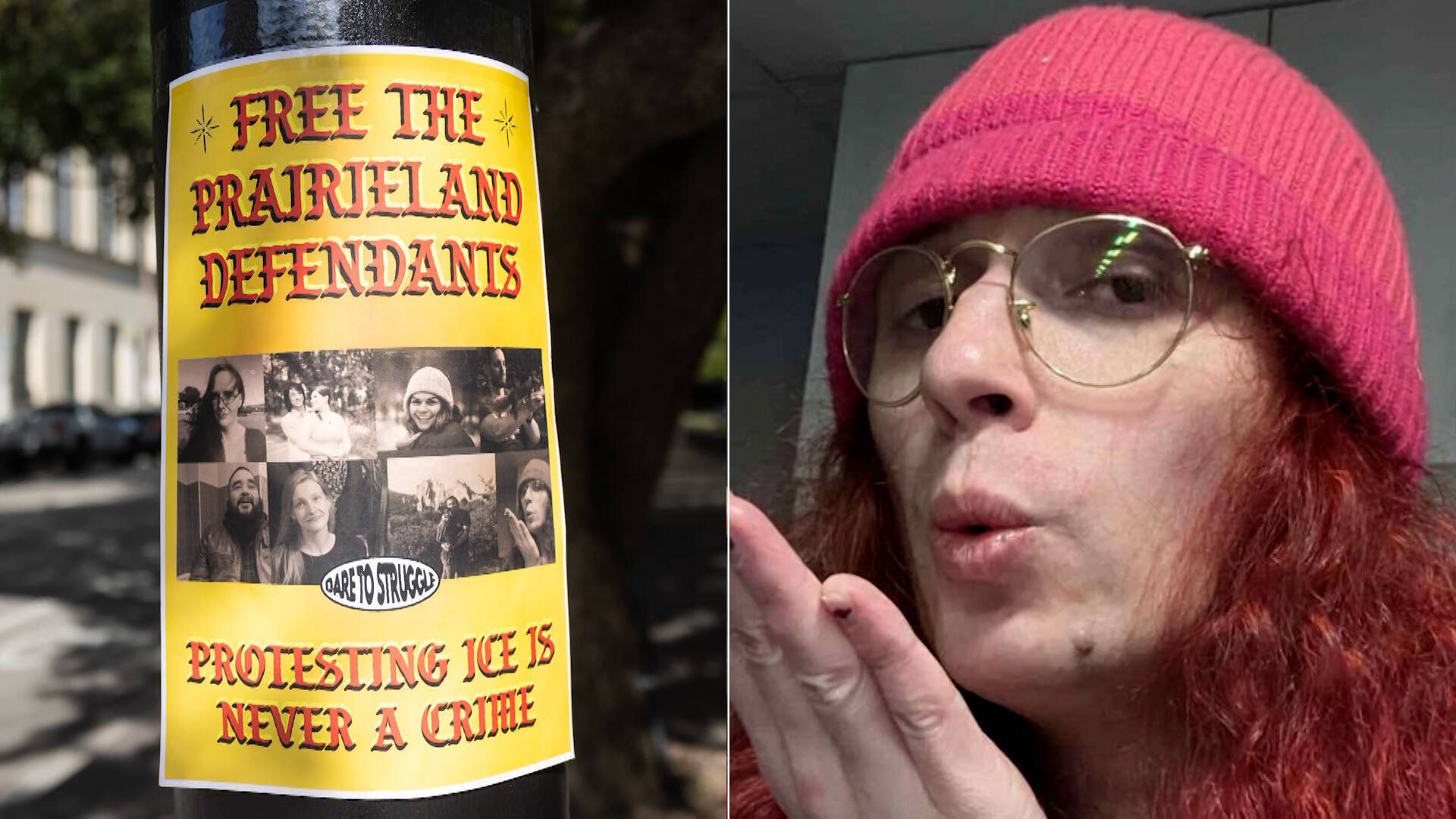
Autumn Hill Sentenced to 50 Years in Prison for Anti-ICE Protest: A Case of Political Persecution?
