Latino Coloradans Face Higher Dementia Risk: Navigators Provide Critical Support
Latino Americans are disproportionately affected by Alzheimer's and dementia. In Colorado, culturally tailored GUIDE programs and bilingual navigators help families access essential care and resources.
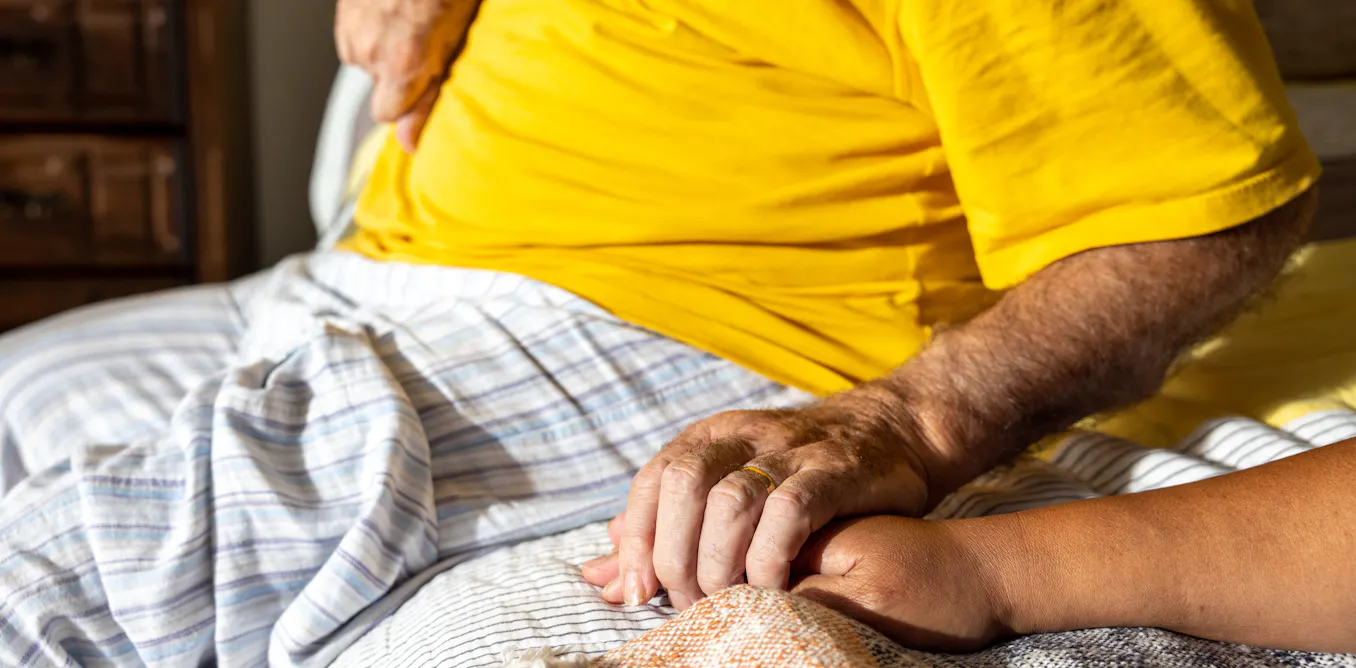
Latino Coloradans living with dementia and their caregivers now have improved access to culturally responsive support through the GUIDE program, a Medicare initiative launched in 2024. The program, which provides dementia care navigators at no additional cost to eligible Medicare beneficiaries, is addressing critical gaps in care for Colorado’s growing Latino population. Nearly a quarter of Colorado’s population identifies as Hispanic or Latino, and Latino Americans are 1.5 times more likely to develop Alzheimer’s disease than white Americans, according to the Alzheimer’s Association. Of the 91,000 Coloradans aged 65 and older living with Alzheimer’s, approximately 11,000 are Latino, many of whom face barriers to timely diagnosis, treatment, and coordinated care.
The University of Colorado Medicine GUIDE Program, led by geriatrician and palliative care physician Dr. [Name], is among four such programs currently operating in Colorado. These programs serve areas including Grand Junction, Durango, Pueblo, and Denver, aiming to reduce the overwhelming stress and uncertainty experienced by individuals with dementia and their caregivers. Dementia not only limits a person’s independence but also affects decision-making abilities, behavior, and overall quality of life. The GUIDE model connects eligible Medicare beneficiaries with a trained dementia care navigator who develops personalized care plans, coordinates healthcare services, and provides education and resources.
A key focus of the GUIDE program in Colorado is addressing the unique needs of Latino communities. In 2023, Dr. [Name]’s research team engaged eight Latino caregivers as advisers to improve dementia palliative care studies. Their input highlighted challenges such as limited access to interpreters and services in their preferred language or dialect. These insights have led to the hiring of bilingual dementia care navigators and the inclusion of Spanish-language resources. The Colorado Department of Public Health and Environment also launched the Talk About Dementia campaign in 2024, offering caregiver support in both English and Spanish.
Since its launch, the University of Colorado GUIDE Program has enrolled 200 patients with dementia and their caregivers, tracking their experiences and caregiver strain. The program’s efforts align with a broader public health push to support the tens of thousands of Coloradans affected by dementia. Families and caregivers can locate nearby GUIDE programs using the Colorado dementia GUIDE model map, a tool designed to streamline access to services.
With 292 GUIDE programs now operating across the U.S., Colorado is contributing to national research on how dementia care navigation can best support patients and families. The program’s culturally responsive approach is a step toward reducing stigma, improving early diagnosis, and ensuring that Latino communities receive the care they need.
#DementiaCare #LatinoHealth #ColoradoHealth #MedicareGUIDE #AlzheimersSupport #CaregiverResources #HealthcareAccess #MultilingualCare
Comments (0)
No comments yet — be the first to weigh in.
Related Coverage
 Science
Islanders asked to report sightings of rare eel
Islanders Urged to Report Sightings of Critically Endangered European Eel in Guernsey Guernsey’s Nature Commission is appealing to residents to report sightings...
 Science
The importance of teaching students what AI can’t do
The growing role of artificial intelligence in education raises concerns about over-reliance on AI tools and the potential erosion of critical thinking skills a...
 Science
More protein in your breakfast or snacks won’t give you more muscle without more work – a biologist separates the science from the marketing
The modern breakfast aisle looks dramatically different than it did a generation ago, with protein-enriched cereal, bread, chips, and even Pop-Tarts now crowdin...
 Science
Thunderquakes: New Seismic Imaging Method Uses Thunder to Map Earth's Subsurface
Scientists discover how thunderquakes can X-ray the ground below, offering a cost-effective way to map groundwater, sinkholes, and subsurface hazards using existing fiber-optic cables.
Most Read

Russian Drone Strike on Kiev Ammo Depot Kills 37, Sparks Evacuations

At least 37 dead and hundreds evacuated after strike on Kyiv warehouse
Ian Frazier and Samy Burch Discuss 'Coyote vs. Acme' in The New Yorker

Latin America Energy Storage Forecast Jumps to 34 GW by 2035: Wood Mackenzie