India's data center boom sparks displacement concerns amid unchecked growth
Critics warn India's rapid data center expansion risks displacing communities without adequate compensation or consultation, raising sustainability and equity issues.

India's rapid digital expansion, marked by over 70% of its population now online, has been accompanied by a growing concern over the environmental and social costs of data centers. Osama Manzar, founder of the nonprofit Digital Empowerment Foundation, highlights the potential for another "extractive technology," where benefits and control remain concentrated among powerful entities, both in terms of land and water use.
Data centers, critical to the digital economy, are projected to consume water equivalent to 1.3 billion people's annual domestic needs and require electricity matching the demand of 650 million people by 2030. This has sparked protests not only in India but globally, from Malaysia to Chile.
Manzar, who has served on various government and international policy committees, questions the rapid expansion of data centers, particularly the lack of consultation with local communities. "The government is shaking hands with data center companies without consulting with their own people," he said. "We need to ask whether it is really development."
In India, data centers are often viewed as a developmental activity, with governments offering tax exemptions and low-cost land to attract companies. However, Manzar argues that this approach disregards the local communities who bear the costs. "If you're taking my land, what are you giving back?" he asked. "I am not even a stakeholder in your data center."
The lack of awareness and consultation is evident in areas like Visakhapatnam, where Google is building a data center. Locals are often unaware of the term "data center" until construction or clearance activities begin. "People are kept in the dark, and suddenly there is activity in the neighborhood," Manzar said. "The reaction could be harsh."
Unlike traditional factories that employ large numbers of people, data centers are highly automated, offering limited local employment opportunities. This automation also threatens to replace existing jobs, from artisans to data creators. Manzar argues that local communities, including landowners, agriculturists, and women's groups, should be consulted and involved in the decision-making process.
Manzar also raises concerns about the environmental impact of data centers. In Telangana, where Microsoft is building a data center hub, some of the acquired land has been under dispute. "This is not a sovereign act," Manzar said. "These data centers are owned by private entities."
He suggests an alternative model: hyperlocal, multi-distributed data centers that serve local needs, such as farming, governance, and business. "Developing countries should not become data waste centers, serving the elite of the world," he said. "If you are coming to my neighborhood, first serve us."
Manzar acknowledges that companies may innovate to address environmental concerns, such as not using groundwater or extracting water from moisture. However, he questions what local communities receive in return for the pollution and noise created by data centers. "The promises they are making are not on paper," he said.
In conclusion, Manzar advocates for a more inclusive and sustainable approach to data center development. "What is being taken as guaranteed is that the existence of a data center is not negotiable," he said. "That question needs to be asked because it is directly related to the community."
Comments (0)
No comments yet — be the first to weigh in.
Related Coverage
 Technology
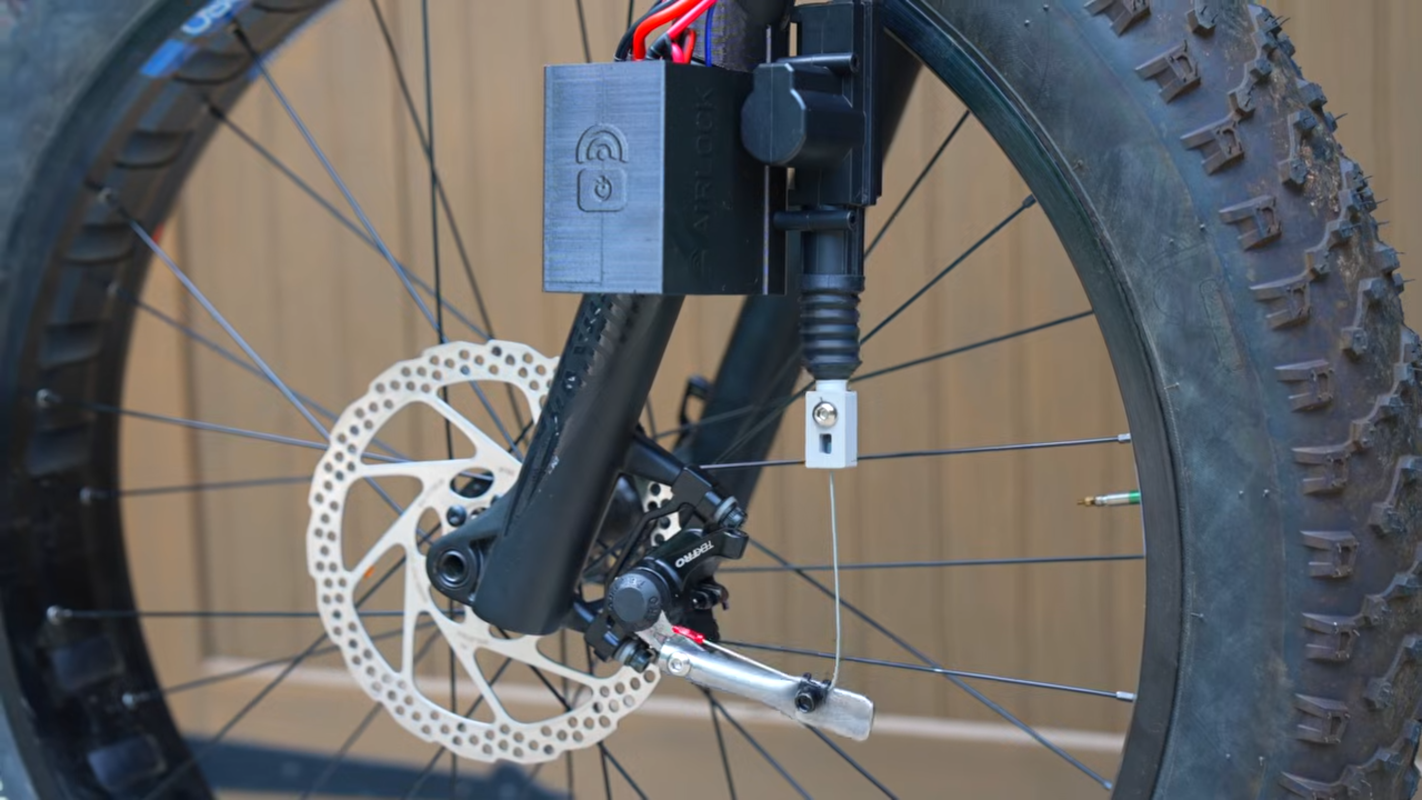
Wireless Fat Tire Brakes: ESP32‑Powered ABS and Remote Control Demo
Tested on a fat‑tire bike, the ESP32‑controlled wireless brakes add ABS, remote‑control, and a braking‑equalizer, showing the future of electronic mountain‑bike braking.
 Technology
Wikipedia on a Cheap Yellow Display
A hobbyist has adapted the Cheap Yellow Display (CYD), a budget-friendly microcontroller board, to serve as an offline Wikipedia reader by running a customized...
 Technology
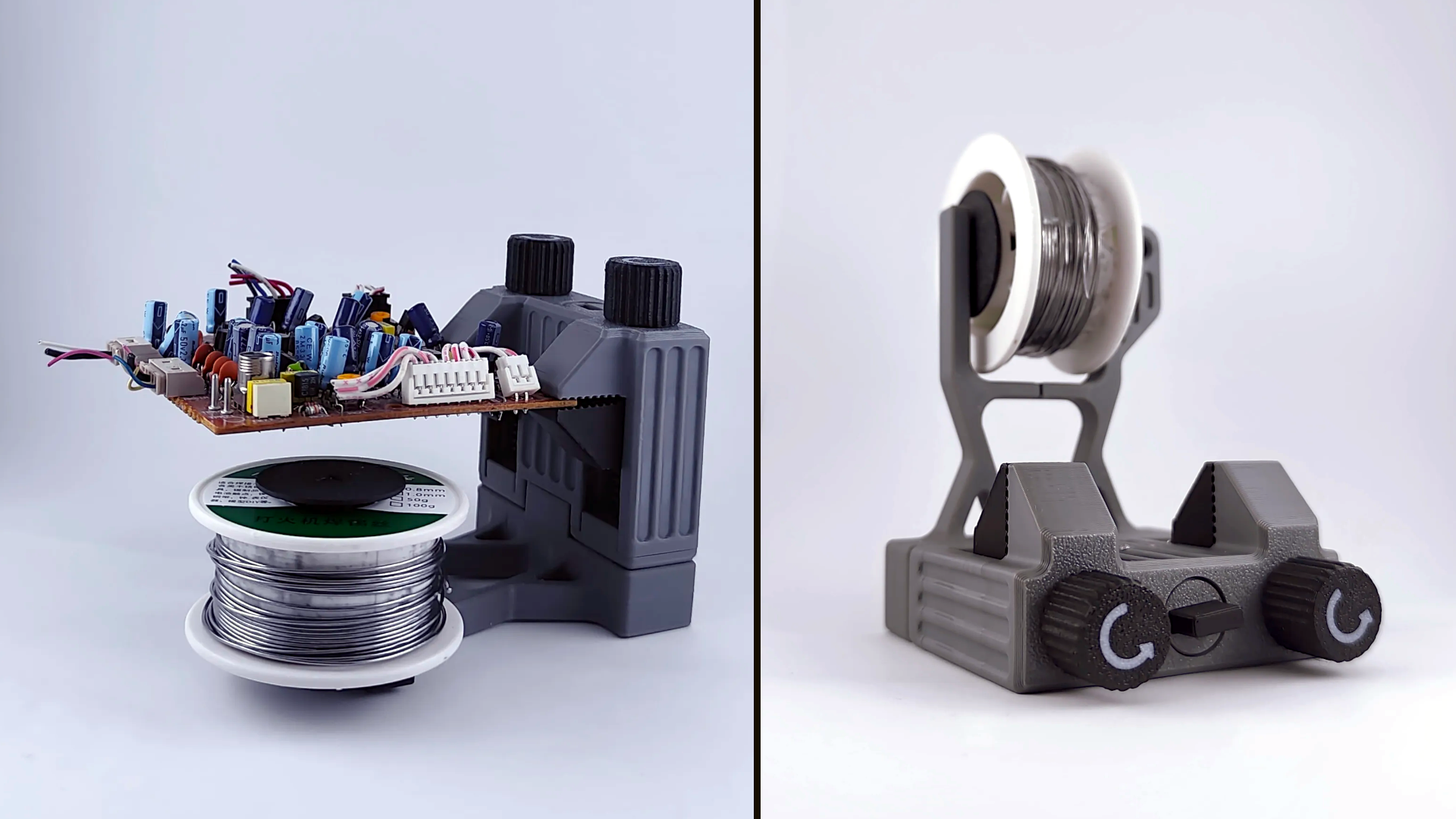
Compact PCB Vise Uses Up That Leftover Filament
A 3D-printed PCB vise created by a maker known online as Chefkoch offers enthusiasts a practical way to repurpose leftover filament spools while gaining a usefu...
 Technology
Apple Health App Revamp with AI Coach Set for September 2024 Release
Apple’s upcoming Health app overhaul, dubbed Project Mulberry, will add an AI health coach, blood‑sugar tracking and camera‑based workout guidance—likely launching in September 2024.
Most Read
Ian Frazier and Samy Burch Discuss 'Coyote vs. Acme' in The New Yorker
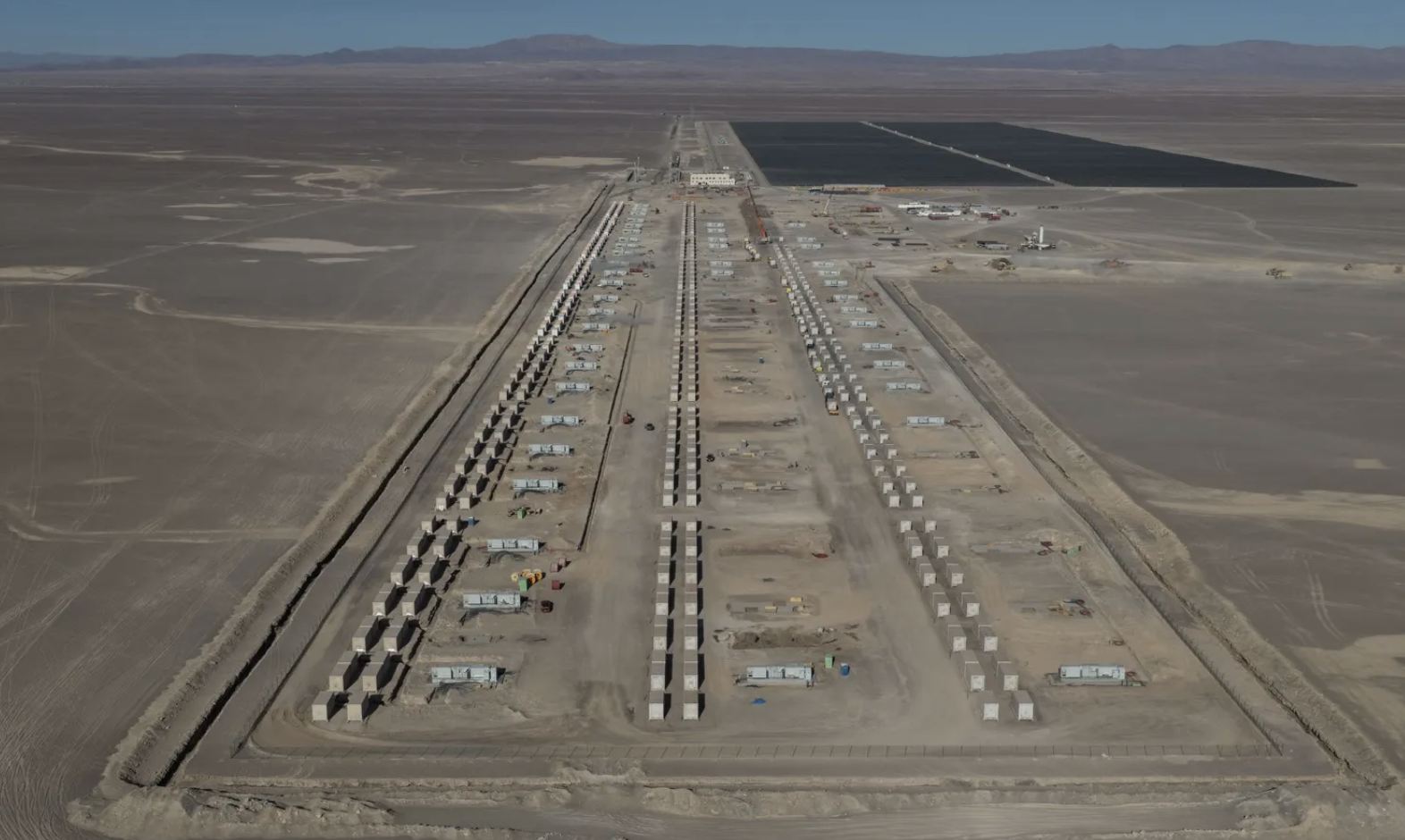
Latin America Energy Storage Forecast Jumps to 34 GW by 2035: Wood Mackenzie


Tarkowski strikes late to rescue point for Everton at Bournemouth
