Iceland's rejection of accession talks deals major blow to EU enlargement

Iceland's voters have delivered a narrow but decisive rejection of restarting European Union accession talks, a move that deals a setback to the bloc's efforts to expand membership during a period of rising geopolitical tensions.
With 52.8 percent voting against and 47.2 percent in favor, the referendum result shows that Icelanders remain unconvinced that the benefits of EU membership outweigh concerns about national sovereignty and economic control.
Although the vote did not directly decide on full EU membership, it effectively closes one of the most straightforward paths for enlargement. Iceland had already met many EU standards through its participation in the European Economic Area and the Schengen Zone, making it a prime candidate for membership.
The decision comes at a sensitive moment for the European Union. With enlargement stalled in Eastern Europe and geopolitical pressure growing in the Arctic, the bloc has been seeking to project strategic strength. The rejection by Icelandese voters complicates that narrative, especially as Brussels works to accelerate membership talks with Ukraine and Moldova while maintaining ties with Western Balkan nations.
The campaign leading up to the vote was dominated by domestic concerns rather than external pressures. Despite repeated remarks from former U.S. President Donald Trump about Greenland and the broader Arctic region, Icelandic voters remained more focused on issues closer to home.
Fisheries policy emerged as the dominant issue, with opponents of EU accession warning that joining would force Iceland to surrender control over its fishing industry under the bloc’s Common Fisheries Policy. Concerns over sovereignty and the impact on agriculture also played a strong role in shaping public opinion.
Prime Minister Kristrún Frostadóttir adopted a cautious stance during the campaign, describing the referendum as a chance for Icelanders to collectively decide their future. She acknowledged that without knowing the exact terms of accession, it was impossible to assess whether the benefits of membership would justify the loss of national control.
For the European Commission, the referendum result carries symbolic weight. The EU has been attempting to revive its enlargement strategy, particularly following Russia’s full-scale invasion of Ukraine in 2022. Including Iceland—a stable democracy already aligned with many EU rules—would have strengthened the narrative that membership remains attractive even to wealthy European nations.
Instead, the outcome reinforces perceptions that the EU’s expansion efforts face growing skepticism even among countries with strong historical and economic ties to the bloc. It echoes past rejections such as Norway’s two failed referendums on EU membership in 1972 and 1994, both driven largely by concerns over fisheries and national sovereignty.
Switzerland, which maintains deep economic ties with the EU without full membership, offers another parallel. Like Iceland, Swiss voters have consistently chosen economic integration over political union, prioritizing national decision-making.
While the referendum does not signal outright opposition to European cooperation, it underscores a broader trend: in an era of uncertainty, many citizens and nations are placing greater value on preserving autonomy over deeper integration.
This vote may serve as a reminder to EU leaders that, despite geopolitical challenges, public support for enlargement cannot be taken for granted—even among potential candidates already closely aligned with European norms.
#IcelandEUreferendum #EUenlargement #Icelandpolitics #Arcticstrategy #CommonFisheriesPolicy #KristrúnFrostadóttir #EuropeanUnion
Comments (0)
No comments yet — be the first to weigh in.

M50 flyover barriers not designed to stop head-on collisions, authorities say
Transport Infrastructure Ireland (TII) has clarified that safety barriers on the M50 flyover bridge are not engineered to prevent head-on collisions after a veh...
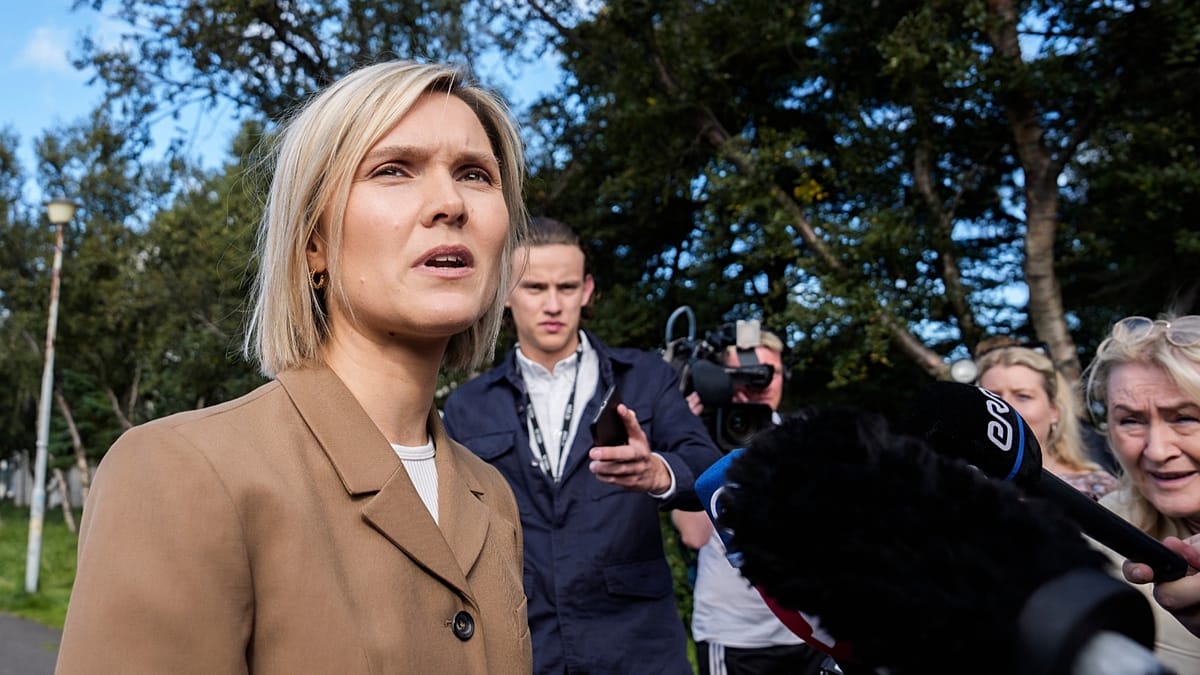
Iceland votes 'No' to reopening EU accession talks, official count confirms
Iceland voters reject EU accession talks in national referendum Iceland’s electorate has delivered a narrow but clear verdict against resuming negotiations to j...
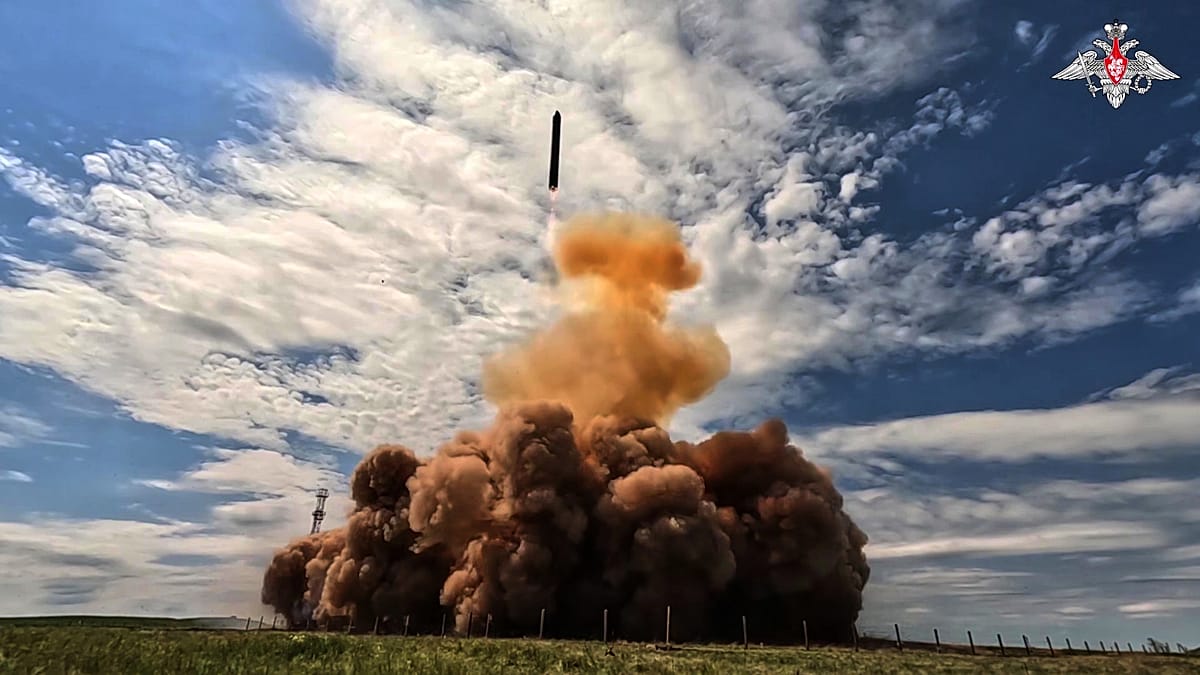
Russia threatens mass strikes on Ukraine energy sites as Kyiv depot death toll hits 38
Russia has raised the stakes in the ongoing war by threatening large-scale strikes on Ukraine’s energy infrastructure, escalating a cycle of retaliatory attacks...
Top European & Global News Roundup: Key Developments August 30, 2026
Stay updated on the latest European and global news, politics, business, and culture. Your concise midday briefing for August 30, 2026.


Woodstove Safety Monitor: Oru System Alerts Users to Temperature Fluctuations
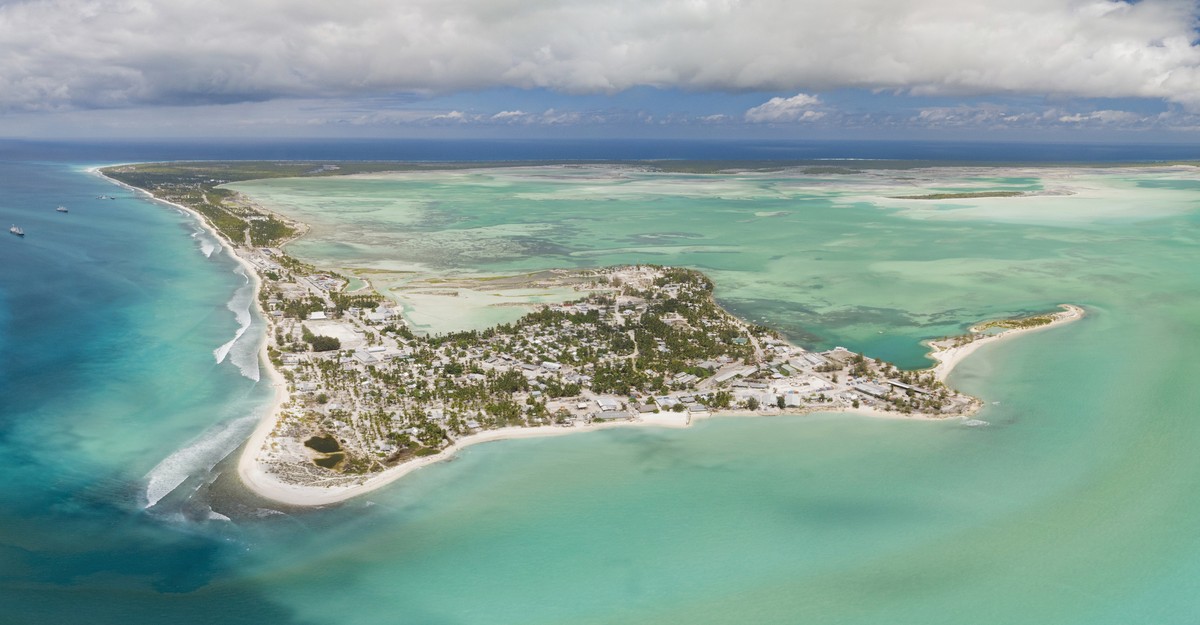
El Niño 2023: Unprecedented Ocean Warming Threatens Global Ecosystems

Nigerian Man Jailed 8 Years in US for Stealing $7.5M from Charities